
Box jellyfish look almost invisible in the water, but their venom can stop a human heart in the time it takes to swim a few strokes. Doctors warn that a single encounter can escalate from searing pain to cardiac arrest in minutes, leaving little margin for error. I see their message as blunt but necessary: if you swim in tropical seas, you need to treat these animals as a medical emergency waiting to happen, not a curiosity.
That urgency is backed by toxicology research showing that box jellyfish venom attacks the heart, nervous system, and skin all at once, overwhelming the body’s defences. In coastal regions that rely on tourism, from northern Australia to Hawaii, clinicians and lifeguards are racing to educate visitors before the next hot day turns into a resuscitation on the sand.
How a nearly invisible animal kills in minutes
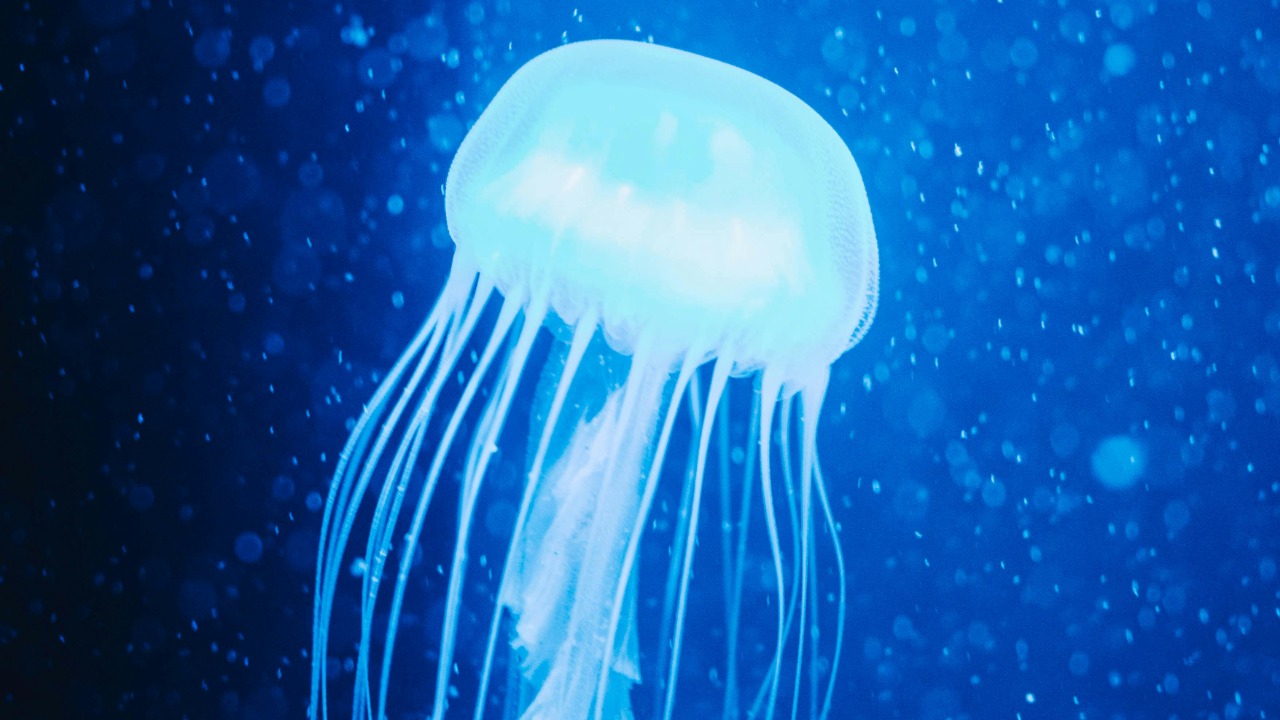
Box jellyfish are not just another stinging nuisance, they are among the most venomous marine animals on Earth. Some species, including the notorious Australian killer Chironex fleckeri, can inject enough toxin in a single brush of their Transparent bell and trailing Tentacles to trigger possible heart failure within minutes. Researchers at the University of Hawaiʻi’s Department of Tropical Medicine have shown that the venom can cause cells to become leaky and collapse, a mechanism that helps explain why victims can deteriorate so fast after a sting. In severe cases, cardiotoxicity leads to sudden cardiac arrest, and without rapid intervention, death can follow in as little as 2 to 5 minutes according to Stings data.
Part of what makes these animals so effective is their design. The bell is almost glass clear and cube shaped, equipped with 24 eyes that give a 360-degree view, while the tentacles are lined with millions of microscopic harpoons called nematocysts. When they fire, they deliver venom that can cause intense pain, skin irritation, and systemic poisoning that targets the heart and nervous system, a pattern described in toxicology reviews of Stings. It is this combination of stealth, speed, and biochemical precision that has led marine scientists to describe box jellyfish as among the most dangerous creatures in the sea.
Where the danger is greatest
The risk is not evenly spread across the world’s oceans. Box jellyfish are concentrated in warm, shallow coastal waters, particularly in the Indo Pacific region where they are Found in bays and estuaries used heavily by swimmers. In northern Australia, health authorities describe the Major box jellyfish as the most dangerous jellyfish in the region, and They warn that these animals are common in the far north of Austral waters during the warmer months. Historical accounts credit Hugo Flecker with first linking unexplained coastal deaths in Queensland to these animals, a reminder that the threat was killing people long before it was fully understood.
Elsewhere, the pattern is similar. In Hawaii, Researchers at the University of Hawai in the Department of Tropical Medicine have documented periodic influxes of box jellyfish into popular beaches such as Waikiki and Hanauma Bay, prompting closures until the numbers subside. Poison control specialists caution that changing ocean temperatures and currents are likely to shift these patterns over time, with one advisory noting that box jellyfish distributions may move as global climate and ocean patterns change, a warning captured in a Note on jellyfish envenomation.
What the venom does to the body
Clinically, a serious box jellyfish sting is a race between venom and resuscitation. Victims often describe instant, burning pain along the contact lines where tentacles touched the skin, followed by welts that can resemble whip marks. Toxicology reviews of Stings report that when tentacular contact covers more than half of one limb, millions of nematocysts can discharge, flooding the body with toxin. Dermatology specialists in Australia list a cascade of systemic symptoms in severe cases, including Difficulty breathing, a drop in blood pressure, Irritability and restlessness, Faintness and collapse, Cardiac arrhythmias and full Cardia arrest.
Cardiotoxicity is the primary killer. Emergency medicine guidance notes that the venom directly disrupts heart function, leading to abnormal rhythms and pump failure, a mechanism highlighted in training material that states the primary cause of death from a box jellyfish sting is cardiotoxicity, as outlined in The primary cause. A clinical review of outcomes describes how Severe stings can trigger cardiac arrest within minutes, while Outlook data suggest that Less severe exposures may cause prolonged pain, skin scarring, and lingering sensitivity as the immune system reacts to the poison. For survivors, the memory of that pain can be as lasting as the physical scars.
First aid: every second counts
Because the venom acts so quickly, the first few minutes after a sting are critical. Lifesaving training materials stress that Immediate First Aid Response When someone is stung by a box jellyfish, time is of the essence, and the first steps you take are critical to survival, a point underscored in an Immediate First Aid guide. The advice is consistent across emergency medicine: Help the person out of the water to prevent drowning, keep them as still as possible to slow venom spread, and Call local emergency services, whether that is 911 in the United States or another number elsewhere. If the person stops breathing or loses a pulse, bystanders are urged to start CPR immediately while waiting for paramedics.
On the beach, the priority is to stop further venom discharge. First aid protocols recommend that you Remove the victim from the water while calling for help, then Remove the tentacles without rubbing and Pour household vinegar liberally over the affected area for at least 30 seconds to deactivate unfired nematocysts, as described in Pour guidance. Wilderness medicine experts echo this, advising rescuers to Deactivate remaining stinging cells with 5 percent acetic acid or a commercial product such as Deactivate and Sting No More before considering hot pack application for pain relief. Regional resuscitation councils have formalised this advice, with one guideline titled Guideline 9.4.5 on marine envenomation spelling out Who the recommendations apply to and how long to irrigate, as detailed in a Who summary.
From antidotes to prevention
Behind the scenes, scientists are trying to blunt the threat at the molecular level. One research team has reported progress on an antidote targeting the venom of Chironex fleckeri, described as one of 51 k known species of box jellyfish whose toxin is among the world’s deadliest, a figure cited in work featuring Chironex and underwater imagery by Kelvin Aitken. Clinical summaries note that in a study of survivors, half had received vinegar treatment, and some were later given a box jellyfish sting antivenom in hospital, as described in a Use review. These therapies are not yet a guarantee, but they hint at a future where a sting is less likely to be a death sentence.
For now, prevention remains the most reliable defence. Public health campaigns in northern Australia remind swimmers that Major box jellyfish are a seasonal hazard and that stinger nets, protective clothing, and heeding beach closures can dramatically cut risk, advice summarised in Major safety guidance. Marine biologists point out that there are at least 50 species of box jellyfish, a group that includes shrimp and small fish predators, as noted in a There are overview, and that some are less dangerous than others. Yet coastal communities from the Indo Indo Pacific to Hawaii are treating the most venomous species as a public health priority, not a curiosity. Educational videos, including one widely shared clip explaining how a sting can cause a heart attack minutes after contact, have helped drive home that message, as seen in an Aug explainer and a related Box Jellyfish Can segment.