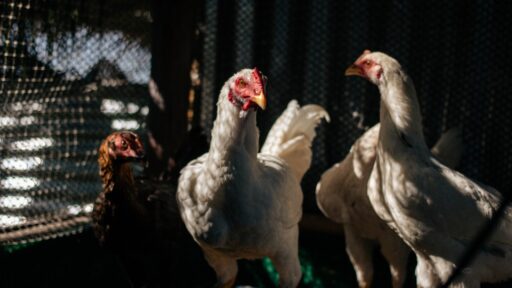
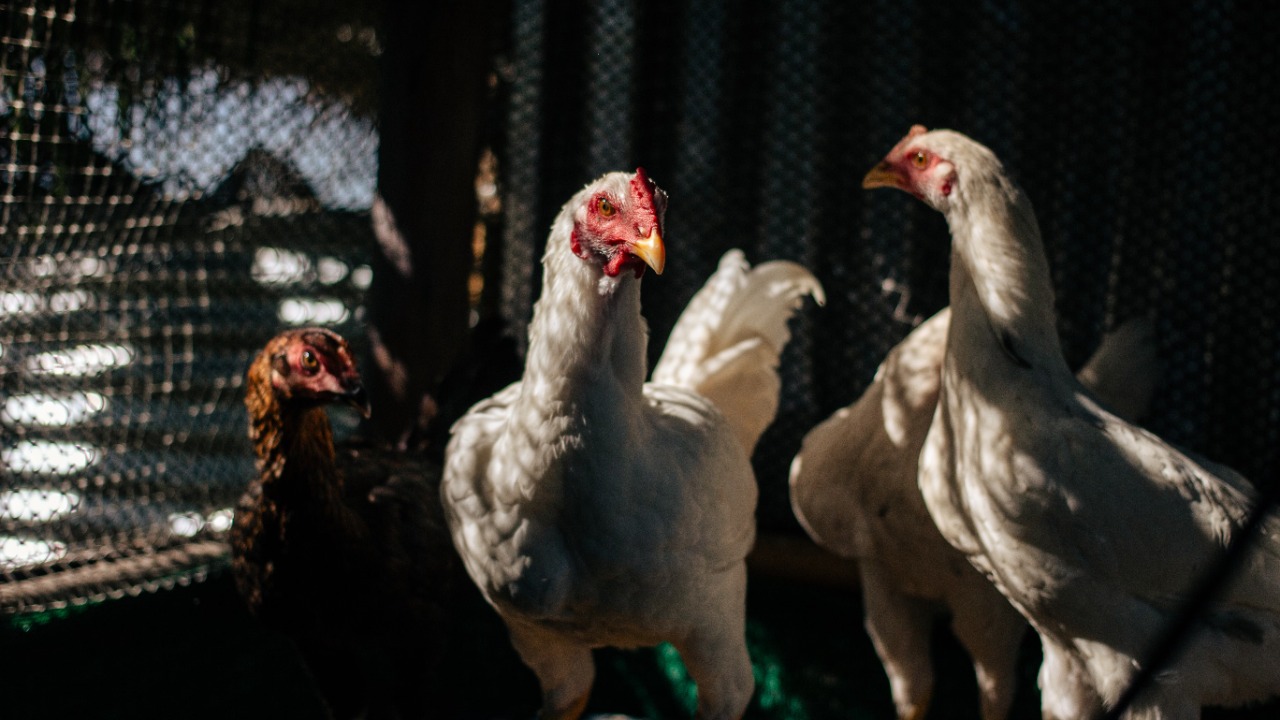

A nationwide Salmonella outbreak linked to backyard chickens, ducks and other poultry has sickened at least 513 people, hospitalized 134 and caused one death, according to the Centers for Disease Control and Prevention.
Cases have been identified across 42 states and Puerto Rico. More than one-quarter of the people who became ill are children younger than five, a group that faces a greater risk of developing a serious infection.
The outbreak is a reminder that apparently healthy backyard birds can carry and spread dangerous bacteria without showing any signs of illness.
Hundreds of People Have Been Infected
Public health officials are investigating three separate multistate Salmonella outbreaks connected to contact with backyard poultry.
The CDC’s latest update lists 513 confirmed illnesses and 134 hospitalizations. Among the 385 patients for whom hospitalization information was available, approximately 35% required hospital care. One death was reported in Washington state.
The number of illnesses is likely higher than the official total. Many people recover without medical treatment and are never tested for Salmonella, while it can take several weeks for a confirmed illness to be connected to an outbreak.
Readers can review the latest totals, investigation timeline and public-health advice on the CDC’s backyard poultry outbreak page.
Chickens Can Carry Salmonella While Looking Healthy
Backyard chickens, ducks, turkeys, geese and other birds can carry Salmonella bacteria in their intestines.
The bacteria can spread through droppings and contaminate feathers, feet, cages, coops, feed containers, water dishes, soil and other surfaces in areas where the birds live or roam.
A chicken does not need to appear dirty or sick to spread the bacteria. Birds carrying Salmonella may remain active, eat normally and look completely healthy.
People can become infected after touching a bird or a contaminated surface and then touching their mouth, eating or preparing food without first washing their hands. The CDC explains that infection can occur through contact with the birds’ environment even when a person does not directly handle a chicken.
Young Children Represent a Large Share of Cases
More than a quarter of the patients in the current outbreaks are younger than five.
Children may be more likely to touch birds, sit on the ground around a coop or place unwashed fingers in their mouths. They can also become seriously dehydrated more quickly if an infection causes prolonged diarrhea or vomiting.
The CDC recommends that children under five avoid touching chicks, ducklings and other backyard poultry. Adults should supervise older children closely and make sure they wash their hands immediately after leaving the poultry area.
Young children should not be allowed to kiss, cuddle or hold birds close to their faces. Although chicks and ducklings are often treated like pets, this type of close contact makes it easier for bacteria to reach the mouth.
One Outbreak Has Been Strongly Linked to Ducks
The largest of the three outbreaks has an unusually high number of patients who reported contact with ducks, according to the CDC.
Ducks can carry Salmonella in the same way as chickens. Their water containers and wet living environments may also become heavily contaminated because the birds frequently splash, drink and defecate in the same areas.
A clean-looking duckling should not be assumed to be free of bacteria. Salmonella cannot be identified by looking at or handling a bird.
The CDC’s map of reported outbreak cases shows how widely the illnesses have been distributed across the United States.
Some Infections May Be Harder to Treat
Early testing connected part of the outbreak to Salmonella Saintpaul strains with predicted resistance to certain antibiotics.
Most people with Salmonella recover without antibiotics, but medication may be needed when an infection becomes severe or spreads beyond the intestines. Antibiotic resistance can limit treatment choices and make certain cases more difficult to manage.
Public-health laboratories use whole-genome sequencing to compare bacteria collected from sick people. Closely related genetic patterns can help investigators determine whether geographically separated illnesses belong to the same outbreak.
The initial April investigation involved 34 patients in 13 states, including 13 hospitalizations. Testing later connected hundreds of additional illnesses involving Salmonella Saintpaul, Enteritidis and Mbandaka to backyard poultry exposure.
Symptoms Usually Begin Within Several Days
Salmonella commonly causes diarrhea, fever and stomach cramps.
Symptoms may begin between six hours and six days after a person swallows the bacteria. Most illnesses last approximately four to seven days, and many patients recover without specific treatment.
Some people may develop vomiting, nausea, headaches or signs of dehydration. Severe infections can spread from the intestines into the bloodstream or other parts of the body.
Medical attention may be needed when diarrhea or vomiting is severe, symptoms continue for several days, a fever becomes unusually high or the patient shows signs of dehydration.
Warning signs can include producing very little urine, having a dry mouth, feeling dizzy when standing or crying without tears.
Babies, young children, adults aged 65 or older and people with weakened immune systems have a higher risk of severe illness.
Handwashing Is the Most Important Protection
Anyone who handles backyard poultry should wash their hands thoroughly with soap and running water immediately afterward.
Hands should also be washed after touching eggs, feed, bedding, equipment, fences or anything else located in the poultry area.
Hand sanitizer can be used temporarily when soap and water are unavailable, but proper handwashing should follow as soon as possible.
Poultry supplies should remain outside the home. Feed containers, cages, water dishes and tools should not be cleaned in kitchen sinks, bathtubs or areas used for preparing food.
Shoes worn inside a chicken coop should not be worn through the home. Keeping dedicated footwear near the coop can reduce the likelihood of tracking contaminated material indoors.
Detailed prevention guidance is available through the CDC’s information on Salmonella and backyard poultry.
Do Not Kiss or Cuddle Backyard Birds
Many backyard chickens and ducks are treated as household pets, but close contact increases the risk of swallowing Salmonella germs.
Owners should avoid kissing birds, touching them to their faces or eating and drinking around the flock. Birds should not be brought inside homes, particularly into kitchens, dining areas, bedrooms or bathrooms.
Children may need repeated reminders because young chicks and ducklings naturally attract touching and cuddling.
People should also avoid placing poultry on outdoor tables or furniture used for eating. Bacteria can remain on a surface even after the bird has been removed.
Eggs Must Be Collected and Handled Safely
Eggs from backyard chickens can become contaminated by droppings, dirty nesting material or contact with bacteria on the bird’s body.
Owners should collect eggs frequently so they do not remain in nests where they may become dirty or damaged. Cracked eggs should be discarded because bacteria can enter through breaks in the shell.
Dirt should be removed carefully with fine sandpaper, a brush or a clean cloth. Washing eggs in cool water can draw bacteria through the shell, while improper washing may spread contamination across the surface.
Eggs should be refrigerated after collection and cooked until the yolks and whites are firm. Foods containing backyard eggs should reach a safe internal temperature, particularly when they will be eaten by children, older adults or people with weakened immunity.
Hands, utensils and work surfaces should be washed after handling raw eggs.
Hatcheries and Stores Also Have Responsibilities
People commonly purchase chicks and ducklings from agricultural stores, websites and mail-order hatcheries.
Businesses selling live poultry should source birds from hatcheries that participate in Salmonella-control programs. They should also provide customers with clear information about handwashing and the risks of close contact.
Poultry displays should be positioned where young children cannot easily reach into them. Employees should clean surrounding areas carefully and provide handwashing or sanitizer stations near bird displays.
However, participation in a poultry-monitoring program cannot guarantee that every bird is Salmonella-free. Owners must continue using safe handling practices after bringing birds home.
The Outbreak Is Not a Reason to Abandon Healthy Flocks
The CDC is not advising every backyard poultry owner to destroy or surrender their birds.
Instead, families should recognize that all poultry must be treated as potential carriers of Salmonella. Owners should create a clear separation between poultry areas and household living spaces and follow consistent hygiene practices.
Testing an individual bird is not necessarily a practical solution because birds may shed bacteria intermittently. A negative result on one day does not guarantee that the bird will never carry or spread Salmonella.
The safest approach is to assume that every chicken, duck or turkey could carry harmful bacteria and behave accordingly.
People With Symptoms Should Mention Poultry Contact
Anyone who develops symptoms after handling backyard birds should tell a healthcare provider about the exposure.
This detail may help the provider decide whether testing is appropriate and can assist health departments in identifying additional outbreak cases.
Patients should also avoid preparing food for other people while experiencing diarrhea. Careful handwashing is essential because Salmonella can spread from an infected person to food, surfaces or other members of a household.
The current total of 513 illnesses demonstrates that backyard poultry outbreaks can grow rapidly and affect families across most of the country. Chickens and ducks may look clean and healthy, but owners should never assume that affectionate or familiar birds are free of germs.