
The United Kingdom is preparing for another period of extreme heat as authorities consider stricter water restrictions, including possible limits on activities such as car washing and filling swimming pools.
The potential measures highlight the growing pressure placed on water supplies during prolonged hot weather.
As temperatures rise, household demand increases while rainfall levels remain lower in some regions.
Water companies must carefully manage available resources to ensure essential supplies remain available for homes, hospitals, and businesses.
The situation also reflects a wider challenge facing many countries as climate patterns create more frequent periods of extreme heat and drought conditions.
Why Heatwaves Increase Pressure on Water Supplies
During hot weather, water consumption typically rises.
People use more water for cooling, gardening, outdoor activities, and personal needs.
At the same time, extended periods of high temperatures can reduce natural water availability through increased evaporation and lower rainfall.
This creates a difficult balance for water providers.
They must maintain reliable supplies while preventing reservoirs and groundwater sources from becoming severely depleted.
The UK Environment Agency monitors water resources and manages risks associated with drought conditions and environmental pressures.
Why Non-Essential Water Use May Be Restricted
When water supplies become stressed, authorities often focus restrictions on activities considered less essential.
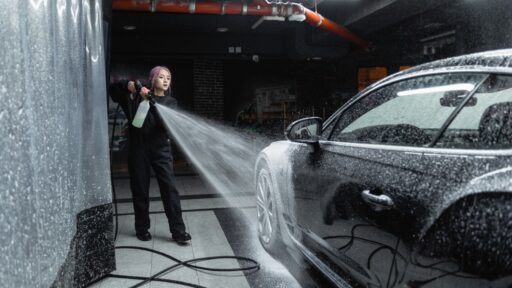
Car washing and swimming pools are examples of uses that can consume significant amounts of water but are not necessary for daily living.
Restrictions may include:
Temporary hosepipe bans.
Limits on outdoor watering.
Controls on commercial water use.
Reduced use of recreational water facilities.
The purpose of these measures is not to eliminate water use but to reduce unnecessary demand during periods when supplies are under pressure.
How Hosepipe Bans Work
A hosepipe ban is one of the most common water-saving measures used during drought conditions.
Depending on the rules introduced, restrictions may prevent people from using hosepipes for activities such as:
Washing private vehicles.
Watering gardens.
Cleaning outdoor areas.
Filling decorative ponds or pools.
However, exemptions can apply in certain situations, including some commercial activities or specific health and safety requirements.
Water companies introduce these restrictions based on local conditions rather than applying them equally across the entire country.
Why the UK Is Experiencing More Heatwave Pressure
The UK has historically experienced a mild climate with relatively moderate temperatures.
However, recent years have seen more frequent periods of extreme heat.
The Met Office tracks UK climate trends and has highlighted the increasing importance of preparing for extreme weather events.
Higher temperatures affect more than comfort.
They influence:
Water demand.
Agriculture.
Energy consumption.
Transport systems.
Public health.
Infrastructure planning.
Climate Change and Changing Weather Patterns
Scientists have linked rising global temperatures with an increased likelihood of more intense heat events.
A warmer atmosphere can influence rainfall patterns and increase the frequency of extreme weather conditions.
The Intergovernmental Panel on Climate Change (IPCC) has reported that climate change is increasing risks associated with heat extremes and water availability in many regions.
For countries like the UK, adaptation is becoming a larger part of climate planning.
Water systems designed around historical weather patterns must now prepare for more unpredictable conditions.
The Impact on Agriculture and Food Production
Farmers are among those most affected by prolonged hot and dry conditions.
Agriculture depends heavily on reliable water availability.
Heatwaves can affect:
Crop growth.
Livestock health.
Soil moisture.
Harvest quality.
Increased irrigation demand can also place additional pressure on local water resources.
The challenge is managing water needs across different sectors while protecting essential supplies.
Swimming Pools and Recreational Water Use
Swimming pools often become more popular during periods of extreme heat as people look for ways to cool down.
However, filling and maintaining pools can require significant amounts of water.
During drought conditions, authorities may encourage people to avoid filling new pools or topping up existing ones unnecessarily.
The issue is not individual pool ownership alone.
The concern is the combined effect when thousands of households increase water use at the same time.
How Households Can Reduce Water Demand
Individual actions can help reduce pressure on water systems during heatwaves.
Simple changes include:
Taking shorter showers.
Repairing leaks.
Using water-efficient appliances.
Avoiding unnecessary outdoor watering.
Collecting rainwater where permitted.
Small reductions across many households can create a large overall impact.
Water conservation becomes especially important during peak demand periods.
Businesses May Also Need to Adapt
Water restrictions can affect businesses that rely on regular water use.
Examples include:
Vehicle cleaning services.
Landscaping companies.
Outdoor leisure facilities.
Industrial operations.
Businesses may need to adjust operations, improve efficiency, or use alternative methods during periods of restriction.
Long-term water management is becoming increasingly important for industries that depend on reliable supplies.
Why Water Management Is Becoming a Bigger Issue
Historically, many discussions about climate change focused mainly on temperature increases.
However, water availability is becoming one of the most important challenges.
A warmer climate affects the entire water cycle.
It can influence:
Rainfall timing.
Reservoir levels.
Groundwater supplies.
Agricultural demand.
Urban consumption.
Modern water management requires planning for both floods and droughts.
Technology and Future Water Solutions
Water companies are investing in technologies designed to improve efficiency.
These include:
Leak detection systems.
Smart meters.
Infrastructure upgrades.
Improved storage capacity.
Better demand forecasting.
The goal is reducing waste while ensuring reliable supplies.
The Ofwat regulates water companies in England and Wales and oversees improvements in service quality, efficiency, and investment.
The Challenge of Balancing Comfort and Conservation
Extreme heat creates a difficult situation.
People need water to stay healthy and comfortable.
Businesses depend on water for operations.
Communities want access to recreational activities.
At the same time, water resources must be protected.
Effective water management requires cooperation between authorities, companies, and the public.
The Bigger Lesson From Another UK Heatwave
The possibility of restrictions on car washes and swimming pools shows how extreme weather can affect everyday life.
A heatwave is not only a temperature event.
It can influence how societies manage essential resources.
As climate conditions continue changing, water conservation may become a more regular part of life rather than an occasional emergency response.
Final Thoughts
The UK’s sixth heatwave of the year is putting renewed attention on water management and drought preparation.
Potential restrictions on activities such as car washing and swimming pool use demonstrate how authorities respond when demand rises faster than supplies can recover.
The long-term challenge is building water systems that can handle a changing climate.
Heatwaves may be temporary, but the need for smarter water management will continue growing.