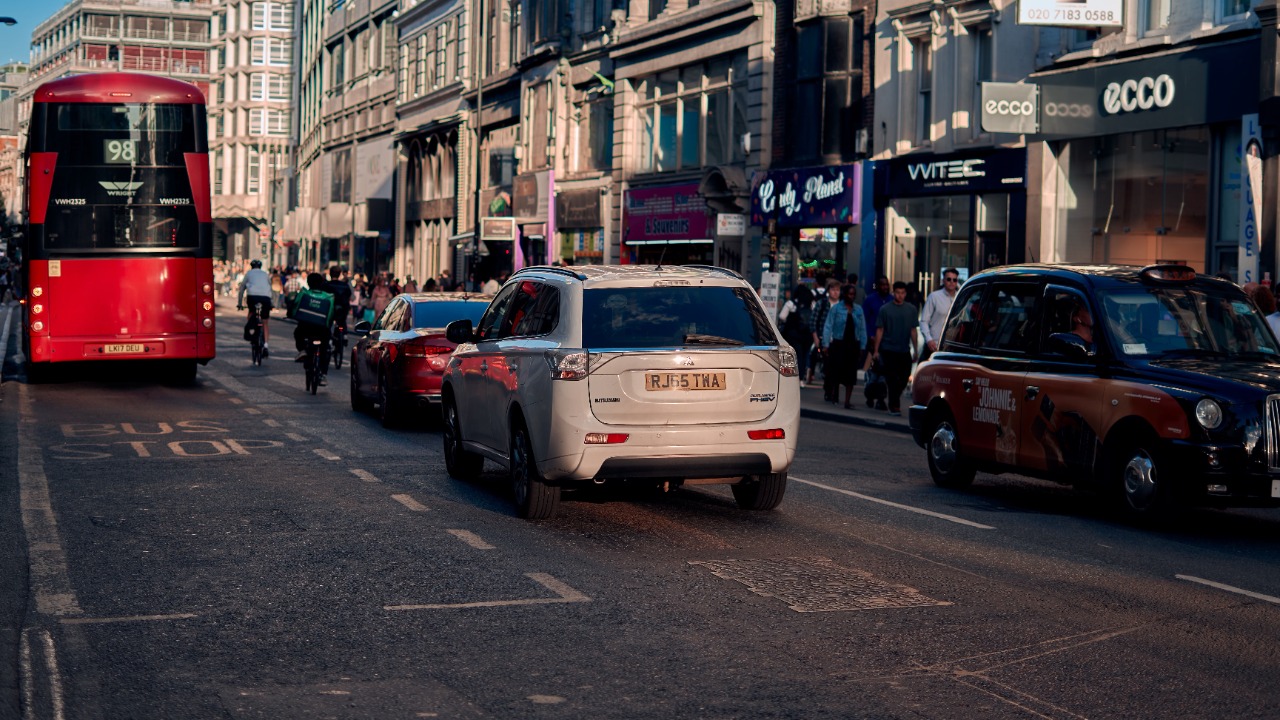

The race to bring autonomous vehicles onto city streets is entering a new phase as Lyft and Baidu begin testing robotaxi technology in London.
The partnership represents another step toward a future where passengers can travel without a human driver behind the wheel.
For years, self-driving cars have moved from research laboratories into controlled testing environments. Now, technology companies are increasingly focusing on real-world urban conditions, where vehicles must handle unpredictable traffic, pedestrians, cyclists, road construction, and complex driving decisions.
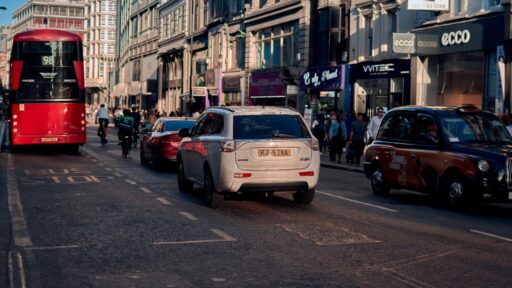
London provides a challenging environment for autonomous driving technology.
Its narrow streets, busy intersections, changing weather conditions, and mixed traffic patterns make it one of the more demanding cities for robotaxi testing.
Why London Is Important for Robotaxi Development
Cities are the ultimate test for autonomous vehicles.
Highways are relatively predictable.
Urban environments are not.
A robotaxi operating in London must understand:
Heavy traffic.
Pedestrian crossings.
Cyclists.
Buses.
Emergency vehicles.
Complex road layouts.
Changing weather conditions.
These challenges make urban testing valuable because companies can identify weaknesses that may not appear in controlled environments.
The UK Department for Transport has been developing frameworks for automated vehicle technology, recognizing that autonomous systems could influence the future of transportation.
London’s global reputation and complex road environment make it an attractive location for companies seeking to prove their technology.
The Partnership Between Lyft and Baidu
Lyft has experience as a global ride-hailing platform, while Baidu has developed significant expertise in autonomous driving through its Apollo program.
The partnership combines two different strengths.
Lyft provides experience in connecting passengers with transportation services.
Baidu contributes autonomous driving technology, vehicle systems, and testing experience.
The collaboration reflects a broader trend in the industry.
Robotaxi companies increasingly need more than self-driving software.
They need:
Vehicle technology.
Regulatory approval.
Transportation networks.
Passenger platforms.
Operational support.
The Baidu Apollo autonomous driving platform has been one of the company’s major investments in developing autonomous mobility solutions.
How Robotaxis Work
Robotaxis use a combination of technologies to operate without traditional driver control.
These systems typically rely on:
Cameras.
Radar sensors.
LiDAR technology.
Artificial intelligence models.
High-definition maps.
Real-time decision systems.
The vehicle continuously analyzes its surroundings and makes driving decisions based on detected objects and road conditions.
For example, the system must determine:
When to slow down.
When to change lanes.
Whether a pedestrian is about to cross.
How to respond to unexpected obstacles.
The challenge is not simply seeing the environment.
The challenge is understanding it.
Why Autonomous Driving Is Difficult in Real Cities
Driving appears simple because humans perform it every day.
But human drivers constantly make thousands of small decisions.
A driver may predict that a pedestrian will cross before they move.
They may understand that another vehicle is likely to merge aggressively.
They may adjust behavior because of road conditions.
Teaching machines to make similar judgments has proven extremely difficult.
Artificial intelligence has improved significantly, but edge cases remain one of the biggest challenges.
An autonomous vehicle may perform perfectly thousands of times.
The difficult question is whether it can handle the one unusual situation it encounters.
Safety Is the Biggest Concern
The success of robotaxis depends heavily on public trust.
Passengers must believe autonomous vehicles are safe before widespread adoption can occur.
Companies developing self-driving systems invest heavily in:
Testing.
Simulation.
Safety monitoring.
Vehicle redundancy.
Software improvements.
Regulators also require evidence that autonomous vehicles can operate safely before allowing broader deployment.
The UK Centre for Connected and Autonomous Vehicles supports the development of connected and automated vehicle technologies while considering safety and regulatory requirements.
How Robotaxis Could Change Urban Transportation
If robotaxis become widely available, they could transform how people move around cities.
Potential benefits include:
Reduced transportation costs.
Improved accessibility.
More efficient vehicle use.
Lower dependence on private car ownership.
For people who cannot drive, including some elderly or disabled passengers, autonomous taxis could provide greater independence.
Robotaxis could also reduce the need for parking spaces if fewer people own personal vehicles.
However, the impact depends on how cities integrate the technology.
The Business Model Behind Robotaxis
Traditional taxi services depend heavily on human drivers.
Driver wages represent a significant operating cost.
Robotaxi companies believe autonomous technology could eventually reduce those expenses and make ride services more scalable.
However, the transition is expensive.
Companies must invest in:
Vehicle development.
Software systems.
Testing operations.
Maintenance.
Insurance.
Infrastructure.
The technology may eventually reduce costs, but reaching that point requires significant investment.
London’s Regulatory Environment Will Be Critical
Technology alone cannot determine whether robotaxis succeed.
Government policy plays a major role.
Authorities must decide:
Where autonomous vehicles can operate.
How safety is measured.
Who is responsible during incidents.
How data is managed.
How passengers are protected.
The UK’s evolving automated vehicle legislation aims to create a framework for safely introducing autonomous technology.
Clear regulations are important because companies need certainty before investing heavily.
Competition in the Global Robotaxi Market Is Increasing
Lyft and Baidu are not the only companies pursuing autonomous taxi services.
The global competition includes:
Waymo.
Tesla.
Zoox.
Cruise.
Mobileye.
Traditional automakers.
Technology companies.
Each company is taking a different approach to solving autonomous driving challenges.
Some focus on fully driverless systems.
Others develop advanced driver-assistance technologies before moving toward complete autonomy.
The industry is still determining which strategy will succeed.
What Robotaxis Mean for Traditional Car Companies
Autonomous vehicles could change the automotive industry beyond transportation services.
If fewer people own cars, vehicle demand patterns could change.
Automakers may focus more on fleet partnerships rather than only individual buyers.
Software could become as important as mechanical engineering.
Vehicles may become platforms for digital services rather than simply transportation machines.
This shift could reshape competition between traditional automakers and technology companies.
Challenges That Robotaxis Still Need to Solve
Despite rapid progress, several challenges remain.
Public acceptance.
Regulatory approval.
Technical reliability.
Cost.
Insurance responsibility.
Extreme weather performance.
Urban complexity.
A robotaxi must succeed not only in ideal conditions but also during rain, road closures, construction, and unexpected events.
The technology must prove reliability over millions of miles before becoming a normal part of daily transportation.
The Future of Robotaxis May Arrive Gradually
The introduction of robotaxis in London does not mean human-driven taxis will disappear immediately.
The transition will likely happen gradually.
Early services may operate in limited areas.
Human supervision may remain part of operations.
Expansion may depend on safety performance and public acceptance.
Like many major transportation changes, autonomous vehicles will likely develop step by step.
Final Thoughts
Lyft and Baidu’s robotaxi testing in London represents another milestone in the development of autonomous transportation.
The technology has moved beyond demonstrations and into real-world environments where success depends on safety, reliability, and public trust.
London’s complex streets provide a demanding test, but that challenge is exactly what makes the city valuable for autonomous vehicle development.
The future of transportation may not arrive as a sudden replacement of traditional cars and taxis.
Instead, it may emerge through gradual improvements until autonomous vehicles become a normal part of urban life.
The robotaxi era is still developing, but the road toward driverless transportation is becoming increasingly visible.