
Typhoon Dolphin has brought air travel to a halt across parts of Okinawa as powerful winds and heavy rain sweep through southern Japan, closing a major airport, grounding flights and disrupting transportation across the region.
The storm moved across Japan’s remote southern islands with sustained winds reported at around 144 kilometers per hour, or 90 mph, as authorities warned residents about strong winds, flooding and landslide risks. Okinawa’s location directly in the path of western Pacific tropical systems makes the prefecture familiar with typhoons, but Dolphin’s strength was enough to bring everyday transportation to a standstill.
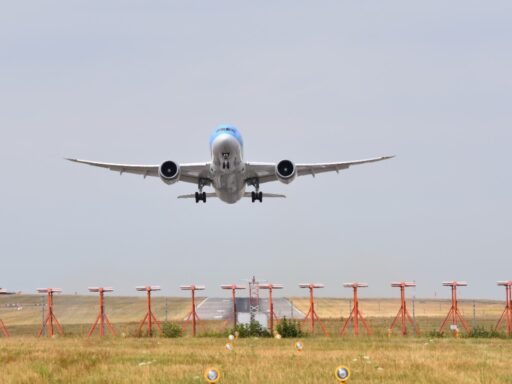
Naha Airport, the primary aviation gateway serving Okinawa’s main island, was closed as the storm approached, while airlines cancelled hundreds of flights affecting travelers throughout Japan and the wider region. Recent reporting from Al Jazeera said at least five elderly people suffered non-life-threatening injuries as Dolphin affected southern Japan.
The airport shutdown demonstrates why even a region accustomed to tropical cyclones cannot treat a powerful typhoon as simply another rainy day.
Naha Airport Became One of the Storm’s Biggest Transportation Casualties
Closing a major airport is not a minor decision.
Naha Airport serves as the principal aviation hub connecting Okinawa with mainland Japan and international destinations. When operations stop there, the effects extend far beyond passengers currently standing inside the terminal.
Aircraft scheduled to arrive cannot reach Okinawa. Departing aircraft remain grounded. Crews and planes may end up in the wrong cities for their next scheduled flights, creating disruption that can continue even after the weather improves.
Reports indicated that the airport closure grounded all flights in and out as Typhoon Dolphin moved through the region.
That explains why tropical cyclones can disrupt aviation longer than their strongest winds remain over an airport.
Restarting a major flight schedule is not as simple as reopening the runway.
Airlines need aircraft, pilots, cabin crews and ground personnel in the correct places. Passengers from cancelled flights need to be rebooked while normally scheduled passengers continue arriving.
One storm can therefore create a transportation backlog extending well beyond the immediate weather event.
Hundreds of Flights Were Affected
The disruption spread across Japanese aviation as airlines adjusted schedules ahead of dangerous conditions.
Reports put the number of cancelled flights at roughly 500 as the storm affected Okinawa, with major Japanese carriers grounding services connected to the region.
Why cancel flights before the worst weather actually reaches the runway?
Commercial aircraft are designed to operate through many difficult weather conditions, but typhoons create problems extending far beyond what happens once an aircraft is airborne.
Extreme crosswinds can make takeoffs and landings unsafe. Torrential rain can reduce visibility. Lightning and rapidly changing conditions can complicate airport operations.
Ground handling creates another risk.
Baggage workers, refueling teams, catering vehicles, boarding equipment and maintenance personnel cannot safely continue normal operations while destructive winds move through an exposed airport.
A plane might theoretically tolerate conditions that airport workers cannot.
Closing operations can therefore become the safest option before conditions reach their absolute worst.
Okinawa Faced More Than an Aviation Problem
Typhoon Dolphin’s effects were not limited to airports.
Power outages affected thousands of properties as strong winds moved across Okinawa, while injuries were reported as people struggled with the weather. By August 8, Japanese reporting indicated that violent-wind warnings for Okinawa’s main island and the Miyako region had been lifted and replaced with strong-wind advisories as conditions began changing.
That does not mean the danger disappears immediately.
Heavy rainfall can remain hazardous even after the strongest winds move away.
Waterlogged hillsides can become unstable, increasing the possibility of landslides. Low-lying roads can flood. Fallen trees and damaged power infrastructure can make transportation dangerous.
Japan’s experience with typhoons has therefore created extensive disaster-management systems covering transportation, evacuation, power infrastructure and public warnings.
Okinawa’s own tourism crisis-management planning recognizes that severe weather can simultaneously trigger flight cancellations, airport terminal closures, road restrictions, suspended sea transportation and interruptions to public transit. (pref.okinawa.jp)
A typhoon is not simply a weather problem.
It becomes an infrastructure problem.
Why Okinawa Is So Exposed to Typhoons
Okinawa sits in an unfortunate geographical position.
The island chain stretches across the subtropical western Pacific between mainland Japan and Taiwan, placing it near routes frequently followed by tropical cyclones developing over warm ocean waters.
Some storms pass at a distance.
Others approach directly.
Historical records from Okinawa Prefecture show repeated typhoon approaches involving Okinawa, Miyako, Ishigaki, Iriomote and other islands. (pref.okinawa.jp)
That repeated exposure has shaped everything from construction standards to emergency procedures.
Buildings often incorporate storm-resistant features. Residents understand the importance of securing outdoor objects. Airlines begin adjusting schedules well before dangerous winds arrive.
Yet familiarity does not eliminate risk.
A particularly strong storm can still overwhelm transportation systems and create dangerous conditions.
Dolphin Had Already Demonstrated Considerable Power
Typhoon Dolphin was not a weak tropical system arriving unexpectedly.
Earlier in its development, the storm had intensified substantially over the western Pacific.
Tracking information reported while Dolphin was still approaching Okinawa showed maximum sustained winds considerably stronger than those experienced later as the storm neared the islands.
Tropical cyclones can strengthen and weaken dramatically as they travel.
Sea-surface temperatures, atmospheric moisture, wind shear and internal structural changes can all influence intensity.
That makes forecasting especially important.
A storm expected to weaken can remain dangerous, while a cyclone encountering favorable conditions can intensify rapidly.
For Okinawa, even a weakening typhoon can remain powerful enough to cancel flights, damage infrastructure and make outdoor movement unsafe.
China Became the Next Concern
After affecting Japan, Dolphin continued generally westward, shifting attention toward China.
Al Jazeera reported that the storm was expected to continue toward China’s eastern coastline after passing through southern Japan.
That creates another characteristic of western Pacific typhoons: their effects can cross multiple countries within days.
A cyclone may disrupt Japanese flights, affect shipping around Taiwan and then force coastal preparations in China.
Regional airlines and shipping companies therefore monitor the entire storm track rather than simply the conditions at one location.
Taiwan had already experienced transportation disruption ahead of Dolphin, with airlines and maritime operators announcing service changes as the system approached the broader region.
The economic consequences can therefore spread much farther than the storm’s physical wind field.
Airports Cannot Immediately Return to Normal
When Dolphin moves away, passengers may naturally expect flights to resume quickly.
Some will.
Others may not.
Airport operators first need to ensure facilities remain safe. Airlines then have to reposition aircraft and crews while working through large numbers of stranded passengers.
Weather elsewhere along the aircraft’s route can also remain problematic.
This creates the familiar post-typhoon situation where skies may appear relatively calm while departure boards continue showing delays and cancellations.
Japan has experienced similar problems during previous major typhoons. Government aviation documents show that past storms have produced hundreds of cancellations per day across affected airports even when physical airport damage remained relatively limited. (mlit.go.jp)
The operational disruption itself can be enormous.
Dolphin Shows Why Typhoon Preparedness Matters
Okinawa has lived with tropical cyclones for generations.
Its residents, authorities, airport operators and businesses understand the threat better than most regions.
Yet Typhoon Dolphin still managed to close a major airport, ground hundreds of flights, interrupt electricity and injure residents.
That is precisely why preparedness matters.
A successful response to a typhoon is not measured by whether transportation continues normally. Sometimes shutting down transportation is the successful response.
Airports close because keeping them open would create unnecessary risk. Airlines cancel flights because forcing schedules through dangerous conditions can make the situation worse. Residents are warned to remain indoors because even ordinary objects can become hazardous in violent winds.
As Dolphin moves away from southern Japan, attention will turn toward restoring transportation and assessing damage while locations farther along its path prepare for what comes next.
For travelers, the most visible sign of the storm may be a cancelled flight.
For Okinawa, the airport closure represents something larger: an entire island region temporarily reducing movement because, sometimes, the safest way to confront a powerful typhoon is simply to stop.