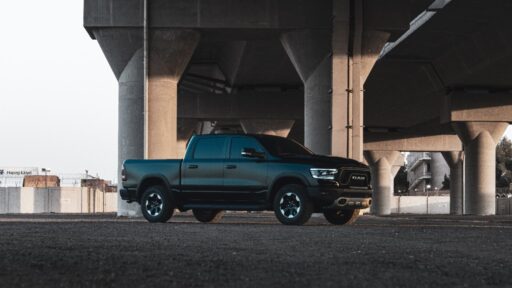
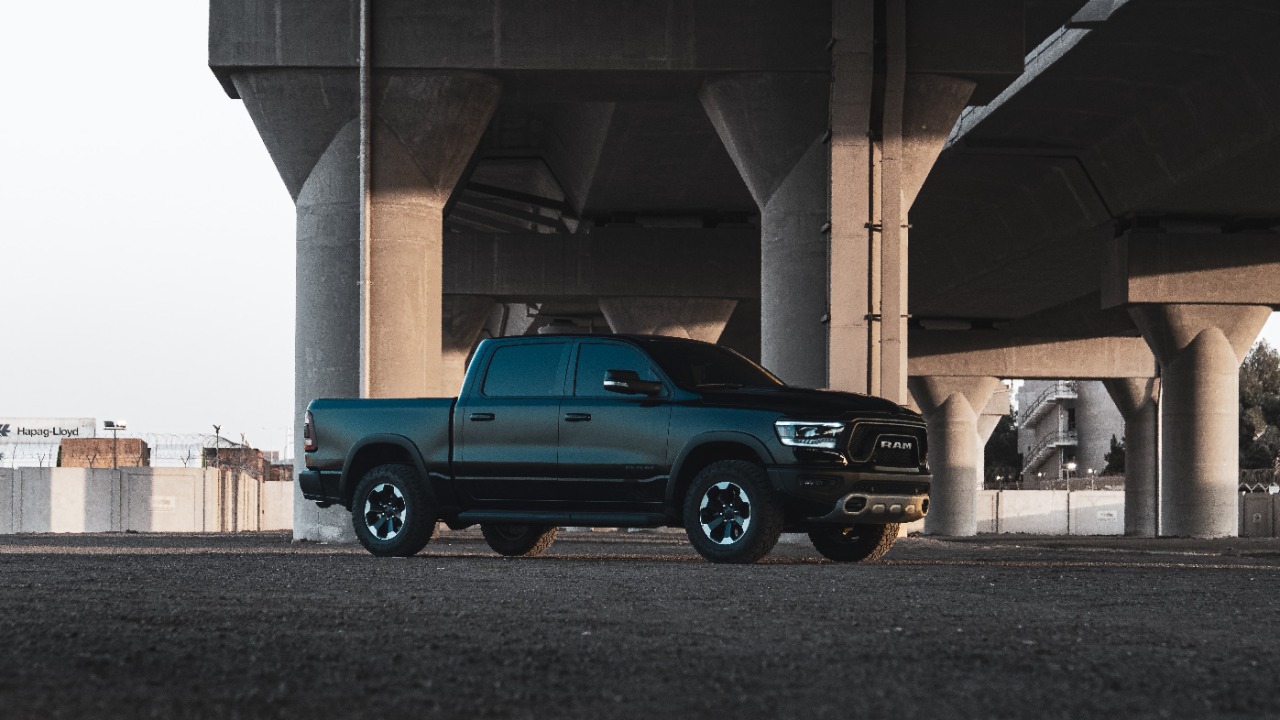

Ram is recalling approximately 1.27 million 1500 pickup trucks in the United States because certain rear-seat belt buckle anchors may not have been properly attached to the vehicle’s body structure. The potentially serious manufacturing problem affects selected trucks from the 2019 through 2026 model years.
The recall expands to more than 1.5 million trucks worldwide when vehicles sold in Canada, Mexico and other international markets are included. Although the defect involves only specific second-row seating positions, an improperly secured anchor may prevent a seatbelt from restraining an occupant correctly during a collision.
Which Ram 1500 Trucks Are Included?
The US recall covers an estimated 1,271,294 Ram 1500 pickups manufactured across the 2019–2026 model years. It does not necessarily include every Ram 1500 produced during that period, so the model year alone cannot confirm whether a particular truck requires repair.
Outside the United States, the campaign affects approximately 156,138 vehicles in Canada, 15,088 in Mexico and 74,084 in other international markets. Combined, the recall population exceeds 1.5 million vehicles globally, making it one of Ram’s largest recent safety actions.
Owners should verify an individual truck using its 17-character vehicle identification number. The VIN can be entered into the official Mopar recall lookup, which identifies outstanding safety campaigns associated with a specific Stellantis vehicle. The NHTSA recall search provides an additional official method for checking open recalls in the United States.
What Is Wrong With the Rear Seatbelts?
The problem concerns the seatbelt buckle anchor for the second-row center seat, the second-row driver-side seat or potentially both positions. Ram says the anchor may not have been correctly attached to the truck’s body structure during assembly.
A seatbelt system depends on several securely mounted components working together. The webbing passes around the occupant, the latch plate connects to the buckle and the buckle assembly is anchored to a structural part of the vehicle. When the anchor is properly installed, crash forces can be transferred through the restraint system and into the vehicle structure.
If that attachment is incomplete or missing, the buckle may move or separate when subjected to the forces of a collision. An occupant could therefore lose some or all of the protection normally provided by the seatbelt, increasing the possibility of injury. The condition may also cause affected vehicles to fail federal motor vehicle safety requirements.
The recall is important even though the truck may appear to operate normally. A loose or incorrectly attached anchor may not affect steering, braking, engine performance or dashboard functions. The defect could remain unnoticed until the restraint system is placed under heavy load during a crash.
Ram Is Aware of One Potentially Related Injury
Stellantis has reported one injury that may be connected with the seatbelt anchor problem. No fatalities have been associated with the defect at the time of the recall announcement.
The company has also received customer reports involving unattached seatbelt buckle components. Those reports contributed to the investigation and the decision to recall the potentially affected vehicle population. However, recalling more than 1.2 million trucks does not mean that every vehicle contains a loose anchor.
Manufacturers often define recall populations broadly when production records indicate that a defect may have occurred during a particular manufacturing period. Dealers must then inspect individual vehicles to determine whether their components were installed correctly.
How Ram Dealers Will Fix the Problem
Ram will instruct affected owners to take their trucks to an authorized dealership. A technician will inspect the second-row center and driver-side buckle anchors to determine whether they are properly connected to the vehicle structure.
When an anchor is found to be incorrectly attached, dealership personnel will secure it using the approved repair procedure. Both the inspection and any required correction will be performed without charge to the vehicle owner.
The repair is mechanical rather than a remote software update, so affected trucks will need to be physically examined. The amount of time required may depend on whether the vehicle passes the initial inspection or needs additional work.
Owners may wish to contact a dealer before arriving because recall parts, technician availability and repair scheduling can vary by location. The dealership can also confirm whether the remedy is available for a specific VIN before an appointment is booked.
Can the Truck Still Be Driven?
The recall announcement does not include a general stop-drive instruction. The issue is limited to particular rear seating positions rather than a component required to control the truck. However, the absence of a stop-drive notice does not make the affected seatbelt condition unimportant.
Until a truck has been checked, owners should be cautious about placing passengers in the second-row center or driver-side seating positions identified by the recall. The risk arises because those occupants may not receive the intended restraint protection if a collision occurs.
The front seats and second-row passenger-side seat are not identified as the focus of the announced defect. Nevertheless, an owner should rely on the official recall notice and dealership instructions for the specific vehicle rather than assuming which seats are safe based only on general news coverage.
When Will Ram Contact Owners?
Ram is expected to begin sending owner notifications in August 2026. The letters will explain the safety issue, identify the affected seating positions and direct owners to authorized dealerships for inspection and repair.
Mailing dates do not always determine when a recall first appears in an online VIN database. Recall records may become available through manufacturer systems at a different time from printed notices. Owners of 2019–2026 Ram 1500 trucks therefore do not need to wait for a letter before checking.
Contact information can also become outdated when a vehicle is sold privately, moved to another state or purchased through the used-car market. A VIN search is especially valuable for second or third owners who may not be listed in the manufacturer’s original customer records.
Used Ram 1500 Buyers Should Check Before Purchasing
The recall affects several model years that are widely available in the used-truck market. A buyer considering a 2019–2026 Ram 1500 should run the VIN through the NHTSA or Mopar database before completing the purchase.
A vehicle history report may mention an open recall, but the official manufacturer and government databases should remain the primary sources. They can show whether the specific truck is included and whether the recall repair has been recorded as completed.
An open recall does not automatically mean that a used Ram 1500 should be rejected. Recall repairs are normally completed free of charge, regardless of whether the current owner purchased the truck new. The buyer should still confirm that a remedy is available and arrange the inspection promptly.
Fleet operators face a larger administrative challenge because many trucks may need to be checked. Mopar’s recall system supports VIN-based searches, while fleet managers can work with dealerships to coordinate inspections and minimize operational disruption.
Why This Recall Matters for Ram
The Ram 1500 is one of Stellantis’ most important North American products and is sold to private owners, contractors, commercial fleets and families. A restraint-system recall covering eight model years can therefore affect a broad range of users.
Ram promotes the current 1500 with extensive safety, towing and technology features, but fundamental passive-safety components remain essential regardless of trim level or equipment. A luxury-oriented Ram 1500 Tungsten and a work-focused configuration both depend on correctly installed seatbelt anchors to protect rear passengers.
The size of the recall will attract attention, but its ultimate impact will depend on how quickly owners are notified, how efficiently dealers complete inspections and how many trucks are discovered with improperly attached anchors.
What Ram 1500 Owners Should Do Now
Owners of 2019–2026 Ram 1500 pickups should not assume their truck is included solely because of its age. They should locate the VIN, check it through an official recall database and follow the instructions associated with the vehicle.
When the recall appears as open, the next step is to contact an authorized Ram dealer and arrange the free inspection. Owners should also avoid attempting to tighten, replace or modify the buckle anchor themselves because the attachment must meet the manufacturer’s structural and installation requirements.
The defect may involve a relatively small component, but that component performs an essential function during a crash. Prompt inspection is the only reliable way to determine whether an affected Ram 1500 has a properly secured rear seatbelt system.