
After years of delays, weak answers and jokes about its intelligence, Siri finally appears ready to become the assistant Apple originally promised.
The redesigned Siri AI can hold natural conversations, understand what is displayed on the screen, search emails and messages for personal information, answer questions using current web knowledge and complete actions across applications. It even has a dedicated app where conversations can be revisited across Apple devices. According to Apple’s WWDC 2026 announcement, the new assistant is already available to developers and will reach users as a beta later in 2026.
By almost any traditional measure, Apple has fixed Siri. Yet the result feels strangely anticlimactic.
The problem is not that the upgrade lacks useful technology. It is that the meaning of an AI assistant changed while Apple was rebuilding one.
Siri Can Finally Understand the Person Using It
The most important improvement is personal context.
Older versions of Siri could set timers, play music and answer straightforward factual questions, but they struggled when a request depended on information stored elsewhere on the device. The new system can search across messages, emails, photographs, notes and other applications to locate relevant details.
A person could ask when a hotel reservation must be cancelled for a refund without remembering whether the deadline appeared in an email, message or calendar entry. Siri AI is designed to search the available personal context, identify the relevant information and provide the answer without requiring a manual search through several apps.
Early testing suggests that this capability can work. A Business Insider reviewer reported that Siri successfully found appointment and hotel-cancellation details from vaguely phrased questions after indexing information across the phone. The same review found that Siri could interpret a photograph of a public event and combine that recognition with current local information.
This is the kind of assistance Apple previewed years ago: not merely responding to a command, but understanding what the request means within the user’s life.
Onscreen Awareness Makes Siri More Practical
Siri AI can also understand information displayed on the device.
Instead of copying an address from a message, opening Maps and pasting it manually, the user can ask Siri to act on what is visible. The assistant can interpret photographs, recognise text, create calendar entries from invitations and answer questions about an open webpage or document.
Apple says Siri can combine onscreen awareness with personal information and current web knowledge. The assistant could therefore recognise a restaurant shown in a photograph, find information about it online and check whether the location fits an existing schedule.
The improvement is important because it reduces the amount of context people must explain. A useful operating-system assistant should already understand what is happening on the screen rather than requiring the user to describe every object, application and document involved.
Yet features such as visual understanding no longer feel unusual. Google Gemini, ChatGPT and other AI systems have been interpreting images, screens and documents for some time. Apple is executing the idea elegantly, but it is entering a category its competitors have already established.
Siri Now Has the Conversational Ability It Always Lacked
The redesigned assistant is also better at maintaining a conversation.
Earlier Siri interactions frequently felt like isolated commands. Each request had to be carefully phrased, and follow-up questions could lose the original context. Siri AI is designed for natural back-and-forth discussion, including open-ended questions, brainstorming and detailed responses.
Apple has even created a standalone Siri app that stores conversation history through iCloud. Craig Federighi explained that Apple still views Siri primarily as an integrated system tool rather than an independent chatbot, but a dedicated application gives users a familiar place to continue longer conversations.
That decision reveals how dramatically the market has changed. Apple previously argued that intelligence should disappear into the operating system instead of forcing people into a separate chat interface. It has now retained the system integration while acknowledging that users expect persistent conversations they can reopen later.
The app is sensible. It also makes Siri look more like the AI products Apple once wanted to distinguish it from.
The Long Delay Removed the Element of Surprise
Part of the anticlimax comes from timing.
Apple first presented a more personal Siri during its 2024 Apple Intelligence introduction. The company described an assistant with personal context, onscreen understanding and deeper application control. Those capabilities did not arrive on the original schedule, leaving customers with a redesigned Siri interface but many of the old assistant’s limitations.
By the time Apple unveiled the rebuilt architecture at WWDC 2026, the central ideas were already familiar. Personalised answers, image analysis, conversational memory and web-connected reasoning had become standard expectations rather than futuristic demonstrations.
The new Siri therefore feels less like a breakthrough and more like the completion of an overdue project. Apple has delivered what many iPhone owners wanted, but the emotional impact of the achievement was weakened by the years spent waiting for it.
The situation resembles a delayed product arriving in excellent condition after customers have already adapted to alternatives. The quality may be impressive, but the market no longer pauses to celebrate the features it expected earlier.
ChatGPT Changed What People Expect From AI
When Siri launched in 2011, a capable voice assistant seemed like the future of computing. It could answer a spoken question, set a reminder or operate basic phone functions without requiring the user to touch the screen.
Modern generative AI has expanded that ambition.
People now use AI to analyse lengthy documents, write software, generate images, conduct research, plan projects, revise contracts and work through complex problems. Emerging agents can navigate websites, monitor workflows and complete multi-step tasks with limited supervision.
That is why the new Siri can feel smaller than its specifications suggest. Apple has built a significantly better conversational assistant, but the technology industry has begun moving from assistants that answer questions toward agents that pursue outcomes.
A Tom’s Guide analysis captured the tension clearly: Apple may have perfected the voice-assistant concept at the moment advanced users began expecting something much broader.
Siri can find the hotel cancellation deadline. The emerging expectation is that an AI should also evaluate alternative hotels, compare prices, understand the traveller’s preferences and complete the rebooking after receiving approval.
The First Release Is Still a Beta
Claims that Siri has been fully fixed also require qualification.
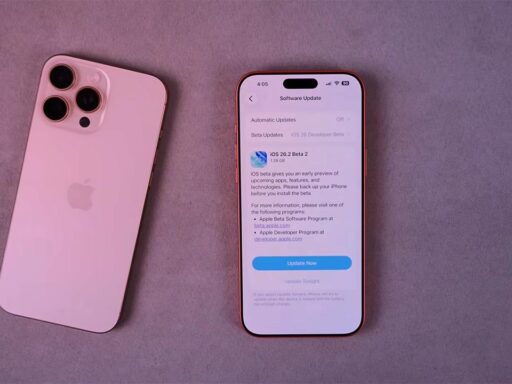
The redesigned system remains in developer testing, with a public beta planned later in 2026. Apple warns that features may change and that availability will vary by language, region and device. The initial release requires supported Apple Intelligence hardware and an English-language configuration. Mobile users in the European Union will not receive Siri AI at the initial launch, while availability in China remains dependent on regulatory approval.
Early testers have also identified limitations. Siri has reportedly misunderstood some accents and failed to retrieve information from certain applications despite appearing to have the necessary permission. Those problems may improve before the wider release, but they show that a successful demonstration does not guarantee reliable everyday performance.
Siri’s reputation was damaged partly because users learned not to trust it with complicated requests. Reversing that behaviour will require more than one impressive update. The assistant must work consistently enough that people stop opening another AI application first.
Apple’s Privacy Strategy Could Be the Real Breakthrough
The most important part of Siri AI may be less visible than its conversational features.
Apple says requests are handled through a combination of on-device models and its Private Cloud Compute architecture. For more demanding processing, the company has expanded its infrastructure through work involving Google and Nvidia while claiming that personal information remains inaccessible to Apple and its partners.
This approach could become a meaningful advantage. The most useful personal assistant needs access to communications, photographs, schedules, locations and habits. That same access creates serious privacy risks when the system depends on advertising or permanently stores personal information on external servers.
Apple is betting that deeply integrated AI can remain useful without turning private context into an advertising profile. That may sound less exciting than an autonomous agent, but it could determine which assistant people are comfortable allowing into the most sensitive parts of their digital lives.
Siri Does Not Need to Beat ChatGPT at Everything
The anticlimactic reaction may ultimately misunderstand Apple’s objective.
Siri does not necessarily need to become the best coding assistant, research platform or standalone chatbot. It needs to become the most convenient way to use intelligence across an iPhone, Mac, iPad, Apple Watch and Vision Pro.
Apple controls the operating system, applications, hardware and many of the permissions required to make that possible. A third-party chatbot can provide a brilliant answer, but Siri can potentially act on the device, understand what is open and connect information across the entire Apple ecosystem.
That integration could matter more than benchmark scores. The strongest Siri experience may consist of dozens of small moments in which no separate AI application needs to be opened.
Apple Fixed Siri, but the Finish Line Moved
The new Siri represents a major recovery for Apple. It is more conversational, more aware of personal context and considerably more capable of completing real tasks. Early experiences suggest that it may finally become an assistant people choose to use rather than one they accidentally activate.
It feels anticlimactic because the upgrade answers a question the industry has already moved beyond. While Apple was trying to build the voice assistant people requested, ChatGPT and its rivals changed the request itself.
The next challenge is no longer whether Siri can understand a complicated sentence. It is whether Siri can become a trustworthy agent that coordinates information and actions across an entire digital life.
Apple has finally repaired its assistant. Now it must prove that the assistant still matters.