
Scientists have reported strong results from a simple liquid treatment that can stop many childhood cavities from getting worse without drilling, injections or sedation.
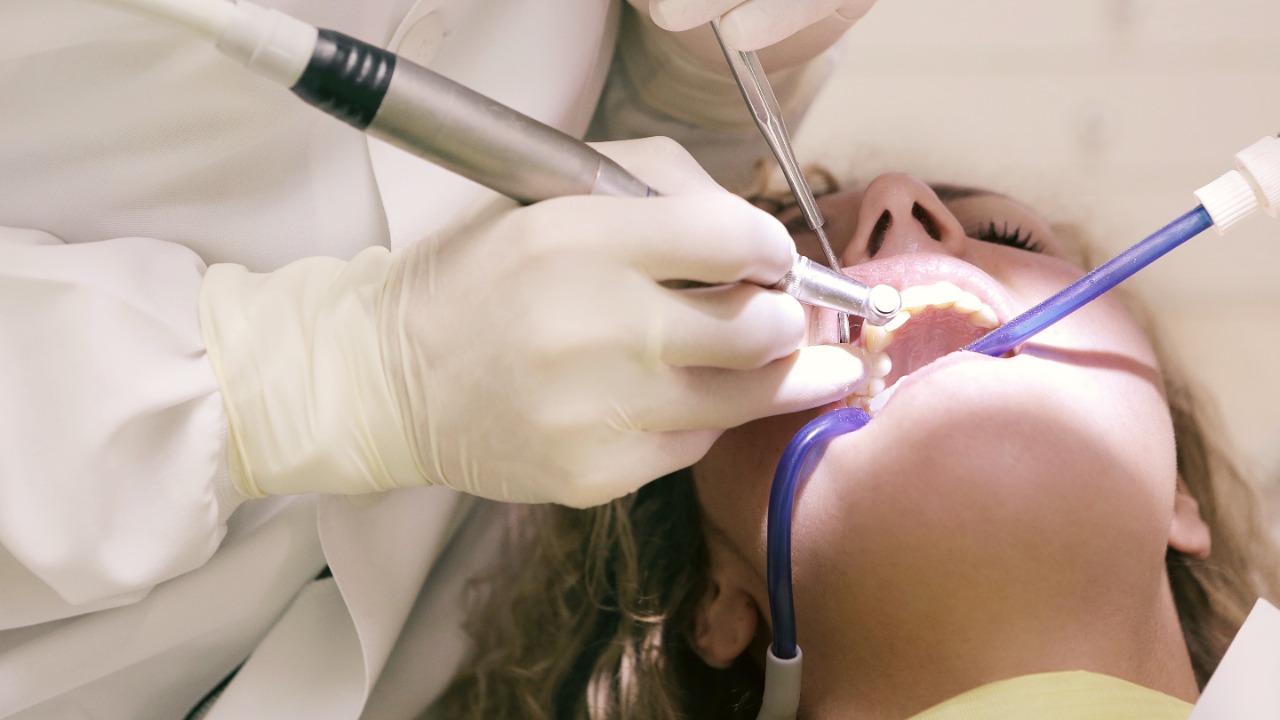
The treatment is called silver diamine fluoride, commonly shortened to SDF. A healthcare professional applies the liquid directly to the decayed part of a tooth with a tiny brush or sponge-tipped applicator. The procedure takes only seconds per tooth and does not require the dentist to remove decayed tissue beforehand.
In a large US clinical trial involving 830 children younger than six, a 38 percent SDF solution arrested decay in more than half of the treated cavities. The results do not mean that SDF rebuilds a damaged tooth or replaces every filling. Instead, it can make active decay inactive, potentially preventing a cavity from becoming painful, infected or large enough to require more invasive treatment.
What the Scientists Tested
The University of Michigan-led research was a phase III, multisite, randomized and placebo-controlled clinical trial. Participants were between 12 and 71 months old and had severe early childhood caries affecting their primary, or baby, teeth.
Children were recruited through dental offices, pediatric medical practices, Head Start programs and subsidized preschools in Michigan, New York and Iowa. They were randomly assigned to receive either 38 percent SDF or a visually matched placebo.
The liquid was applied after the tooth was cleaned and dried. Researchers did not drill or remove the decayed tissue. A trained hygienist placed the solution on the cavity for approximately 10 seconds before blotting it dry. The children were examined three, six and eight months later. The complete methodology and results are available in the peer-reviewed study published in JAMA Pediatrics.
The trial was originally expected to recruit more participants, but an independent monitoring process allowed it to end early after interim results showed sufficient evidence that SDF was effective.
The Treatment Stopped More Than Half of the Decay
Three months after the first treatment, 57.5 percent of the SDF-treated cavities had become inactive, compared with 18.8 percent of cavities in the placebo group.
At six months, which was the study’s main evaluation point, SDF had arrested 54 percent of the treated lesions. Only 22.5 percent of placebo-treated lesions were arrested. Children received another application at six months, and the eight-month results showed arrest in 50.2 percent of SDF-treated cavities compared with 17.4 percent in the placebo group.
These results show that SDF substantially improved the likelihood that an active cavity would stop progressing. They also show that the treatment did not work for every tooth. Almost half of the treated lesions were still active at the later evaluation, meaning monitoring, repeat treatment or conventional dental care could still be required.
Adverse events considered related to treatment occurred at similar rates in the SDF and placebo groups. Most reported events were mild or moderate, and the researchers found no meaningful difference between the groups in cavity-related pain during follow-up.
How Silver Diamine Fluoride Works
SDF combines silver and fluoride in a professional-strength liquid. The silver component helps interfere with bacteria and biofilm activity, while fluoride supports remineralization and makes the damaged tooth structure more resistant to continued decay.
This combination can harden soft, actively decaying dentin and slow or stop further destruction. The American Dental Association’s clinical overview of SDF describes it as both an antimicrobial and remineralizing agent that can arrest dentin caries without removing healthy tooth tissue.
The distinction between arresting and repairing a cavity is important. SDF does not replace the missing part of a tooth with a filling. The hole may remain, and the tooth may still require a restoration later to recover its original appearance, shape or chewing function.
Early enamel decay can sometimes be reversed before a physical hole forms. Once tooth structure has been permanently lost, however, remineralization alone cannot completely rebuild the original shape. The National Institute of Dental and Craniofacial Research’s explanation of tooth decay separates reversible early mineral loss from permanent cavitated damage.
Why a Drill-Free Treatment Matters for Children
Young children can find conventional dental treatment particularly difficult. They may be unable to remain still while receiving an injection, drilling and a filling. Children with extensive decay sometimes require sedation or general anesthesia so several teeth can be treated safely during one procedure.
SDF offers a way to control some cavities while a child becomes old enough to tolerate restorative care or while a family waits for access to a pediatric dentist. In certain cases, repeated applications may keep decay inactive until the affected baby tooth naturally falls out.
The treatment could be especially valuable for children with developmental or physical disabilities, severe dental anxiety or medical conditions that make sedation more complicated. It could also help families living in communities where pediatric dental services are difficult to obtain.
Cavities remain one of the most common chronic health problems affecting children. The Centers for Disease Control and Prevention reports that half of children aged six to nine have experienced at least one cavity in a primary or permanent tooth. Children from lower-income households are also considerably more likely to have untreated decay.
The Major Drawback Is Permanent Black Staining
The main disadvantage of SDF is easy to see. When the liquid successfully reacts with decayed tooth structure, the affected area becomes permanently dark brown or black.
Healthy tooth structure is not normally blackened in the same way. However, the appearance of a treated cavity can be noticeable, particularly when decay affects the front teeth.
The staining does not mean that the cavity has become worse. It can be a visible indication that the treated tissue has hardened, but families must understand the cosmetic result before agreeing to treatment.
SDF can also temporarily stain skin or clothing if spilled during application. The American Academy of Pediatrics’ explanation of SDF’s advantages and disadvantages notes that treated teeth require follow-up and that reapplication may be necessary.
A dentist may later cover an arrested cavity with a tooth-coloured restoration when appearance or function is important.
SDF Cannot Treat Every Cavity
SDF is most appropriate for selected active cavities that have not caused serious involvement of the tooth’s pulp, where its nerves and blood vessels are located.
It should not be treated as an at-home product or applied without a professional examination. A tooth with swelling, an abscess, pulpal involvement, abnormal mobility or signs of deeper infection may require a filling, root treatment or extraction rather than SDF.
The American Academy of Pediatrics’ clinical guidance identifies silver allergy and pulpal involvement as important contraindications. It also describes SDF applied in a medical setting as interim care rather than complete disease management. Patients still require follow-up with a dental professional.
The treatment also does not prevent new cavities by itself. Brushing with fluoride toothpaste, controlling frequent sugar exposure, receiving preventive dental care and treating existing risk factors remain essential.
SDF Is Already Used, but Its US Approval Is Limited
SDF has been used internationally for decades. In the United States, the Food and Drug Administration has cleared it as a professional treatment for tooth sensitivity. Using it specifically to arrest cavities is currently considered off-label.
Off-label use does not mean that a treatment is prohibited or unsupported. It means that the FDA-cleared product label does not currently list cavity arrest as its approved indication.
The new trial was designed partly to provide the evidence required for a formal FDA drug application covering dental caries in young children. Researchers believe approval for that specific purpose could encourage wider clinical adoption, more consistent insurance coverage and greater use in pediatric medical settings.
The American Academy of Pediatric Dentistry already supports SDF as part of an individualized, continuing cavity-management plan. It views the treatment as a minimally invasive option that may prevent or delay more extensive procedures.
A Powerful Option, Not a Universal Cure
The new research strengthens the evidence for a fast, inexpensive and noninvasive way to control serious tooth decay in young children.
A 10-second application arrested more than half of treated cavities at the study’s primary six-month evaluation. That could allow many children to avoid or postpone injections, drilling, sedation and hospital-based dental surgery.
However, SDF does not rebuild missing tooth structure, does not work on every cavity and permanently darkens the decayed area. The tooth must still be examined and monitored, and some patients will eventually need conventional restorative treatment.
The real breakthrough is therefore not the end of dental drilling. It is the availability of a well-supported alternative for patients who cannot immediately receive or tolerate traditional treatment. For young children and families facing limited access to dental care, that small brush and a few drops of liquid could make a major difference.