

Armed conflict kills through bullets, bombs and collapsing buildings, but many deaths occur indirectly after water systems fail, health services disappear and infectious diseases begin spreading through displaced communities.
War can increase transmission while simultaneously damaging the systems responsible for detecting it. Hospitals stop reporting cases, laboratories lose electricity, vaccination programmes are interrupted and health workers flee or are attacked. By the time authorities recognise an outbreak, the pathogen may already have crossed several districts or national borders.
A 2024 systematic review of conflict and infectious disease identified recurring pathways that connect violence with outbreaks. These include forced displacement, overcrowding, food insecurity, disrupted healthcare, damaged water and sanitation systems, declining vaccination coverage and weakened disease surveillance.
The Ebola Outbreak in Congo Shows the Danger
The current Ebola outbreak in the Democratic Republic of the Congo demonstrates how a disease emergency can become more difficult when it develops inside an unstable region.
The outbreak, caused by Bundibugyo virus, was first confirmed in north-eastern Ituri Province in May 2026. The World Health Organization subsequently classified it as a Public Health Emergency of International Concern, signalling that the situation required coordinated international action. Unlike the Zaire species responsible for several previous outbreaks, this strain currently has no approved vaccine or specific treatment.
By July 26, the Democratic Republic of the Congo had recorded 3,262 laboratory-confirmed cases and 1,437 confirmed deaths. The outbreak expanded extraordinarily quickly, with conflict, population movement, access restrictions and insufficient contact tracing complicating the response.
The virus itself was not created by conflict. However, the surrounding violence provided conditions in which infections could remain undetected, patients could move without being traced and responders could not safely reach every affected community.
Displacement Places Large Populations in Crowded Conditions
One of the clearest links between conflict and disease is mass displacement.
Families escaping fighting often leave with little food, medicine or clean water. Many gather in temporary shelters, schools, unfinished buildings or camps that were not designed to accommodate large populations. Toilets, waste disposal and water supplies can quickly become overwhelmed.
Overcrowding facilitates respiratory infections such as measles, influenza and tuberculosis. Inadequate sanitation increases the risk of diarrhoeal diseases, including cholera and hepatitis E. Limited access to mosquito nets and safe shelter can increase exposure to malaria, dengue and other vector-borne diseases.
Displaced people do not inherently carry greater disease risk. The danger comes from the conditions imposed on them: crowding, interrupted vaccination, malnutrition, unsafe water and restricted access to treatment. Research into complex humanitarian emergencies has found that these factors interact, producing chains of vulnerability rather than one isolated cause.
Population movement also complicates follow-up. A patient may be tested in one district and relocate before the result arrives. Contacts may cross an uncontrolled border, change phone numbers or return to an insecure village that response teams cannot enter.
Damaged Water Systems Can Trigger Cholera
Urban water and sanitation infrastructure is particularly vulnerable during war.
Electricity cuts can stop water-pumping and treatment facilities. Bombing may damage pipes, allowing sewage to enter drinking-water systems. Fuel shortages can prevent waste collection, while blocked roads stop chlorine and replacement equipment from reaching affected communities.
Cholera spreads through food or water contaminated with the bacterium Vibrio cholerae. It is preventable and treatable, but it can kill quickly when safe water and rehydration treatment are unavailable.
A study examining conflict and cholera in Nigeria and the Democratic Republic of the Congo found that violence can increase outbreak risk through the collapse of water, sanitation and hygiene services, reduced vaccination coverage and disruption of healthcare programmes.
The problem can spread beyond the original conflict zone. A cholera outbreak that began in West Darfur in 2025 crossed into eastern Chad, where overcrowded refugee locations and limited water and sanitation services supported further transmission.
Routine Vaccination Often Stops During War
Vaccination programmes depend on functioning clinics, refrigerated supply chains, reliable transport and accurate records. Conflict can disrupt every part of that system.
Healthcare workers may be displaced, unpaid or unable to travel safely. Vaccines can expire when refrigeration fails. Parents may avoid clinics because travelling there requires crossing checkpoints or active fighting.
When vaccination coverage falls, diseases that were previously under control can return. Measles is especially dangerous because it is highly contagious and can spread rapidly through crowded settlements containing many unvaccinated children.
Polio, diphtheria, meningitis and whooping cough can also re-emerge when routine immunisation programmes collapse. WHO and UNICEF have warned that declining vaccination coverage, displacement and delayed outbreak detection create conditions for large outbreaks of preventable childhood diseases.
Even after fighting declines, restoring coverage is difficult. Health authorities may not know which children received earlier doses because records have been destroyed or families have moved repeatedly.
Malnutrition Makes Infections More Dangerous
Conflict frequently disrupts farming, trade and food distribution. Families may lose crops, livestock, employment and access to markets at the same time.
Malnutrition weakens immune defences, increasing the likelihood that an infection will become severe. Diarrhoea can then worsen malnutrition by preventing the body from absorbing nutrients, creating a cycle that is especially dangerous for children.
Sudan illustrates this overlap. WHO reported in April 2026 that more than four million people were estimated to be acutely malnourished while malaria, dengue, measles, polio, hepatitis E, meningitis and diphtheria were circulating in several states.
Treating one condition without the other may be ineffective. A child receiving medicine for infection may still deteriorate without therapeutic nutrition, clean water and continuing medical care.
Healthcare Facilities and Workers Become Targets
Health systems cannot detect outbreaks when their clinics are closed or destroyed.
Attacks may kill medical workers, damage laboratories and force hospitals to suspend services. Even facilities that remain open can run out of medicines, diagnostic supplies, protective equipment and fuel.
Since Sudan’s war began in April 2023, WHO had verified 201 attacks on healthcare by January 2026, resulting in 1,858 deaths and 490 injuries. Such attacks affect far more people than those directly killed because they remove services from entire communities.
WHO’s initiative on stopping attacks against healthcare explains that violence against facilities, ambulances, patients and medical personnel undermines emergency care and weakens health systems precisely when communities need them most.
Fear also causes health workers to leave. Their departure removes not only clinical expertise but also local knowledge about normal disease patterns. Without that knowledge, an unusual increase in fever, diarrhoea or unexplained deaths may go unnoticed.
Surveillance Systems Begin to Go Blind
Outbreak surveillance normally depends on information moving through a chain. A patient visits a clinic, a clinician recognises a possible infection, a sample reaches a laboratory and the result is reported to public-health authorities.
Conflict can break the chain at every stage.
Patients may be unable to reach healthcare. Clinics may keep incomplete records. Samples may be delayed at checkpoints or become unusable without refrigeration. Laboratories may lack reagents, electricity or trained staff. Regional databases may stop receiving reports from areas controlled by different armed groups.
An apparent absence of cases may therefore mean that a disease has disappeared, or it may mean that no one is testing and reporting.
Research into Ukraine’s disrupted surveillance system found that open-source epidemic intelligence could supplement formal reporting during conflict. News reports, online discussions and other publicly available signals helped identify possible changes in disease activity when conventional data became incomplete. These methods are useful, but they cannot fully replace clinical testing and verified case investigations.
Contact Tracing Becomes Exceptionally Difficult
Contact tracing requires investigators to identify everyone who may have encountered an infected patient and monitor them during the disease’s incubation period.
That process becomes far harder when roads are unsafe, communities are frequently displaced and armed groups control access. A contact list can become outdated within hours when families flee another attack.
Mistrust creates an additional obstacle. Communities that have experienced violence, government neglect or abuse may suspect that health teams are connected to political or military authorities. Misinformation can strengthen fears that treatment centres are dangerous or that an outbreak has been invented.
WHO’s response in Congo has therefore placed increasing emphasis on community involvement and reliable local information. Trusted residents, religious leaders and community health workers can recognise symptoms and report deaths in places where outside teams have limited access.
Delayed Detection Allows Regional Spread
An undetected outbreak does not remain contained by political boundaries.
People continue travelling for safety, trade, food, medical care and family responsibilities. Informal border crossings may become more common when official routes are closed. Closing borders without community cooperation can push travel underground, making screening and contact tracing even harder.
The Ebola outbreak confirmed in Congo and Uganda in May 2026 showed why cross-border coordination matters. Frequent population and commercial movement linked communities on both sides of the frontier, requiring countries to share alerts, laboratory information and contact records.
By the time a patient appears at a distant hospital, clinicians may not know that the person recently travelled through an outbreak area. Symptoms such as fever, weakness and vomiting can initially resemble malaria, typhoid or other common illnesses, delaying isolation and testing.
Faster Local Testing Can Reduce the Blind Spot
Central laboratories provide high-quality diagnostics, but samples may take days to reach them from remote or insecure areas.
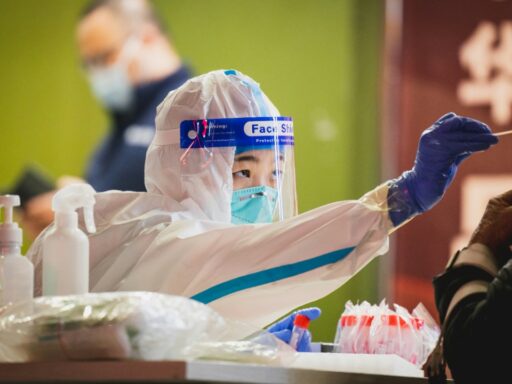
Decentralised laboratories and portable molecular tests can shorten the time between illness and confirmation. During Congo’s Ebola response, diagnostic capacity was expanded closer to affected communities so suspected cases could be tested more quickly.
The broader development of decentralised molecular diagnostics could make outbreak detection more resilient in regions where roads, electricity and central laboratories are unreliable. However, these systems still require trained staff, quality control, secure supply chains and a way to communicate results.
Community-based surveillance is equally important. Local health workers can report unusual clusters of illness or deaths through basic mobile phones, radio or paper systems when more sophisticated technology fails.
Disease Control Must Be Treated as Part of Civilian Protection
Emergency medicine alone cannot eliminate the conditions producing conflict-related outbreaks.
Effective protection requires safe access for health workers, functioning water systems, vaccination campaigns, nutritional support and secure routes for laboratory samples and medical supplies. Armed parties must respect hospitals, ambulances and disease-response teams.
International funding also needs to arrive before an outbreak becomes uncontrollable. Surveillance and prevention are less visible than building emergency treatment centres, but they are usually faster, safer and less expensive than responding after widespread transmission has begun.
Conflict creates a dangerous paradox: it increases the conditions in which pathogens spread while weakening the systems designed to reveal that spread. Restoring those systems is therefore not a secondary humanitarian concern. It is essential to preventing a local health emergency from becoming a regional or global threat.