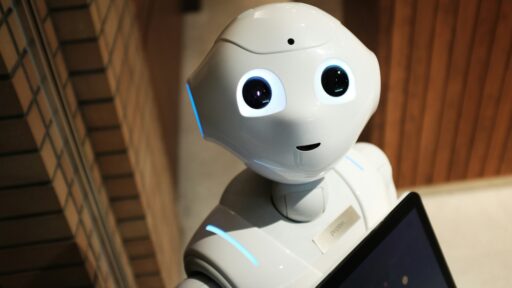
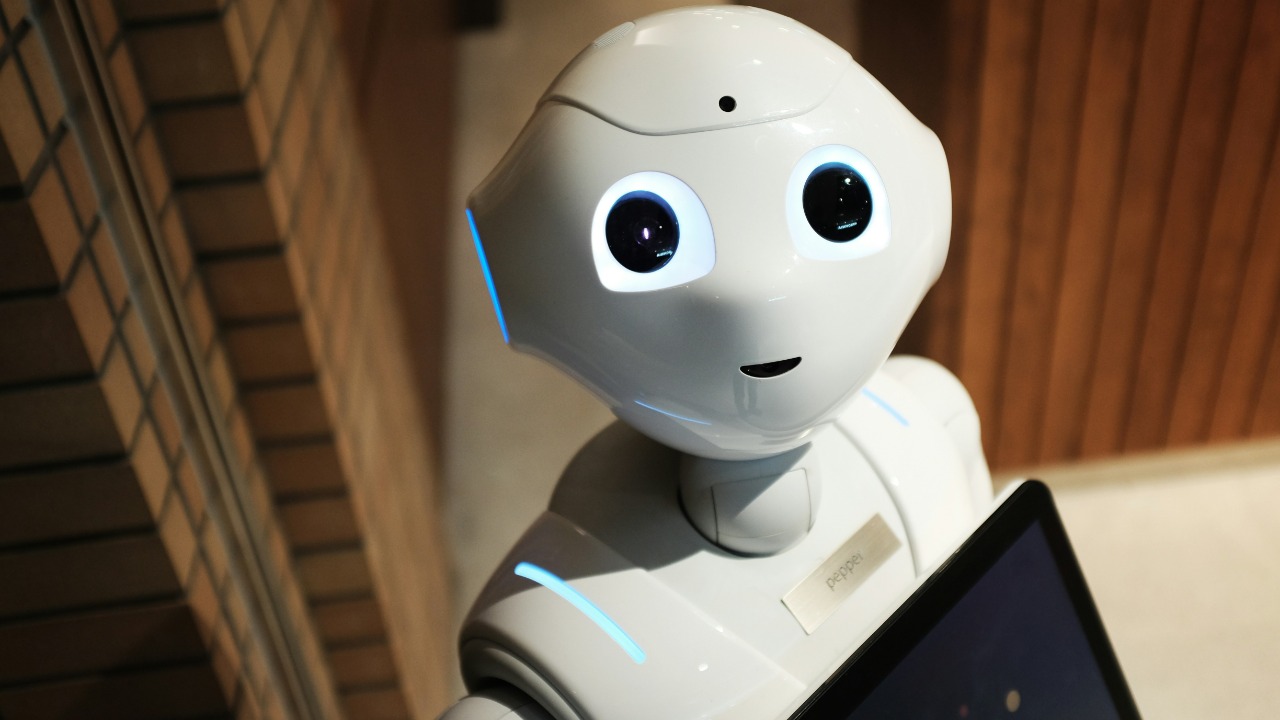

The United States has introduced new restrictions that will prevent many foreign-made humanoid robots, quadruped “robot dogs” and other connected mobile robots from entering the American market without special approval.
Although the policy formally applies to foreign-produced robotic devices rather than naming China alone, Chinese manufacturers are expected to experience the greatest impact. The country has become a leading producer of affordable humanoid and four-legged robots, including machines designed for factories, warehouses, laboratories, inspections and research.
The Federal Communications Commission added “advanced robotic devices” and connected power inverters to its Covered List on July 28, 2026. Equipment placed on this list cannot obtain the FCC authorisation normally required before a new electronic product can be imported, advertised or sold in the United States.
The decision is not a recall and does not make existing robots illegal. Models previously authorised by the FCC can continue to be imported, sold and used. Consumers, universities and businesses that already own affected equipment are not required to stop operating it.
What Counts as an “Advanced Robotic Device”?
The restriction is broader than a simple ban on human-shaped machines.
The FCC defines an advanced robotic device as a connected machine capable of movement, navigation, obstacle avoidance or ground locomotion. It must use sensors to observe its surroundings and contain network-capable computing hardware. The definition also applies only above a minimum weight of approximately two kilograms, including a docking station where applicable.
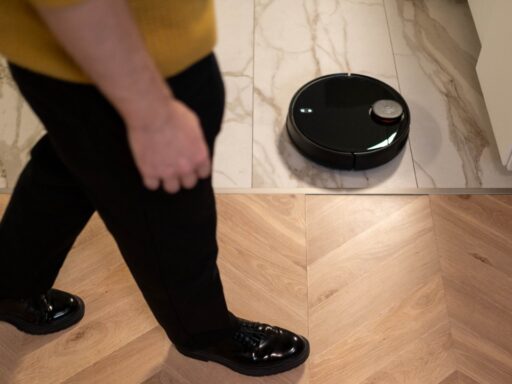
Humanoid robots and quadruped machines clearly fall within that category, but wheeled industrial robots and some future consumer devices could also qualify. A sufficiently large connected robot vacuum, security robot or autonomous warehouse machine could therefore require an exemption before a new model enters the US market.
The rules focus on connectivity and physical autonomy because these machines do more than process information. They can observe workplaces, move through buildings and interact with equipment or people.
A compromised laptop can expose data. A compromised mobile robot could expose data while also moving, operating tools, entering restricted areas or interfering with physical processes.
Why US Officials Consider Connected Robots a Security Risk
The FCC said the robots’ cameras, microphones and other sensors could collect information valuable to foreign intelligence services. Network access could potentially allow stolen data to leave a facility or permit an outside party to manipulate the machine remotely.
The government’s national-security determination warned that networked robots create possible attack routes affecting both collected data and physical operation. It said malicious actors might use them to surveil Americans, improve foreign intelligence capabilities or remotely commandeer the machines.
These concerns are particularly serious when robots operate in sensitive environments. A machine used inside an advanced factory could record production methods, equipment layouts or proprietary processes. One operating at an energy facility could collect information about critical infrastructure. A research robot might have access to confidential experiments, software or artificial-intelligence training data.
The decision does not prove that Chinese manufacturers have used their robots for espionage. It reflects the US government’s assessment that dependence on foreign-built, remotely connected machines creates risks that may be difficult to manage after those products are widely deployed.
Unitree Is Likely to Be One of the Most Affected Companies
The restrictions are expected to create difficulties for Unitree, one of China’s most visible robotics manufacturers.
Unitree produces humanoid systems as well as quadruped robots used for education, industrial research, inspections and artificial-intelligence development. Its comparatively low prices have helped the company gain customers among American universities and research institutions.
The company has also worked with Nvidia on integrating advanced Blackwell computing technology into robotic platforms. Nvidia has said data generated by the partnership’s robots would remain in the United States and that many Unitree customers are American academic or research organisations.
Unitree was recently added to a Pentagon list of companies alleged to have links with China’s military. Beijing has rejected similar US designations and accused Washington of using national-security arguments to suppress Chinese businesses.
The FCC action does not automatically remove previously approved Unitree products from American laboratories. It creates a major barrier for future models unless they obtain conditional approval.
Manufacturers Can Apply for an Exemption
The policy does not impose an absolute prohibition on every foreign-built robot.
Manufacturers can seek Conditional Approval by demonstrating that a device or class of devices does not create the security risks identified by the government. For robotics products, the relevant determination would involve the US defence authorities. Connected power-inverter applications may also involve the Department of Homeland Security.
Non-Chinese manufacturers are expected to receive many of these exemptions, according to people familiar with the policy. Applicants may need to provide information about ownership, software development, component sourcing, data handling and plans to manufacture equipment in the United States.
This waiver structure means the action functions less like a traditional customs ban and more like a security gate. New products cannot enter automatically, but a company may still receive permission after review.
Chinese manufacturers could find approval more difficult because the policy emerges from wider concerns about China’s technology supply chains, government access laws and alleged military connections.
Existing Robots Can Still Receive Security Updates
One concern surrounding technology restrictions is that preventing software changes could make products already in use less secure.
The FCC issued a separate waiver allowing previously authorised robots and power inverters to continue receiving software and firmware updates until at least January 1, 2029. Those updates may include vulnerability patches, compatibility improvements and changes needed to preserve safe operation.
That distinction matters because an abandoned connected robot could become more dangerous over time. Security weaknesses discovered after purchase need to be repaired, even when the government no longer wants additional units entering the market.
The waiver does not give manufacturers permission to introduce entirely new covered models. It allows updates and certain modifications to equipment that already received FCC approval before the Covered List was expanded.
Power Inverters Were Included in the Same Action
The announcement also covers new foreign-produced connected power inverters.
Inverters convert electricity from solar panels, batteries and other sources into a form that can be used by electrical grids, buildings and data centres. Modern versions frequently include remote monitoring, cloud management and software-based controls.
US officials argue that those connections could create vulnerabilities across energy infrastructure. A compromised inverter might be remotely switched off, used to gather operating data or exploited as an entry point for a wider cyberattack.
China dominates global inverter manufacturing, with companies such as Sungrow and Huawei among the industry’s largest suppliers. Washington is concerned that widespread dependence on Chinese equipment could give Beijing leverage over energy systems supporting AI data centres, manufacturing plants and essential services.
Including robots and inverters in the same announcement reflects a broader strategy: preventing connected foreign hardware from becoming deeply embedded in infrastructure before security concerns are fully addressed.
The Policy Also Supports America’s Robotics Industry
National security is the government’s stated justification, but industrial competition is also an important part of the decision.
Chinese robotics companies have benefited from large manufacturing supply chains and increasingly competitive prices. American manufacturers such as Tesla, Boston Dynamics, Figure AI and Agility Robotics are trying to expand production while competing against Chinese companies capable of introducing lower-cost machines.
Blocking new Chinese models could give US manufacturers more time to develop factories, improve products and secure domestic customers. The administration has openly connected the restrictions with efforts to reshore strategic manufacturing and avoid becoming dependent on China for another emerging technology industry.
Critics may view that approach as protectionism presented through security policy. Supporters argue that losing domestic robotics production would create the same strategic dependence already seen in areas such as rare-earth processing, solar equipment and electronics manufacturing.
China Has Warned That It May Respond
China’s embassy in Washington accused the United States of smearing Chinese companies and threatening them with unjustified sanctions. It urged American officials to consider the views of businesses in both countries and warned that Beijing could take measures if the restrictions materially damage Chinese interests.
Possible responses could include legal challenges, trade restrictions or closer scrutiny of American companies operating in China. Beijing could also increase support for its domestic robotics industry and concentrate more heavily on markets outside the United States.
The policy therefore risks accelerating the separation of American and Chinese technology ecosystems. Robots developed for one market may eventually use different chips, cloud services, software platforms and safety standards from those sold in the other.
The Ban Is Narrower Than the Headline Suggests
The United States has not prohibited Americans from owning every Chinese robot, nor has it ordered companies to destroy existing machines.
The immediate effect is to block new covered models from obtaining FCC approval unless their manufacturers receive an exemption. Previously authorised robots remain legal, retailers may continue selling those models and software support can continue under the FCC’s waiver.
Even so, the policy could reshape the American robotics market. Chinese companies may struggle to introduce their newest machines, while US manufacturers gain greater protection during a critical period of industry development.
The decision also signals how Washington increasingly views autonomous robots: not merely as consumer gadgets or factory equipment, but as networked computers capable of seeing, moving and acting in the physical world. As such machines become more common, questions about who built them, where their data travels and who can control them are likely to become central to national-security policy.