
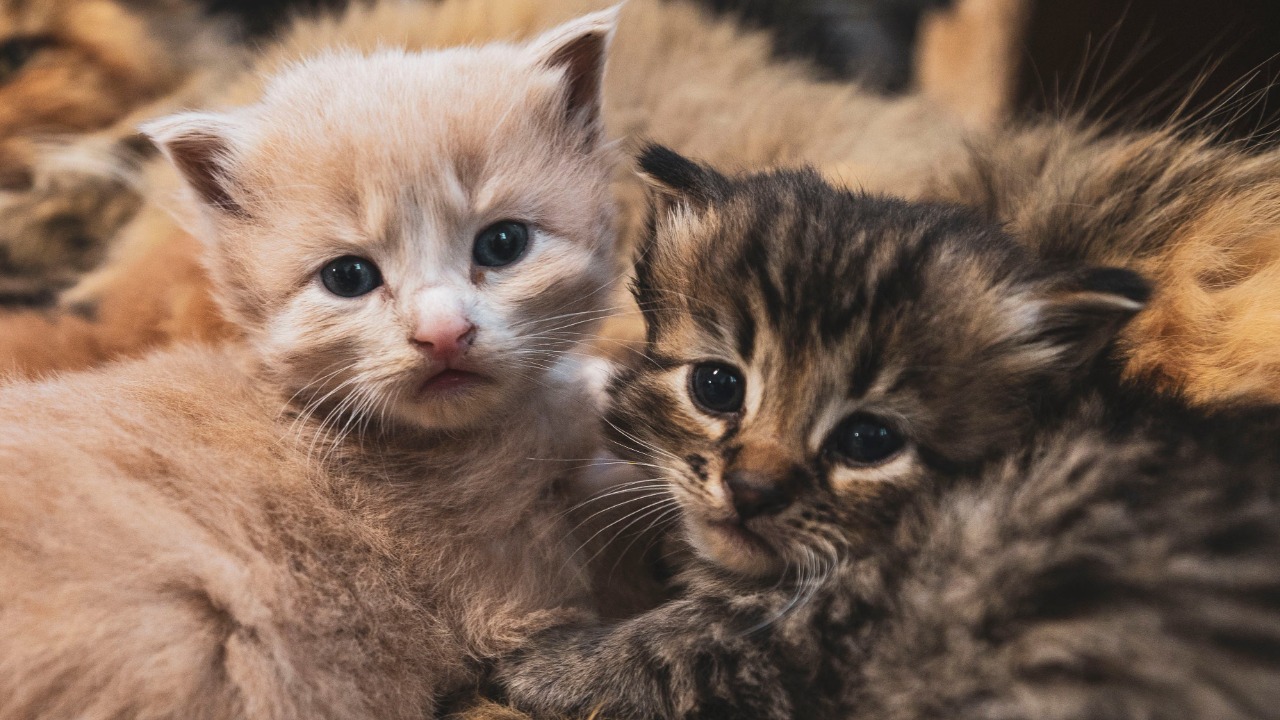

Cute animal videos once offered one of the internet’s simplest pleasures. A clumsy puppy, a curious raccoon or an unlikely friendship between two animals could provide a few seconds of uncomplicated entertainment.
That experience is becoming harder to trust.
Social feeds are increasingly filled with AI-generated cats working in restaurants, bears rescuing children, eagles displaying invented behaviours and wild predators behaving like domestic pets. Some clips are clearly absurd. Others imitate security cameras, smartphones and wildlife documentaries closely enough to appear authentic during a fast scroll.
Artificial intelligence is not literally eliminating real animal footage. Genuine wildlife and pet videos are still being recorded and shared every day. However, synthetic clips are competing for the same attention, imitating the same emotional appeal and making viewers suspicious of footage that is actually real.
The result is a strange reversal. AI was expected to create experiences that could not exist in reality. Instead, it is increasingly manufacturing the ordinary moments that real animals already provided.
Why AI Animal Videos Are Spreading So Quickly
Generative video tools have dramatically reduced the effort required to create a convincing short clip.
A real wildlife video may require travel, specialist equipment, patience and an unpredictable animal. A creator filming a household pet still needs the right moment, lighting and behaviour. An AI account can produce multiple fictional scenes from text prompts without owning an animal, leaving a bedroom or waiting for anything to happen.
Modern tools can generate photorealistic movement, imitate handheld cameras and reproduce the compressed appearance of social-media video. OpenAI’s Sora, Google’s Veo, Runway and other systems have made short synthetic scenes far easier to produce than they were only a few years ago. OpenAI has even created a social video experience around Sora, while Meta launched its own feed of AI-generated clips called Vibes.
Animals are ideal subjects for this technology. They do not need perfectly synchronised speech, and viewers may overlook small physical inconsistencies when the scene is emotional, funny or surprising. A cat preparing coffee or a baby elephant hugging a rescuer only needs to appear believable for several seconds.
That low production cost allows operators to publish continuously. One account can test dozens of concepts, retain the formats that attract attention and repeat them with different animals.
Algorithms Reward the Exact Emotions These Videos Exploit
Short-form platforms are designed to identify content that stops scrolling and produces reactions. Cute animal clips naturally generate comments, shares and repeated viewing.
AI makes that emotional formula programmable.
A creator can request a frightened puppy, an injured bird, an unusual animal friendship or a dramatic rescue. The situation can be intensified until it becomes more emotionally powerful than most spontaneous footage. Every frame can be designed around surprise, danger or relief.
This is one reason “AI slop” can compete successfully despite being repetitive or poorly made. A 2025 investigation reported by The Guardian found that more than 20% of videos recommended to new YouTube accounts qualified as low-quality AI-generated content under the study’s methodology. The channels included in the analysis were estimated to produce approximately $117 million in annual revenue.
That finding did not focus exclusively on animals, and it should not be interpreted as proof that one-fifth of all YouTube videos are synthetic. It does demonstrate that automated content can occupy a significant portion of recommendations before a user has established strong viewing preferences.
Once someone watches several fictional animal clips, the recommendation system may provide more of the same. The feed can gradually move from real pets and wildlife towards increasingly exaggerated synthetic scenes.
Real Animal Videos Now Have to Prove They Are Real
The damage is not limited to viewers being fooled by individual clips. The wider consequence is declining confidence in visual evidence.
A real video can now appear “too perfect” and be dismissed as artificial. Jimothy, a unusually shaped raccoon filmed in Seattle in July 2026, became so visually distinctive that many viewers initially assumed he had been generated by AI. The original animal was real, but his popularity quickly produced large numbers of synthetic remixes that made the boundary even harder to recognise.
Researchers studying how people watch AI-generated physical scenes found that awareness of synthetic video changes viewing behaviour. Instead of simply watching, participants began actively searching for errors and visual anomalies. Their attention depended heavily on whether they believed the clip was authentic, not only on whether it actually was.
This creates an authenticity tax for genuine creators. Wildlife photographers, pet owners and animal organisations may need to provide longer clips, behind-the-scenes footage or contextual evidence before audiences accept what they see.
The innocent pleasure of a surprising animal moment is replaced by an investigation into paws, shadows, reflections and background movement.
Fake Wildlife Behaviour Can Cause Real Harm
Synthetic animal videos are not always harmless entertainment.
A realistic clip can teach viewers false information about how a species behaves. Videos showing wild predators cuddling people, approaching homes peacefully or forming implausible friendships may create the impression that dangerous animals are predictable and safe.
Researchers and conservation specialists have warned that fabricated wildlife videos can encourage inappropriate interactions, weaken respect for natural behaviour and contribute to demand for exotic animals as pets. A July 2026 report highlighted concerns that invented scenes may distort public understanding of wildlife and make dangerous encounters appear normal.
Deepfake videos involving the well-known Big Bear bald eagles Jackie and Shadow have attracted millions of views by showing behaviours that never occurred, including invented physical interactions. Wildlife experts warned that such content can replace observation with fictional storytelling while retaining the authority of documentary-style footage.
The problem becomes particularly serious when a synthetic clip is presented as educational evidence. Viewers may develop beliefs about reproduction, diet, social behaviour or conservation status from an event that never happened.
AI Has Complicated the Fake Animal Rescue Problem
Fabricated rescue content existed before generative AI. Some creators placed real animals in dangerous situations and then filmed themselves “saving” them to attract views and donations.
Animal-welfare organisations have documented videos in which animals appear to have been deliberately endangered, restrained or placed near predators before a staged intervention. World Animal Protection’s investigation describes how these formats spread across Facebook, Instagram, YouTube, TikTok and X.
AI removes the need to harm an animal while preserving the manipulative format. That is a genuine welfare improvement compared with staging physical abuse, but it introduces different risks.
Synthetic rescue clips can normalise dramatic, unrealistic interventions and make authentic rescue organisations appear less impressive. Real wildlife rehabilitation is often slow, difficult and visually unremarkable. It may involve paperwork, quarantine, veterinary treatment and careful release planning rather than a perfectly timed emotional reunion.
AI can manufacture a more satisfying story in seconds. Viewers may then reward fictional rescuers while legitimate charities struggle to establish that their work is genuine.
The clips can also support scams. An account may use AI-generated suffering to request donations for an animal that does not exist. Four Paws’ guide to identifying AI animal content advises checking the history of the account, the details behind any fundraising appeal and whether critical comments are being deleted.
Platform Labels Help, but They Are Not Enough
Major platforms now require or encourage disclosures for realistic synthetic content.
YouTube asks creators to identify videos that have been meaningfully altered or generated by AI. It may apply labels itself and can penalise creators who repeatedly fail to disclose realistic synthetic media. YouTube also carries forward certain Content Credentials that indicate how a file was created.
TikTok requires realistic AI-generated content to be labelled and uses creator disclosures, automated detection and C2PA provenance information. The company said in July 2026 that it had labelled more than three billion videos through a combination of Content Credentials, creator tools and invisible watermarking. It is also testing controls that let users influence how much AI-generated material appears in their feeds.
Meta applies “AI info” labels when it detects recognised signals or receives a creator disclosure. Its broader approach is generally to preserve manipulated content while adding transparency unless the material violates another policy.
These systems are useful but imperfect. Metadata can disappear when a video is downloaded, cropped, recorded from another screen or processed through unsupported software. Detection tools also struggle to keep pace with new generators. Reuters found that Meta’s own image-verification technology failed to recognise 55% of tested AI images after they were substantially cropped. The test involved still images rather than animal videos, but it illustrates the fragility of technical identification.
How Viewers Can Protect the Real Internet
Visual mistakes remain useful clues, although they are becoming less dependable. Animals may change size between frames, paws may merge with surfaces and objects may appear or disappear. Movement can feel unusually smooth, while dramatic events may occur without realistic reactions from surrounding animals or people.
Context is often more revealing than anatomy. A credible wildlife account usually identifies the species, location, date and person who recorded the footage. Established rescuers can show facilities, staff, veterinary records and a history extending beyond one viral post.
Reverse-searching key frames, checking whether reputable organisations have reported the event and reading beyond the caption can help. A request for money deserves particularly careful verification.
The strongest long-term solution may not be better detection of everything fake. It may be stronger proof of what is real. The C2PA Content Credentials standard is designed to preserve information about a file’s origin and editing history, allowing cameras, software and platforms to provide evidence of provenance. It cannot determine whether every scene is truthful, but it can help establish that identifiable equipment recorded a file and document subsequent changes.
Authenticity May Become the New Scarcity
AI animal videos will not disappear. They are inexpensive, endlessly customisable and well matched to recommendation algorithms.
Some are also creative and openly fictional. A clearly labelled animation of a cat running a bakery does not carry the same ethical problem as a fabricated wildlife rescue presented as real.
The deeper issue is substitution. Synthetic clips are beginning to occupy the emotional and commercial space once held by spontaneous footage of real life. They do not merely add imaginary animals to the internet; they alter how audiences interpret genuine ones.
Real animal videos may eventually become more valuable precisely because they are harder to authenticate. Trusted creators, verified recording histories and transparent wildlife organisations could gain importance as viewers become exhausted by synthetic perfection.
Cute animal content is not being completely replaced. Its meaning is changing. The viewer no longer asks only whether the animal is adorable, surprising or funny.
The first question is increasingly whether it existed at all.