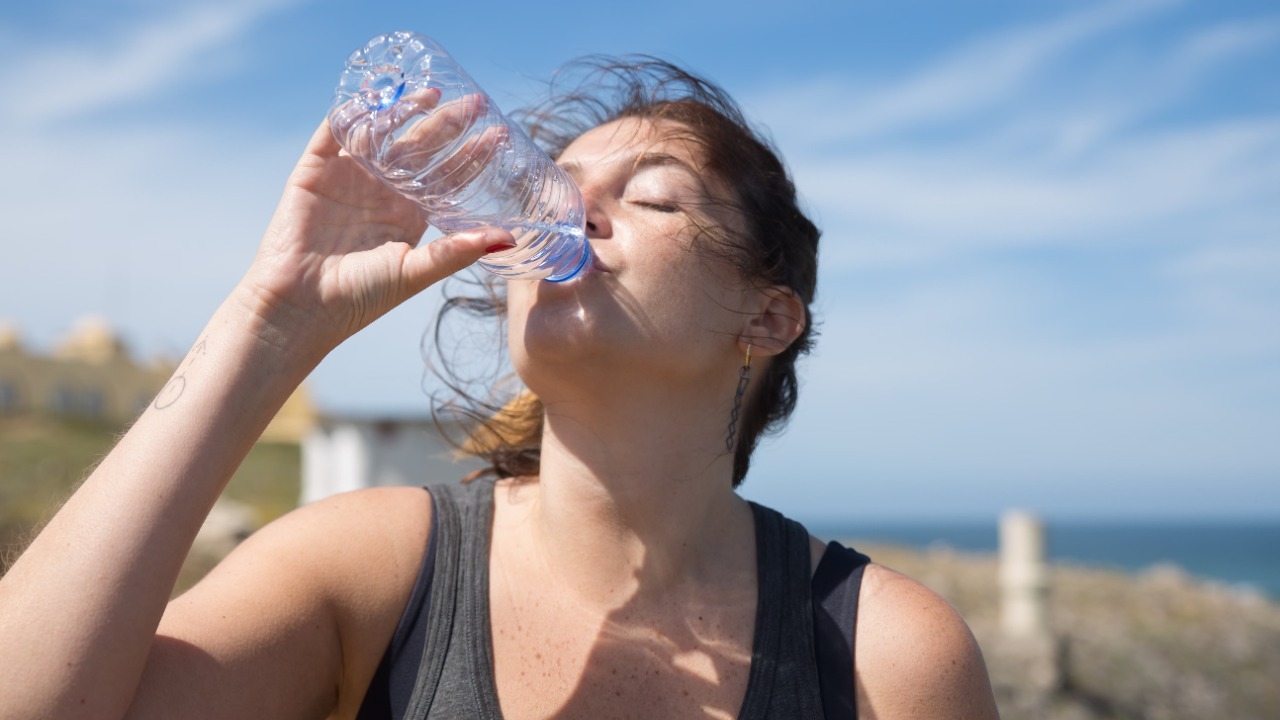

Heatwaves can create more than physical discomfort. For some people, days of oppressive temperatures, sleepless nights and alarming climate headlines produce a powerful mixture of anxiety, frustration and helplessness.
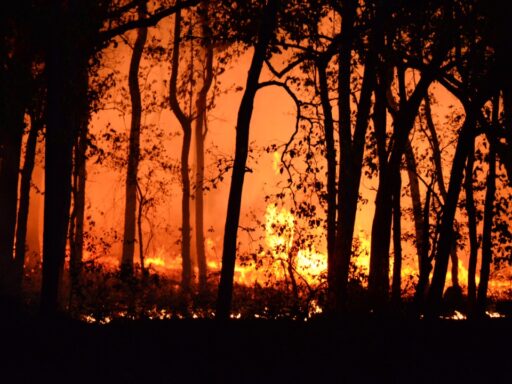
The reaction may begin physically. Heat can increase sweating, dizziness, breathlessness, nausea and heart rate—sensations that closely resemble anxiety or the beginning of a panic attack. At the same time, the person may be worrying about wildfires, water shortages, vulnerable relatives, overheated homes or the wider consequences of climate change.
That combination can make the danger feel immediate and impossible to escape. The weather is outside the individual’s control, ordinary routines become harder and every new temperature forecast may appear to confirm that conditions are worsening.
Heatwave anxiety is not necessarily a separate medical diagnosis. It can describe anxiety intensified by physical heat, distress about an immediate weather event or a broader form of climate anxiety. Understanding which process is occurring is the first step towards managing it.
Extreme Heat Places the Body Under Stress
The human body must work continuously to maintain a safe internal temperature. It does this partly by increasing blood flow to the skin and producing sweat.
During prolonged heat, particularly when humidity is high, these cooling mechanisms become less effective. Dehydration, disrupted sleep and physical exhaustion can then reduce emotional resilience and make everyday problems feel harder to manage.
The World Health Organization says extreme heat can worsen existing mental-health conditions as well as cardiovascular, respiratory, kidney and metabolic illnesses. The risk depends on the temperature, the duration of exposure, local conditions and the person’s ability to access cooling and water. (who.int)
Hot nights can be especially difficult because the body receives less opportunity to recover. A person who sleeps badly may become more irritable, emotionally reactive and unable to concentrate the following day. After several nights, worries that would normally feel manageable can become overwhelming.
This does not mean every anxious feeling during hot weather is psychological. It may be a sign that the body needs cooling, hydration or medical attention.
Heat Symptoms Can Resemble a Panic Attack
Heat exhaustion and panic can produce overlapping sensations.
Both may involve sweating, dizziness, nausea, a racing heartbeat, weakness and rapid breathing. Panic attacks can also cause hot flushes, chest discomfort, trembling, fear and a feeling that something catastrophic is about to happen. The NHS guidance on panic disorder explains that attacks commonly last between five and 20 minutes, although some continue longer.
A person who already fears bodily symptoms may interpret ordinary heat stress as evidence of an approaching emergency. That fear can accelerate breathing and increase physical discomfort, creating a cycle in which heat and anxiety reinforce one another.
The safest first response is to move somewhere cooler, reduce physical activity and drink water. The person can then observe whether the symptoms begin improving.
UK public-health guidance states that heat exhaustion does not usually require emergency treatment when the person starts recovering within approximately 30 minutes after cooling down. Continued deterioration, confusion, loss of coordination, collapse or failure to improve may indicate heatstroke, which is a medical emergency. (gov.uk)
Cooling the Body Can Calm the Mind
When anxiety rises during a heatwave, emotional techniques may be less effective until the physical discomfort is addressed.
The person should move away from direct sunlight and into the coolest available space. Closing curtains or blinds on sun-facing windows during the day can reduce indoor heat, while opening windows later may help once the outside temperature falls below the indoor temperature.
A cool shower, damp cloth, fan or wrapped cold pack can provide relief. Cold packs should not be placed directly against bare skin for extended periods.
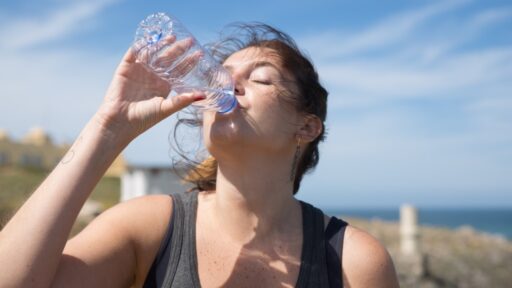
Regular water intake is generally more useful than waiting until intense thirst develops. Excessive alcohol can worsen dehydration, while large quantities of caffeine may increase restlessness, heart rate and sleep problems. The UK Health Security Agency’s hot-weather guidance advises limiting alcohol and caffeine while prioritising water and cooler environments.
Cooling is not simply a distraction from anxiety. It removes some of the physical signals that may be telling the brain that the body is in danger.
Separate Immediate Risk From Future Fear
Heatwave anxiety often combines several different concerns into one overwhelming threat.
An immediate concern may involve whether the bedroom is too hot tonight. A medium-term concern could involve checking on an older relative. A much larger fear may involve what repeated heatwaves suggest about the future of the climate.
Trying to solve all three levels simultaneously can create helplessness. A more manageable approach is to identify the problem that requires action now.
The person might decide to create one cooler room, move strenuous tasks to the morning, check the UKHSA’s official Heat-Health Alert dashboard once per day or arrange a call with someone who lives alone. Heat-health alerts are intended to provide early warning when temperatures may affect public health and services.
The global climate crisis cannot be solved by one person during one hot afternoon. Immediate safety can still be improved through specific, achievable decisions.
Limit Repetitive Heatwave News
Reliable weather information is useful. Constantly refreshing temperature maps, wildfire footage and social-media commentary may not be.
Repeated exposure can make the nervous system behave as though every distressing update requires an immediate response. The individual receives more information but gains little additional ability to act.
The Mental Health Foundation recommends reducing exposure to relentless news when it produces anxiety and emotional exhaustion. Practical options include disabling notifications, checking updates at planned times and avoiding unreliable accounts that use frightening claims without providing useful safety information. (mentalhealth.org.uk)
A scheduled morning and evening check of a trusted forecast may provide all the information required for most daily decisions. The hours between those checks can then be used for cooling, work, rest and contact with other people.
Restore a Predictable Routine
Heatwaves disrupt the habits that usually keep anxiety manageable. Exercise may become unsafe during the afternoon, sleep becomes fragmented and people may spend more time isolated inside darkened rooms.
The replacement routine does not need to resemble an ordinary day. It only needs to create structure.
Work requiring concentration may be moved to cooler morning hours. Light movement can take place indoors or later in the evening. Meals, medication and bedtime can remain reasonably consistent even when other plans change.
Breathing exercises may help when the person is physically safe but remains anxious. Slow breathing—with a longer, unforced exhalation—can reduce the tendency to hyperventilate. It should not be used to explain away confusion, severe weakness or other possible heatstroke symptoms.
The NHS advises seeking professional help when anxiety, fear or panic becomes difficult to manage or begins interfering with daily life. Its anxiety and panic guidance also directs people towards urgent support when they are experiencing a mental-health crisis.
Replace Isolation With Connection
Helplessness becomes stronger when a person feels that everyone else is coping normally.
Speaking openly with family, neighbours or colleagues can reveal that others are also sleeping badly, changing plans and feeling unsettled. That shared recognition can reduce shame and create practical cooperation.
Someone with a cooler home might host a vulnerable relative during the hottest hours. Neighbours can check on older residents, share fans or help collect prescriptions and groceries.
The Mind guide to climate change and mental health notes that climate-related distress can include anxiety, grief, anger and powerlessness. It recommends talking about those feelings, caring for physical needs and connecting with others rather than treating the reaction as something that must be handled alone.
Turn Climate Anxiety Into Proportionate Action
Climate anxiety is not irrational when it responds to a real environmental threat. The problem begins when the emotion becomes so intense that it prevents sleep, work, relationships or meaningful action.
A small, defined contribution can help restore agency. The person might support a local cooling-centre campaign, plant shade-producing greenery, help a community group check on vulnerable residents or ask an employer about a safe hot-weather plan.
The action does not need to carry the impossible expectation of stopping climate change alone. Its value lies in converting fear into participation and connection.
Research and professional guidance increasingly describe meaning-focused or hopeful action as a healthier response than denial or continuous exposure to alarming information. The Mental Health Foundation argues that climate distress should be acknowledged as a natural response while still providing support when it becomes harmful.
Medication Requires Extra Attention During Heat
Some medicines can affect sweating, thirst, fluid balance or the body’s ability to regulate temperature.
UKHSA warns that certain antipsychotics, antidepressants, anxiety medicines and other psychotropic drugs may increase vulnerability during extreme heat. Stimulant medication and medicines used for blood pressure or fluid control can also require additional attention. (gov.uk)
Medication should not be stopped or changed without professional advice. A pharmacist or prescribing clinician can explain whether additional precautions are needed and how the medicine should be stored during hot weather.
Knowing When to Seek Help Matters
Heatwave anxiety can usually be managed through cooling, hydration, reduced stimulation and support. It should not be used as a reason to dismiss potentially dangerous physical symptoms.
Confusion, loss of consciousness, seizures, severe breathing difficulty or symptoms that fail to improve after cooling require urgent assessment. In the UK, a suspected life-threatening emergency requires 999. NHS 111 can provide urgent advice when the situation is not immediately life-threatening.
Persistent anxiety also deserves care. When fear continues after the heat has passed, repeatedly causes panic or prevents normal functioning, a GP or NHS Talking Therapies service can help.
The sense of helplessness created by extreme heat is understandable. The temperature cannot be negotiated with, and the wider climate crisis cannot be resolved in one day. A person can still protect the body, reduce unnecessary mental overload, seek connection and act within a realistic area of control.
That does not make the heatwave harmless. It makes the next few hours more manageable.