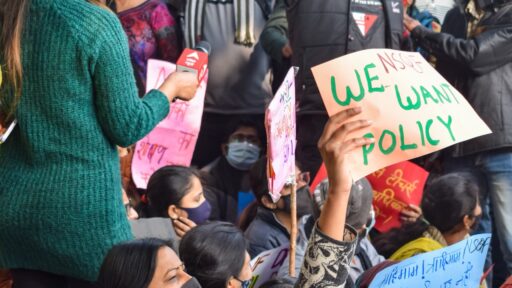
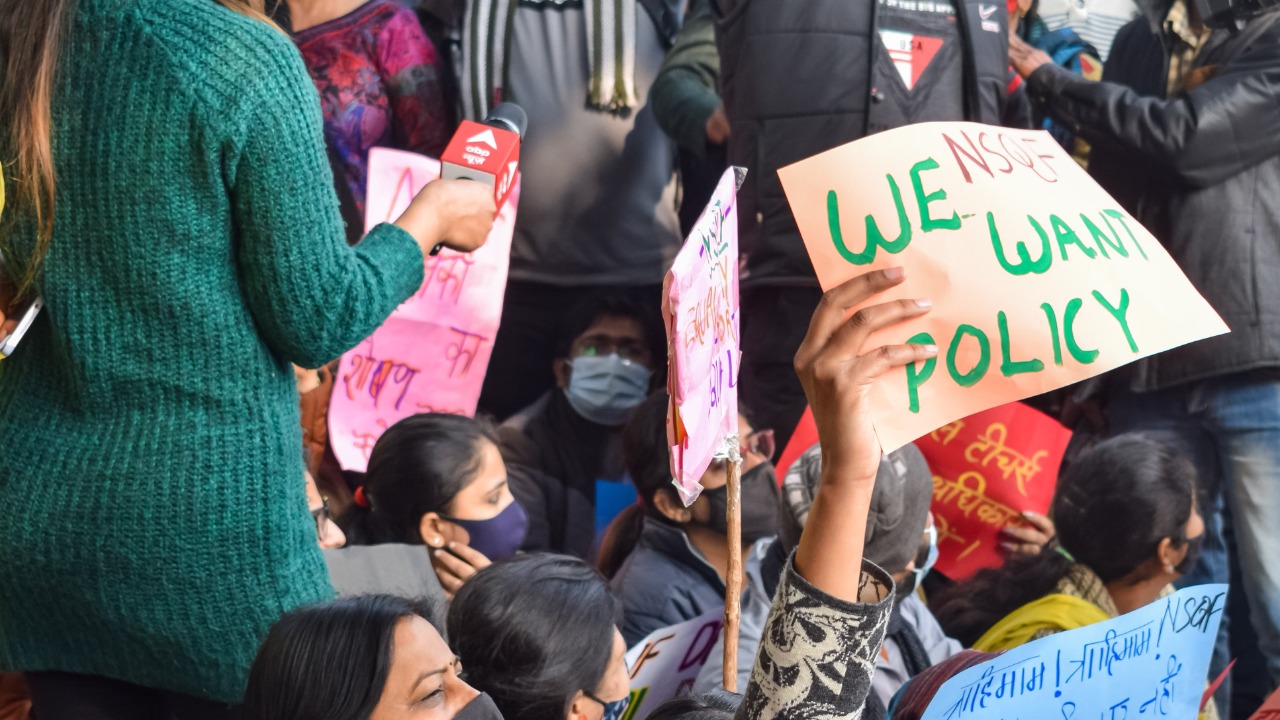

Leaders of India’s youth-led Cockroach Janta Party have entered negotiations with senior government ministers as nationwide demonstrations over examination paper leaks continue. Although the talks have created the possibility of a political breakthrough, movement representatives have made it clear that protests will not end unless their central demands are addressed.
According to Reuters’ report on the negotiations, the government asked for additional time to consider the protesters’ demand that Education Minister Dharmendra Pradhan resign. Movement representatives said officials had promised to provide a response by Saturday afternoon.
The meeting followed several days of unrest in New Delhi and other major cities. Thousands of students and young activists have joined demonstrations demanding accountability for repeated examination failures, stronger protections against paper leaks and action against officials they believe failed to safeguard the education system.
Who Participated in the Government Meeting?
Friday’s negotiations involved senior federal ministers J.P. Nadda and Jitendra Singh. The Cockroach Janta Party was represented by spokespersons Saurav Das and Ashutosh Ranka.
Nadda described the meeting as cordial and confirmed that the protesters had presented three principal demands. The two sides agreed to meet again after the government had reviewed them. Cockroach Janta Party representatives, however, said no settlement would be acceptable without Pradhan’s resignation.
Ranka told reporters that the government had requested time before responding to the resignation demand. The movement hopes Pradhan will either step down voluntarily or be removed from office, allowing negotiations over the remaining issues to move forward.
The Al Jazeera report on the latest talks noted that movement leaders were willing to negotiate but had not agreed to suspend demonstrations. Protest organisers continued to describe public pressure as necessary while the government considered its response.
Why the Protesters Are Demanding Pradhan’s Resignation
The movement emerged from public anger over alleged leaks affecting some of India’s most competitive entrance examinations. These tests can determine access to medical education, government employment and other opportunities associated with economic mobility.
When examination papers are leaked, authorities may cancel tests or order students to take them again. For candidates who have spent months or years preparing, such decisions can produce financial pressure, lost time and intense psychological distress.
A national medical entrance examination was cancelled after its question paper was reportedly leaked, affecting approximately two million students. The controversy became a symbol of broader concerns about the reliability of India’s examination system and the ability of government institutions to protect students from corruption.
Protesters argue that organising a fresh examination does not provide sufficient accountability. Their position is that a senior official should accept political responsibility when failures affect such a large number of students.
Pradhan has said the government is committed to addressing legitimate concerns raised by young people, but he has not indicated that he intends to resign. That refusal has become the main obstacle preventing an agreement between the government and protest organisers.
The Movement’s Three Main Demands
The Cockroach Janta Party is demanding Pradhan’s resignation, the withdrawal of police cases filed against demonstrators and compensation for the families of students reported to have died by suicide following examination leaks and cancellations.
The movement has connected the examination scandal with wider concerns about student mental health, limited employment opportunities and institutional accountability. Organisers argue that families affected by the crisis should receive meaningful assistance rather than symbolic statements.
Movement representatives have also demanded assurances that peaceful protesters will not face criminal prosecution. This issue became more important after confrontations between demonstrators and police during an attempted march towards Parliament.
The Associated Press overview of the Cockroach movement explains that the demonstrations have expanded beyond examination reform. Participants increasingly describe the campaign as a struggle over government accountability, economic opportunity and young people’s trust in public institutions.
Why the Movement Calls Itself the Cockroach Janta Party
The unusual name began as a response to a controversial courtroom remark. During an unrelated hearing, India’s Supreme Court Chief Justice Surya Kant compared some unemployed young people to cockroaches.
The comparison triggered widespread criticism online. Student Abhijeet Dipke responded by creating the Cockroach Janta Party, also described as the Cockroach People’s Party. Supporters adopted the insect as a symbol of resilience, suggesting that young Indians would continue surviving and organising despite attempts to dismiss them.
What initially appeared to be online satire quickly developed into a large political pressure movement. Social media memes and mock campaign slogans were followed by organised demonstrations on university campuses and in major cities.
The name has helped the group attract attention, but its demands are serious. The movement now represents frustration among students, jobseekers, professionals and families who believe India’s education and employment systems are failing young people.
Police Action Increased Public Support for the Protests
Tensions escalated when thousands of demonstrators attempted to march towards Parliament as lawmakers returned for the monsoon session. Police used tear gas and batons after protesters pushed towards security barriers.
The crackdown generated wider public anger and increased pressure on the government to begin direct negotiations. Demonstrators accused officers of excessive force, while authorities imposed restrictions intended to prevent additional unrest.
Delhi Metro authorities closed 17 stations in and around central New Delhi during the latest protests. Mobile internet access was also restricted in parts of the capital as officials attempted to limit gatherings and maintain security.
Rather than ending the movement, the police response appeared to expand its support. Opposition politicians backed the protesters, while demonstrations and student boycotts were reported in West Bengal, Telangana, Karnataka and Tamil Nadu. Proceedings in Parliament were repeatedly disrupted as opposition lawmakers demanded the education minister’s resignation.
Sonam Wangchuk Ends His 26-Day Hunger Strike
Prominent activist Sonam Wangchuk ended a 26-day hunger strike shortly before the latest government talks. His fast had become an important rallying point for the movement and helped draw national attention to the protesters’ demands.
Wangchuk said he ended the strike after appeals from members of Parliament, negotiations with government representatives and concerns that continued unrest could result in further violence. However, ending the fast did not mean the broader campaign had been suspended.
The Associated Press report on Wangchuk’s decision said organisers remained committed to continuing demonstrations until the government addressed the resignation demand and promised wider examination reforms.
His decision may lower immediate tensions and make negotiations easier, but protest leaders have warned that demonstrations could expand again if the government rejects their demands.
Modi Promises Action Against Examination Leaks
Prime Minister Narendra Modi publicly addressed the protests and announced that fast-track courts would be created to prosecute cases involving leaked examination papers. He also said the government would introduce legislation intended to strengthen action against such offences.
The announcements represented a significant acknowledgement of the protesters’ concerns. However, movement organisers said the proposed measures did not answer the question of political accountability or explain why Pradhan should remain education minister.
The government’s challenge is to demonstrate that its proposed reforms will produce practical change rather than temporary reassurance. Protesters are demanding a response to previous failures as well as protections against future leaks.
Modi’s intervention therefore opened a possible path towards reform but did not resolve the confrontation. The movement continues to treat Pradhan’s resignation as the clearest test of whether the government is willing to accept responsibility.
What Happens Next?
The government’s promised response could determine whether the demonstrations begin to calm or enter another period of escalation. Removing Pradhan could satisfy the movement’s most visible demand, but it would also represent a major political concession.
Refusing the demand may preserve the government’s control over ministerial appointments, yet it could strengthen the protesters’ argument that officials are unwilling to accept responsibility. Movement leaders have already warned that demonstrations will spread unless meaningful action is announced.
The Cockroach movement has evolved from a satirical online campaign into one of the most visible youth challenges faced by Modi’s government in recent years. Its future will depend partly on the outcome of negotiations, but the frustrations driving it extend beyond one minister or one leaked examination.
Employment shortages, educational pressure, distrust in institutions and concerns about economic opportunity have helped transform a student protest into a wider public campaign. Even if the government reaches an agreement with the current leadership, those deeper issues are unlikely to disappear quickly.
For the moment, negotiations and demonstrations are continuing simultaneously. The government has been given an opportunity to de-escalate the crisis, while protesters are maintaining pressure to ensure that talks produce more than promises.