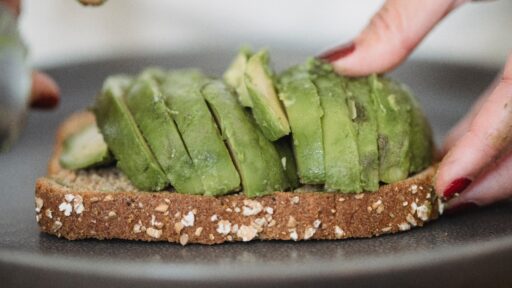
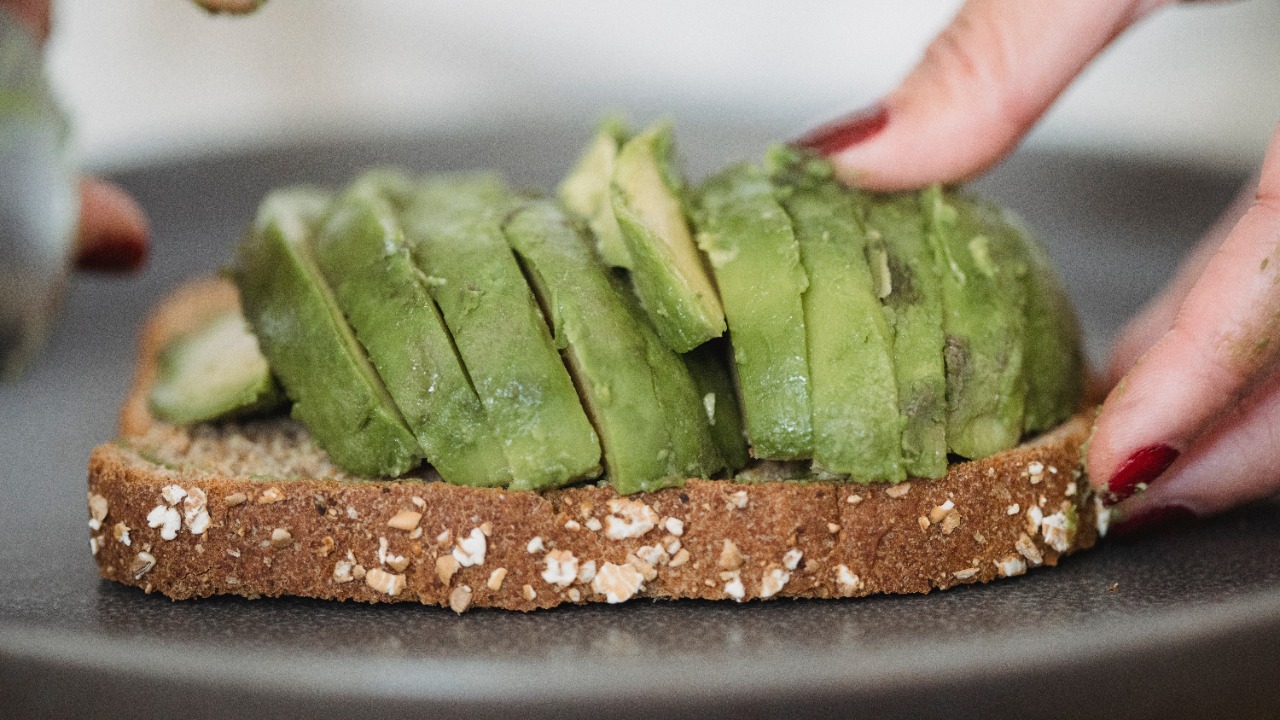

Most supermarket avocados look remarkably similar because they usually belong to the same commercially dominant variety: Hass. Their dark, textured skins, long shelf life and ability to tolerate transportation have made them ideal for large-scale international trade.
A new genetic study suggests that the familiar Hass represents only a small part of the avocado’s surviving diversity. Researchers examining trees in Nicaragua, Honduras and southern Mexico documented dozens of traditional avocado types that are genetically different from common commercial varieties.
These fruits are not newly evolved species. They are locally cultivated varieties known as landraces, shaped over thousands of years by farmers, environmental conditions and natural hybridization. Some are larger, brighter and smoother than Hass avocados, while others appear unusually well adapted to humid lowland environments.
The findings, published in the journal Plants, People, Planet, could eventually help breeders develop avocados with greater disease resistance and better tolerance of changing climates. They may also create opportunities for consumers to experience flavors, textures and appearances rarely found outside Central America.
Researchers Found a Hidden Center of Avocado Diversity
The study was led by archaeobotanist Kevin Wann, who conducted part of the research as a fellow at the Smithsonian’s National Museum of Natural History and is pursuing doctoral research at Texas A&M University.
The team collected leaf material from native avocado trees in southern Mexico, coastal Honduras and Nicaragua. In total, it analyzed DNA from 47 traditional landraces, including 32 collected in Nicaragua. Those samples were compared with previously published genetic information from more than 200 avocado lineages.
The results revealed that several lowland Nicaraguan avocados were not closely related to commercial Mexican varieties. Instead, they showed genetic connections with avocado populations farther south, particularly along the coast of present-day Colombia.
The researchers concluded that people probably carried selected avocado seeds northward from South America approximately 5,000 years ago. As the trees spread into Central America, they crossed with locally growing avocados and produced the diverse landraces that farmers continue to cultivate today. The Smithsonian’s research announcement describes the region as an overlooked center of avocado biodiversity created partly through ancient human migration.
Ancient Farmers Helped Create the Newly Documented Types
Avocados have been consumed in the Americas for more than 10,000 years. Early communities did not simply gather whatever fruit happened to be available. Over generations, they selected and replanted seeds from trees producing desirable characteristics such as larger fruit, more edible flesh, improved taste or better performance in local growing conditions.
The latest research suggests that agricultural exchange between South and Central America was more extensive than scientists once understood. Ancient communities transported not only avocados but also crops such as cacao and particular forms of maize as they migrated and traded across the region.
Once moved into new environments, avocado trees encountered different soils, rainfall patterns, temperatures and native plant populations. Natural crossing, followed by continued farmer selection, created locally adapted combinations of traits.
The discovery therefore reflects both biological evolution and human agricultural knowledge. The landraces did not emerge from a modern breeding laboratory. They survived because generations of local farmers recognized their value and continued planting them.
The full study, titled “Ethnobotanical and Genetic Assessments of Central American Avocado Landraces Reveal Novel Sources of Biodiversity and Ancient Migration Patterns”, combined genetic testing with interviews involving the people who currently grow and manage the trees.
Commercial Dependence on Hass Creates a Vulnerability
The Hass avocado succeeded commercially for good reasons. It has rich flesh, a recognizable appearance and a skin that helps protect it during storage and transportation. It can also remain on the tree for an extended period, giving producers greater control over harvesting.
Commercial Hass orchards are commonly produced through grafting. A branch or bud from a desirable Hass tree is attached to a selected rootstock, allowing the new tree to produce fruit with the same commercial characteristics.
That consistency benefits retailers and customers, but it also narrows genetic diversity. Large numbers of commercially cultivated trees carry extremely similar genetic material, meaning they may respond similarly to a new disease, pest or environmental stress.
The Smithsonian reported that more than 80% of commercially produced avocados belong to the Hass variety. When one genetic type dominates production, a threat capable of overcoming its defenses can spread through orchards with few naturally resistant trees to interrupt it.
The risk resembles the problem faced by other clonally propagated crops. Commercial bananas, for example, have become vulnerable to destructive fungal diseases partly because global production depends heavily on genetically similar Cavendish plants.
The discovery of additional avocado diversity does not mean Hass is about to disappear. It provides breeders with a broader genetic toolkit that could help prevent the avocado industry from becoming dangerously dependent on one successful variety.
Local Trees May Contain Valuable Disease-Resistance Traits
One of the most promising observations involved avocado root rot, caused by the soilborne organism Phytophthora cinnamomi. The University of California’s Integrated Pest Management program describes it as the most serious and important avocado disease worldwide.
The pathogen damages the small roots responsible for absorbing water and nutrients. Infected trees may develop pale leaves, sparse foliage, branch dieback and declining fruit production before eventually dying. Once established in an orchard, the organism is extremely difficult to eliminate.
Farmers interviewed during the new study reported that the lowland landraces had not experienced the root-rot problems commonly affecting commercial avocado trees. Some farmers were already grafting branches from commercial varieties onto local trees because the native rootstocks performed better in the region’s conditions.
That observation is encouraging, but it is not yet proof that every sampled landrace possesses complete genetic resistance. Controlled trials would be necessary to expose different trees to the pathogen, measure their responses and identify the genes or root characteristics responsible for any tolerance.
Even partial tolerance could be valuable. Breeders might use selected local trees as rootstocks, cross them with commercially desirable cultivars or identify useful genetic markers for future breeding programs. Current avocado-management guidance already encourages the use of rootstocks tolerant of major diseases and soil disorders.
Warmer and Wetter Conditions Could Increase Their Importance
The lowland avocados have developed under warm, humid conditions that differ from the higher-elevation environments associated with many export varieties. Their adaptation may contain useful clues as growers respond to shifting temperatures and rainfall patterns.
Climate resilience does not come from a single gene. A successful future variety may need to tolerate heat, intense rainfall, temporary drought, new pests and changing disease pressure while still producing fruit that stores and transports well.
Maintaining a diverse collection increases the chance that breeders can find at least some of those characteristics. The Food and Agriculture Organization explains that landraces and other plant genetic resources provide essential traits for adapting agriculture to pests, diseases, drought and climate change. It also warns that losing traditional varieties reduces the options available for future crop improvement.
The Nicaraguan avocado trees are therefore valuable even when their fruit is not immediately suitable for export. Their greatest contribution may come from traits hidden in their roots, leaves or genetic responses to environmental stress.
New Supermarket Choices Will Not Arrive Immediately
The research could eventually produce more avocado choices, but moving a local landrace into international supermarkets would require years of evaluation.
Researchers would first need to study fruit quality, flavor, nutritional composition, harvest timing and consistency. Producers would need to know whether the trees deliver reliable yields and whether the fruit can survive packing, refrigeration and long-distance transportation.
A local avocado may taste excellent when eaten near the farm but soften too rapidly for export. Its skin may bruise easily, or its tree may produce fruit irregularly. Breeding programs could combine its beneficial traits with the shelf life and commercial performance of established cultivars, but each new cross would need to be grown and tested over multiple seasons.
The term “superfood” should also be treated as a popular description rather than a scientific food category. Avocados are nutrient-dense fruits containing monounsaturated fats, fiber and various micronutrients, according to the USDA Agricultural Research Service. Different landraces may vary in their oil content, flavor and nutrient profiles, but the latest genetic study was primarily about ancestry and agricultural diversity rather than proving that one type is healthier than another.
The Newly Documented Diversity Is Already at Risk
The research comes with an urgent warning. Some Nicaraguan farmers are reportedly removing traditional avocado trees to create space for commercial varieties that have stronger export demand.
That decision can be economically understandable for individual growers, but widespread replacement could permanently eliminate genetic traits that have survived for thousands of years. Avocado seeds are also difficult to preserve through conventional seed-bank methods, making living trees and carefully managed collections especially important.
Conservation must therefore include the communities that maintained the landraces. Farmers need economic reasons to keep their traditional trees, whether through local markets, specialty products, research partnerships or payments supporting crop conservation.
The discovery’s greatest value may not be a colorful new avocado appearing in supermarkets next year. It is the realization that the future of a globally important crop may depend on trees already growing in small farms and gardens.
By preserving those trees and studying their genetics, researchers could expand consumer choice while giving commercial avocados stronger defenses against disease and environmental change. The fruit’s future may depend not on replacing Hass completely, but on ensuring that it is no longer standing alone.