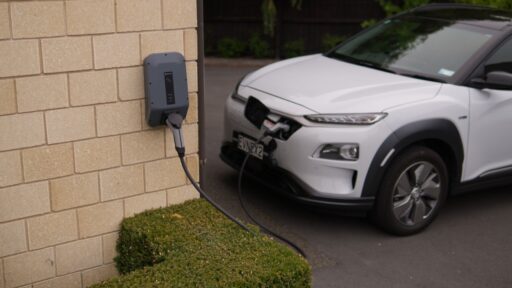
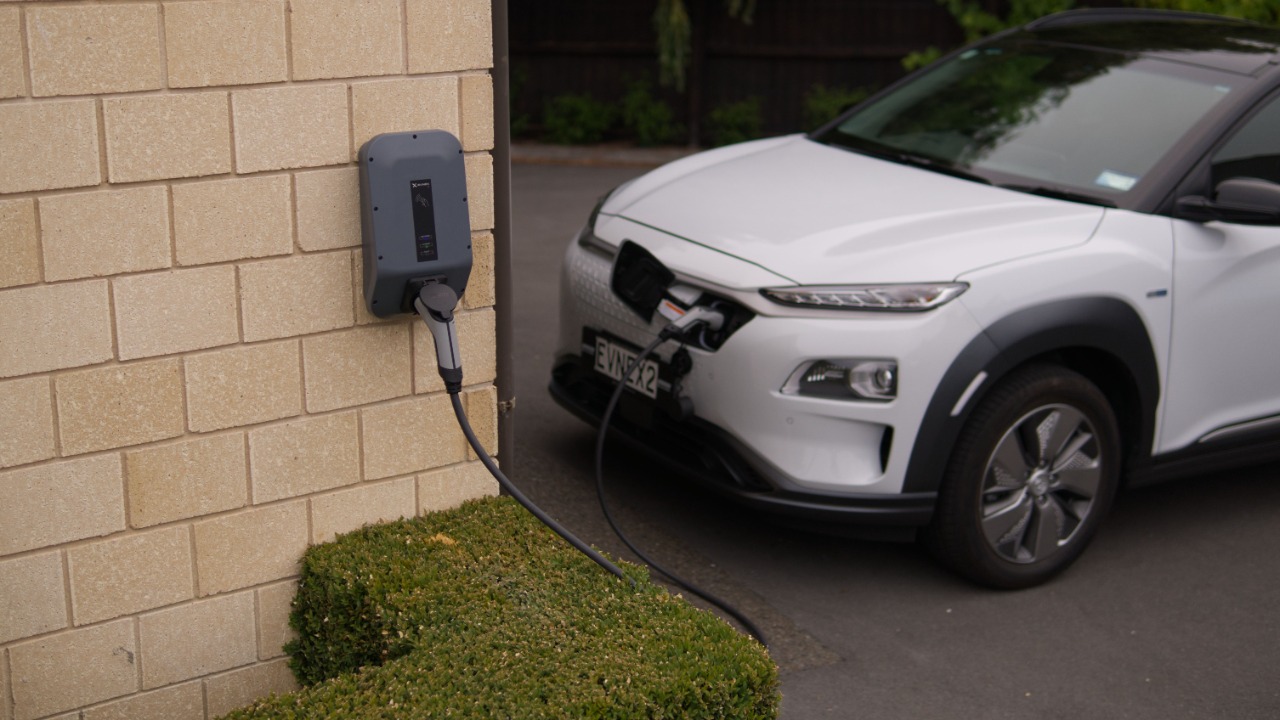

An electric vehicle can store considerably more energy than a typical portable power station. With the correct bidirectional charging equipment, some models can send that stored electricity back into a home during a blackout.
This technology is known as vehicle-to-home, or V2H. Unlike vehicle-to-load systems that power individual appliances through an outlet, a true V2H setup connects the vehicle to a home’s electrical system and can support selected circuits or, in some installations, the entire property. The U.S. Department of Energy’s bidirectional charging guide explains that a compatible EV must be paired with similarly capable charging equipment before it can discharge energy to a building.
The vehicle alone is therefore not enough. A professionally installed bidirectional charger, inverter, automatic transfer equipment and compatible electrical panel may be required. Permits and utility approval can also vary by location.
These eight vehicles offer some of the clearest home-backup options currently available or officially supported in the United States.
1. Ford F-150 Lightning
The Ford F-150 Lightning was one of the first widely available EVs marketed with automatic home-backup capability.
Ford Home Backup Power can detect an outage and allow a connected Lightning to supply electricity through a properly installed Home Integration System. Ford states that the truck can deliver as much as 9.6 kilowatts and may power an average home for up to three days when fully charged. Reducing electricity use can extend that period considerably. The company’s Home Backup Power information explains how the vehicle, charging station and home integration equipment work together.
The Lightning is particularly practical because its battery can also operate tools and appliances through the truck’s onboard outlets. That gives an owner both integrated household backup and portable power away from home.
2. Tesla Cybertruck
Tesla’s Cybertruck supports whole-home backup through the company’s Powershare system.
When connected to compatible Tesla charging and transfer equipment, the Cybertruck can automatically begin powering the home after the grid fails. Tesla says Powershare Home Backup can provide up to 11.5 kilowatts of continuous output and more than three days of backup based on household consumption of approximately 30 kilowatt-hours per day. Actual duration depends on the truck’s charge level and the number of appliances operating.
The Tesla Powershare system can support ordinary 120-volt circuits as well as larger 240-volt equipment, depending on the installation and available output. Homes with a compatible Powerwall and Wall Connector may require less additional hardware than properties starting without Tesla energy equipment.
3. Kia EV9
The three-row Kia EV9 combines family transportation with official vehicle-to-home support.
Kia has partnered with Wallbox to offer the Quasar 2 bidirectional charger for eligible EV9 owners. When paired with the required Wallbox Power Recovery Unit, power meter and professionally installed electrical equipment, the SUV can keep selected household circuits operating during a planned shutdown or unexpected blackout.
Kia states that the solution is compatible with all EV9 trims, although installation requirements, permits and availability can differ between jurisdictions. The company’s EV9 vehicle-to-home guide explains that the battery can supply lights, appliances and other household loads rather than being limited to the EV9’s external vehicle-to-load outlet.
This makes the EV9 one of the few three-row electric family vehicles with a clearly defined consumer V2H pathway.
4. Chevrolet Silverado EV
The Chevrolet Silverado EV offers one of the longest potential backup periods because of the large batteries available in its higher-range versions.
The 2026 Silverado EV is officially listed as compatible with the GM Energy PowerShift Charger and V2H Enablement Kit. That system combines a bidirectional charger with a home hub, inverter and small dark-start battery that allows backup operation to begin when the utility grid is unavailable.
GM estimates that a fully charged 2026 Silverado EV Max Range can support a properly equipped home for as long as five days under defined usage assumptions. The GM Energy vehicle-to-home overview notes that actual runtime will depend on household energy consumption, environmental conditions and the amount of energy remaining in the truck.
5. GMC Sierra EV
The GMC Sierra EV uses the same wider GM bidirectional energy ecosystem while offering a more premium electric pickup experience.
GM Energy identifies the 2026 Sierra EV as a V2H-capable vehicle. When connected through the PowerShift Charger and V2H Enablement Kit, stored electricity can be transferred into a home during a blackout.
The GM inverter can provide up to 9.6 kilowatts of backup power, and the home hub supports either whole-home or partial-home configurations. Whether every circuit can operate simultaneously will depend on the property’s electrical demand and installation design. Details of the compatible equipment are available through the GM Energy V2H Bundle.
6. Chevrolet Equinox EV
The Chevrolet Equinox EV demonstrates that home-backup capability is no longer reserved for large electric pickups.
GM officially includes the 2026 Equinox EV among the vehicles compatible with its V2H system. Its battery is smaller than the packs available in the Silverado EV, so it may not power a home for as long under the same conditions. However, it can still provide valuable emergency energy for refrigerators, lighting, internet equipment, selected outlets and other essential circuits.
The Equinox EV must be used with the GM Energy PowerShift Charger and V2H Enablement Kit. The charger by itself cannot safely power a home during an outage because the property must first be isolated from the public grid.
For households seeking a conventional electric crossover rather than a truck, the Equinox EV is one of the more accessible routes into full V2H technology.
7. Cadillac LYRIQ
The Cadillac LYRIQ brings the same emergency-power capability to a luxury electric crossover.
The 2026 LYRIQ appears on GM Energy’s official list of V2H-capable vehicles. With the required home hardware, it can discharge energy through the GM inverter and support either selected circuits or a broader household backup configuration.
The advantage is integration. Owners can use GM’s mobile energy tools to monitor household power consumption, adjust energy use and view an estimate of the remaining backup duration.
The LYRIQ may appeal to a household that wants premium comfort without giving up the resilience offered by a large rechargeable battery.
8. GMC Hummer EV SUV
The GMC Hummer EV SUV carries a very large battery, making it a potentially valuable emergency energy reserve.
GM lists the 2026 Hummer EV SUV as compatible with the PowerShift Charger and V2H Enablement Kit. Its substantial battery capacity can support household loads during an extended interruption, although running high-demand equipment such as central air conditioning, electric heating or cooking appliances will shorten backup time significantly.
The Hummer also offers onboard power for equipment outside the home, but its formal V2H compatibility is what allows it to serve as more than a portable appliance outlet.
Home Backup Requires More Than Buying the Vehicle
None of these EVs should be connected to a household through an improvised cable or ordinary generator inlet. Sending electricity into a home without approved isolation equipment can energize utility lines and place electrical workers at risk.
A qualified installer must determine whether the electrical panel, service capacity, charger location and local permitting rules support the selected system. The installer may also recommend a partial-home arrangement that prioritizes refrigeration, lighting, communications and medical equipment instead of attempting to operate every household appliance.
Backup duration should also be managed carefully. Preserving enough battery charge to drive after the outage may be more important than keeping nonessential devices running. Most systems allow the owner to establish a minimum vehicle charge level so home backup stops before the battery becomes excessively depleted.
Electric vehicles will not replace every generator or stationary home battery. However, models with genuine bidirectional charging can turn transportation equipment that normally sits unused in a garage into a major source of emergency energy.