
The United States has recorded 2,260 confirmed measles cases so far in 2026, raising fresh concerns that the country could lose the disease-elimination status it has maintained for more than two decades.
According to the latest Centers for Disease Control and Prevention measles update, 34 new outbreaks have been reported during 2026. Approximately 93% of confirmed infections, representing 2,108 cases, have been linked to outbreaks rather than isolated incidents.
The latest total places 2026 close to surpassing the entire 2025 case count, even though several months remain in the year. The rapid increase has intensified debate over vaccination gaps, sustained domestic transmission and whether the United States still meets the technical definition of measles elimination.
What Measles Elimination Actually Means
Measles elimination does not mean that the United States has permanently eradicated the virus or that no cases can occur. It means there has been no continuous domestic transmission of the same measles virus chain for at least 12 months.
Imported cases can still enter the country when travelers become infected in places where measles remains common. Elimination status can be maintained when health authorities quickly identify those cases, trace contacts and prevent the virus from spreading continuously within communities.
The United States achieved measles elimination in 2000 after decades of widespread vaccination and coordinated public health work. However, the CDC explains that the disease continues to enter the country because measles still circulates internationally, particularly among people who are not protected through vaccination.
The country’s status becomes vulnerable when one transmission chain continues for 12 months or longer. The CDC’s explanation of global measles elimination confirms that U.S. elimination status is being assessed in 2026 following extended transmission across North America.
Why the 2,260-Case Total Is So Concerning
The number of cases alone does not automatically determine whether elimination status will be withdrawn. The duration and epidemiological connection between outbreaks matter just as much.
Still, 2,260 cases represent a major warning sign because most infections are associated with outbreaks. When transmission repeatedly occurs within undervaccinated communities, health departments face a greater challenge in proving that each chain was interrupted before reaching the 12-month threshold.
The current total also shows how quickly measles can spread when it reaches groups with low immunity. By July 16, 2026, the United States had nearly reached the full-year total reported during 2025, when approximately 2,285 confirmed cases were recorded.
Public health experts are particularly concerned that recent infections are not being driven only by occasional international introductions. Evidence of continued outbreak-associated transmission suggests that the virus is finding enough susceptible people inside the country to keep moving between households, schools and communities.
Large Outbreaks Have Driven the National Increase
A major outbreak that began in South Carolina during October 2025 ultimately affected 997 people before state officials declared it over in April 2026. Most infections occurred among unvaccinated school-age children, and more than 90% were concentrated in Spartanburg County.
Although ending that outbreak was an important public health achievement, the national risk did not disappear. Other clusters and transmission chains continued contributing to the growing U.S. total.
The CDC reports that 741 outbreak-associated cases in the 2026 count came from outbreaks that began this year. Another 1,367 were connected to outbreaks that started during 2025 and continued contributing cases in 2026.
That distinction is important. Outbreaks that cross calendar years may demonstrate extended transmission, which is directly relevant when elimination status is reviewed.
Falling Vaccination Coverage Creates Openings for Measles
Measles is one of the most contagious infectious diseases. When an infected person enters a community with insufficient vaccination coverage, the virus can spread rapidly among people who lack immunity.
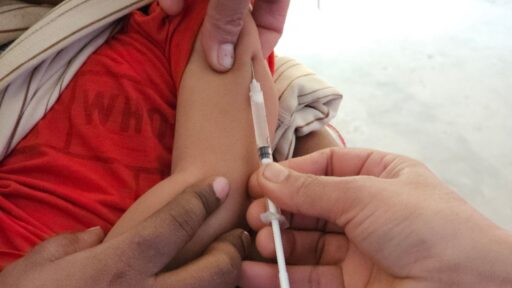
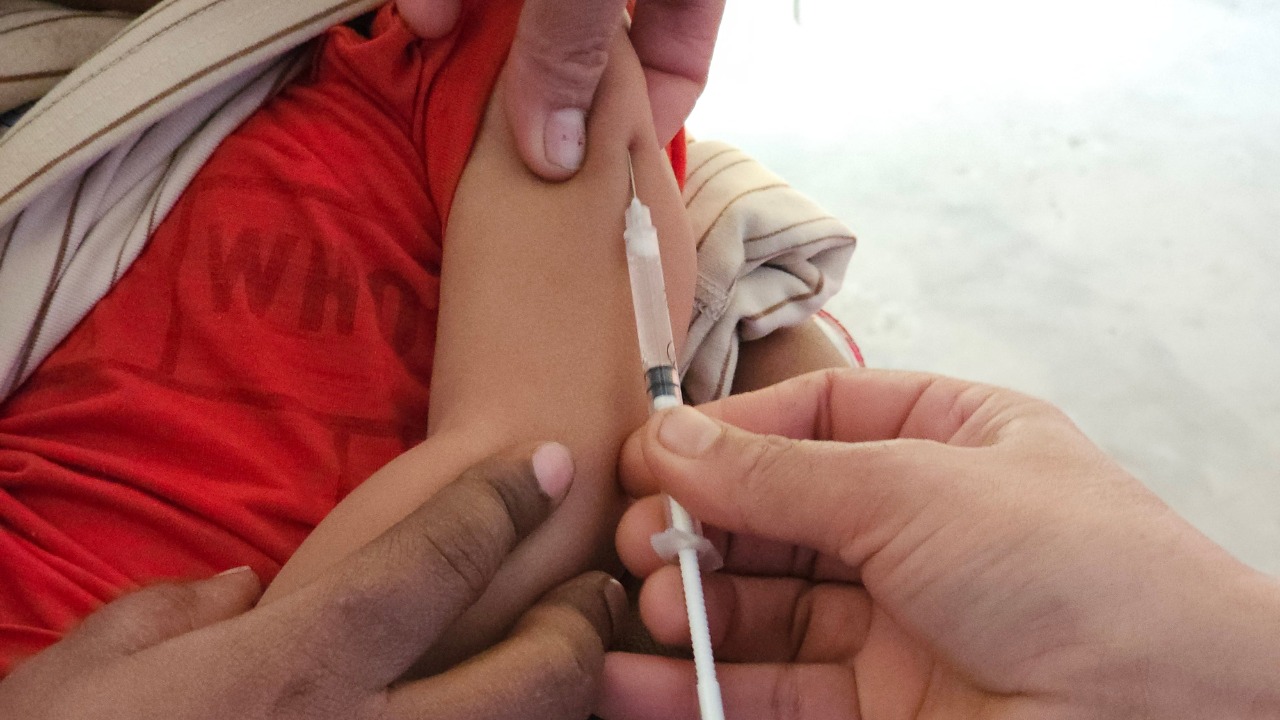
Two doses of the measles, mumps and rubella vaccine provide the strongest routine protection. Public health agencies generally aim for approximately 95% two-dose coverage because measles spreads so efficiently that even relatively small immunity gaps can support an outbreak.
Global vaccination coverage remains below that protective threshold. The World Health Organization and UNICEF estimated that 84% of children worldwide received a first measles-containing vaccine dose in 2025, while 77% received a second dose. Those levels remain well below the coverage needed to prevent repeated outbreaks.
The same problem can exist locally even when national averages appear relatively strong. A state, county, school or close-knit community may have a much lower vaccination rate than the country overall. Measles can then spread intensely inside that pocket of susceptibility.
Families can review the current U.S. vaccination recommendations through the CDC’s measles vaccination guidance. Anyone uncertain about their own or their child’s vaccination history should speak with a qualified healthcare professional rather than assuming protection based on age alone.
Measles Can Cause Serious Complications
Measles is sometimes misunderstood as a routine childhood rash, but the disease can cause severe and occasionally fatal complications.
The illness commonly begins with fever, cough, runny nose and red or watery eyes before the characteristic rash appears. Infected people can spread the virus before they realize that the rash is developing, which makes early containment difficult.
According to the CDC, approximately one in five unvaccinated people in the United States who contract measles requires hospitalization. As many as one in 20 children with the disease develops pneumonia, while roughly one in every 1,000 children develops encephalitis, or swelling of the brain.
More information about symptoms and complications is available through the CDC measles symptoms page. Anyone who believes they may have been exposed should contact a healthcare provider before arriving at a clinic or waiting room, allowing the facility to take precautions that reduce exposure to other patients.
What Losing Elimination Status Would Mean
A loss of elimination status would not suddenly change the symptoms of measles or immediately introduce new restrictions. Its significance would be both technical and symbolic.
The decision would indicate that the United States had allowed sustained domestic transmission to become reestablished after maintaining elimination since 2000. It would represent a major reversal of one of the country’s most important vaccination achievements.
Such a designation could also increase pressure on federal, state and local health departments to strengthen surveillance, improve vaccination access and respond more quickly to new cases. Outbreak investigations require extensive contact tracing, laboratory testing, public notification, isolation guidance and coordination with schools and healthcare facilities.
The Pan American Health Organization is responsible for reviewing elimination evidence in the Americas. The wider region lost its measles-free verification in November 2025 after endemic transmission was reestablished in Canada.
The U.S. review will focus on whether sustained transmission has occurred and whether health authorities can demonstrate that outbreak chains were interrupted.
The National Risk Is Serious but Not Uncontrollable
The CDC has said the risk of widespread measles across the entire United States remains relatively low because the country still has strong immunization, disease-surveillance and outbreak-response systems. However, the agency also warns that outbreaks continue to occur when the virus reaches undervaccinated communities.
That distinction matters. The country is not experiencing uniform transmission in every location, but repeated outbreaks can continue as long as significant immunity gaps remain.
The most effective response is not panic but prevention. Maintaining high two-dose vaccination coverage, identifying infections quickly and limiting exposure can interrupt transmission before outbreaks expand.
Parents should check children’s immunization records, adults should confirm their own protection when appropriate, and international travelers should review vaccination recommendations before departure. The World Health Organization’s measles fact sheet explains why two vaccine doses are recommended and how inadequate coverage continues to drive outbreaks worldwide.
The Next Few Months Could Be Decisive
With 2,260 confirmed cases already reported in 2026, the United States is approaching a critical point in its measles response.
The final decision about elimination status will depend on more than the annual case total. Investigators must determine whether continuous transmission of a related virus chain persisted for at least 12 months and whether current outbreaks have been fully interrupted.
Still, the rising numbers show that measles has regained a substantial foothold in communities where vaccination coverage is inadequate. The United States eliminated continuous measles transmission once through widespread immunization and coordinated outbreak control. Whether it preserves that achievement will depend on how effectively those same tools are applied now.