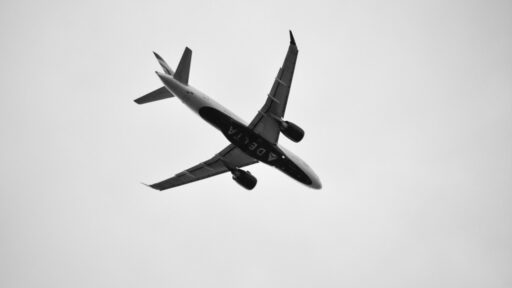
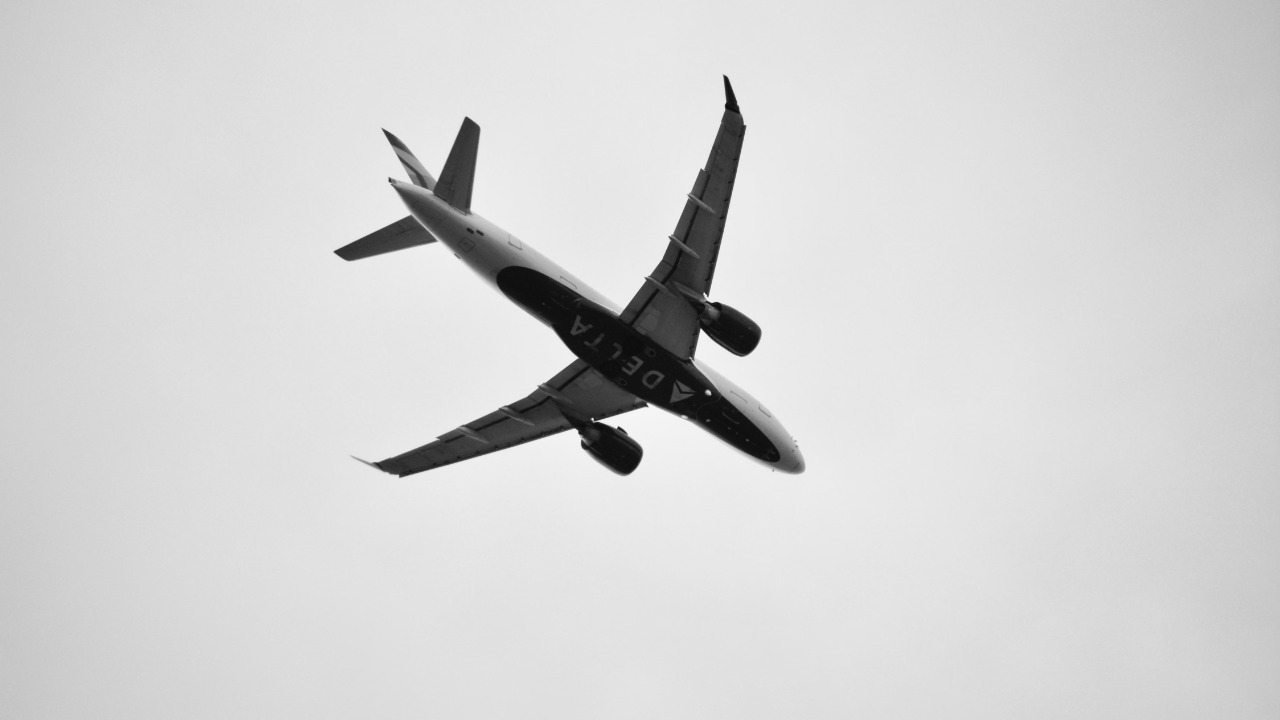

A Delta Air Lines passenger jet landed safely at Chicago Midway International Airport after the crew reported that a high-flying firework struck the aircraft moments before touchdown.
Delta Flight 1076 was descending through approximately 200 to 250 feet on the evening of July 4, 2026, when the pilots heard and felt a loud impact. The Airbus A319 continued its approach and landed safely shortly after 8:30 p.m. local time.
The aircraft was carrying 52 passengers and six crew members on a flight from Atlanta. No injuries were reported, and everyone reached the gate safely.
Pilot Reported a “Big Bang” Before Touchdown
The pilots alerted air traffic controllers immediately after the incident.
In air traffic control audio published by LiveATC, the pilot said the aircraft had been hit by a firework and reported feeling a “big bang.” The crew believed a mortar-style aerial firework may have exploded beneath or against the plane during its final approach.
The aircraft was already extremely close to the ground when the incident occurred. At an altitude of about 200 feet, the pilots had only seconds remaining before reaching the runway.
Despite the unexpected impact, the crew maintained control and completed the landing without declaring an onboard emergency or diverting to another airport.
Readers can review the Associated Press report on the Delta firework encounter, which includes details from the cockpit recording and statements from the airline and federal authorities.
The Plane Landed Safely With No Injuries
Delta confirmed that Flight 1076 landed normally and taxied to the gate after making contact with the firework.
Maintenance crews inspected the Airbus A319 following the landing. Delta said its mechanics did not find aircraft damage during the inspection.
Chicago police later told local media that the incident appeared to have caused minor paint damage, although reports differed about whether any structural or mechanical damage was discovered. The most important finding was that the aircraft remained operationally stable and no passenger or crew member was hurt.
Delta said safety personnel were reviewing the event, while the Federal Aviation Administration opened an investigation.
The FAA Is Investigating the Incident
The FAA confirmed that the pilot reported a fireworks mortar striking the aircraft shortly before it landed at Midway.
Investigators are expected to examine the flight path, aircraft inspection results, air traffic control communications and any available information about fireworks being launched beneath the approach route.
The agency has not publicly identified the person or location responsible for launching the firework. It is also unclear whether investigators will be able to determine exactly which firework made contact with the aircraft.
NBC Chicago’s report on the Midway incident notes that the investigation began after Delta confirmed the aircraft made contact with a firework while descending.
Other Pilots Reported Fireworks Near the Flight Path
The Delta crew may not have been the only pilots who encountered fireworks near Midway that evening.
In the recorded communication, an air traffic controller told the pilot that there had been multiple reports involving fireworks and that Chicago city officials were being notified.
Midway Airport is surrounded by densely populated neighbourhoods, and arriving aircraft often descend at low altitude over residential areas.
During Independence Day celebrations, illegally launched aerial fireworks can rise into or near aircraft approach paths. Mortar-style fireworks are particularly concerning because they are designed to propel explosive shells hundreds of feet into the air before detonation.
The exact height reached depends on the shell and launch tube, but professional and consumer aerial fireworks can climb high enough to create a direct hazard for low-flying aircraft.
Why Fireworks Are Dangerous Near Aircraft
A firework does not need to penetrate an aircraft’s fuselage to create a serious emergency.
An explosion near a cockpit could temporarily impair the pilots’ vision, particularly during a night landing. Smoke, sparks and bright flashes may also distract a crew during the most demanding stage of flight.
A direct impact could damage a windshield, engine, wing surface, sensor or control component. Debris entering an engine could potentially damage fan blades or disrupt normal engine operation.
The risk is greater during takeoff and landing because aircraft are close to the ground, crews have limited time to respond and there may be fewer safe options if the plane suffers damage.
Even a loud impact without significant physical damage could cause pilots to discontinue the approach or perform a go-around while they determine whether the aircraft remains safe to land.
What Is a Fireworks Mortar?
A fireworks mortar is a tube used to launch an aerial shell.
The shell is propelled upward by a lifting charge before another charge causes it to burst at altitude. Depending on the product, the resulting explosion may produce bright stars, sparks, noise and falling debris.
The Delta pilot’s reference to a mortar did not necessarily mean the physical launch tube struck the aircraft. The crew appeared to be describing a mortar-launched firework or shell that exploded near or against the plane.
Early headlines describing the aircraft as being struck by a “mortar” may therefore create confusion. Available reporting indicates that the incident involved an aerial firework rather than a military weapon.
Fireworks Near Airports Can Lead to Federal Penalties
Launching fireworks near an airport or into an active flight path can trigger serious criminal and civil consequences.
Local fireworks laws vary, but conduct that endangers an aircraft may also fall under federal aviation and criminal statutes. Authorities do not need to prove that a plane crashed before treating the behaviour as dangerous.
A person who knowingly interferes with an aircraft or creates a reckless aviation hazard could potentially face prosecution, fines and liability for damage or injuries.
The FAA provides broader information about aviation hazards and reporting through its official aviation safety resources.
Residents living near airports should never launch aerial fireworks without confirming that the activity is legal and safely separated from flight paths. A neighbourhood that appears far from a runway may still sit directly beneath an arrival or departure route.
The Flight Continued Normally After Landing
After touching down, Flight 1076 taxied to its assigned gate rather than stopping on the runway.
Passengers were able to leave the aircraft normally, and no medical treatment was reported. The plane was then examined before being returned to service or cleared for future operations.
The safe outcome reflects the aircraft’s ability to tolerate limited external impacts and the pilots’ decision to maintain a stable approach after assessing the situation.
However, the absence of injuries does not make the incident harmless. A slightly different impact location or a larger explosive shell could have produced a much more serious result.
Passengers May Not Have Understood What Happened
People inside the cabin may have heard the impact without knowing its cause.
Passengers seated away from the contact point might have experienced only a loud sound or brief vibration. Since the plane was seconds from landing, the normal noise and movement associated with touchdown may also have made the event less obvious.
Pilots generally avoid making unnecessary announcements during final approach because their attention must remain focused on landing the aircraft.
Once the plane was safely on the ground, Delta and airport officials could begin assessing what had occurred without creating panic inside the cabin.
A Rare Incident With Serious Safety Implications
Aircraft occasionally encounter birds, drones, laser strikes and other objects near airports, but confirmed contact with an aerial firework is unusual.
The Delta incident shows how private fireworks launched from residential areas can reach active airspace and threaten commercial aircraft carrying dozens of people.
It also demonstrates why reports from pilots must be investigated even when a flight lands without injuries. Identifying where the firework originated could help authorities prevent another aircraft from facing a similar hazard.
The FAA investigation will determine whether additional enforcement or safety action is appropriate. Until then, the known facts are that Delta Flight 1076 encountered a firework at extremely low altitude, the crew felt a significant impact and the aircraft landed safely with all 58 people aboard unharmed.