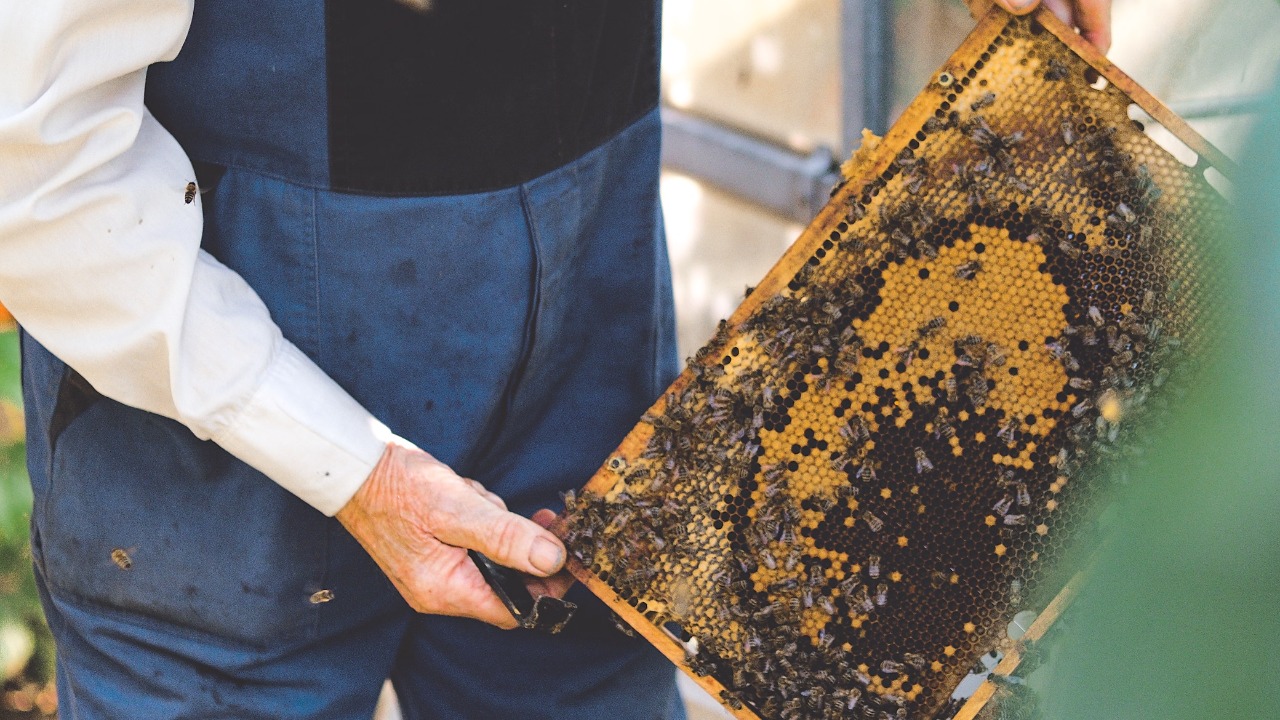

U.S. beekeepers lost an estimated 39.9% of their managed honey bee colonies between April 2025 and April 2026, extending a damaging pattern of annual losses that remains far above what many operators consider sustainable.
The latest United States Beekeeping Survey found that the national loss rate fell sharply from the exceptionally destructive previous season, but nearly four out of every 10 colonies still died over the year. Backyard beekeepers reported an estimated loss rate of 54.8%, while commercial operations lost approximately 38.7% of their colonies.
The result does not mean that 40% of all honey bees in the country have permanently disappeared. Beekeepers can rebuild their operations by dividing surviving colonies, purchasing replacement bees and introducing new queens. However, repeatedly replacing such a large share of the nation’s hives is costly, labor-intensive and increasingly difficult.
The Latest Losses Followed a Catastrophic Season
The 2025–2026 loss rate was lower than the previous year, when commercial beekeepers experienced unusually severe colony deaths.
Between June 2024 and March 2025, commercial operators reported losing an average of approximately 62% of their colonies. Early industry estimates suggested that about 1.6 million managed colonies were lost during that extraordinary collapse.
Commercial losses improved during the following survey year, falling by an estimated 17.5 percentage points. Even so, the latest 38.7% commercial loss rate remains economically painful for businesses that must keep enough healthy colonies available for pollination contracts and honey production.
Backyard beekeepers experienced a different trend. Their estimated loss rate rose by 3.4 percentage points to 54.8%, meaning smaller operators lost more than half of their colonies on average.
Why Losing a Hive Does Not Always Mean Losing the Entire Industry
Managed honey bee numbers can appear relatively stable even while annual mortality remains extremely high.
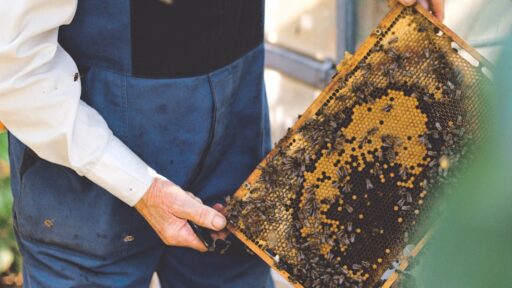
Beekeepers often replace dead colonies by splitting strong hives. A portion of the bees, brood and food reserves is moved into a new box, and a new queen is added or raised. Operators may also purchase packages of bees or complete replacement colonies.
This rebuilding process helps prevent an immediate nationwide disappearance of managed honey bees. It can also hide the severity of the problem when hive totals are measured only at one point in time.
A beekeeper who begins the year with 1,000 colonies, loses 400 and successfully replaces them may still report 1,000 colonies later. The final count looks stable, but the business has absorbed the cost of rebuilding almost half its operation.
Repeated losses also weaken the supply of strong colonies. Newly created hives may require time, feeding and treatment before they are ready to pollinate demanding crops.
Why Honey Bees Matter to the Food Supply
Honey bees are transported across the country to pollinate crops during short flowering periods.
The U.S. Department of Agriculture identifies almonds, apples, blueberries, strawberries, melons, peaches, coffee and chocolate among the foods supported by animal pollinators. Approximately 35% of global food crops depend on animal pollination to reproduce, according to the USDA.
Not every food would vanish without commercial honey bees. Wheat, rice and corn are primarily pollinated by wind, while some crops can reproduce without insects. Native bees, flies, butterflies, birds and other animals also contribute important pollination services.
However, many fruit, nut, seed and vegetable farms rely heavily on managed honey bee colonies because thousands of hives can be transported to fields and orchards exactly when crops begin flowering.
Fewer available colonies can increase pollination prices, make it harder for growers to secure enough hives and reduce the quality or quantity of fruit produced when flowers are not adequately pollinated.
Almonds Face One of the Greatest Immediate Risks
California’s almond industry creates the largest annual demand for commercial honey bee pollination in the United States.
Almond trees bloom during a short period near the end of winter, when growers need enormous numbers of healthy colonies placed throughout their orchards. Commercial beekeepers transport hives from across the country to California for this event.
The catastrophic colony deaths reported during the 2024–2025 season became especially visible as operators prepared for the almond bloom. Industry estimates indicated that growers could face a shortage of hundreds of thousands of colonies needed for pollination.
A shortage does not automatically mean the almond crop will fail. Growers may rent colonies from other regions, adjust the number of hives placed per acre or rely on stronger surviving colonies. However, these measures can raise production costs and increase uncertainty.
The financial effect can extend beyond almonds. Beekeepers often move the same colonies from California to pollinate apples, cherries, blueberries, cranberries, melons and other crops later in the year. A hive lost before almond season cannot perform those later contracts unless it is replaced successfully.
Varroa Mites Remain a Major Threat
There is no single explanation for every colony death, but the parasitic Varroa destructor mite remains one of the most serious threats facing managed honey bees.
Varroa mites attach to developing and adult bees, feed on their tissues and spread damaging viruses through the colony. A heavily infested hive may appear functional during warmer months but collapse when winter arrives.
Beekeepers can treat colonies for mites, but the process is complicated. Treatments must be timed carefully, some products cannot be used while honey intended for human consumption is present, and mites can develop resistance.
A treatment that worked several years ago may become less effective. Beekeepers therefore need to monitor mite levels and rotate approved control methods rather than relying on one product indefinitely.
Even small mistakes in timing can allow the mite population to expand rapidly before the problem becomes visible.
Poor Nutrition Can Weaken Colonies
Honey bees need access to varied pollen and nectar sources throughout the growing season.
Large agricultural landscapes may provide abundant food while one crop is flowering and very little once that bloom ends. Bees transported between monoculture farms can experience periods when the diversity or quantity of food is limited.
Pollen supplies protein, fats, vitamins and minerals needed to raise young bees. Colonies with poor nutrition may produce weaker workers and become less capable of tolerating parasites, diseases, pesticides or temperature extremes.
Drought can reduce flowering plants and nectar production. Heavy rainfall can prevent bees from foraging, while unusually warm weather can cause plants to bloom before colonies are strong enough to use them.
Climate and habitat conditions do not necessarily kill a hive by themselves. They can make colonies less resilient when other pressures arrive.
Pesticides Remain Part of the Investigation
Pesticide exposure is another concern, although the relationship between a specific chemical and a colony’s death can be difficult to prove.
Bees can encounter insecticides directly while visiting treated plants. They may also carry contaminated pollen or nectar back to the hive, where exposure continues over time.
Some chemicals can kill bees immediately at high doses. Lower exposures may affect navigation, learning, reproduction or immune function without producing a dramatic pile of dead bees outside the hive.
Fungicides and herbicides can also contribute indirectly. Herbicides may reduce flowering plants available to bees, while combinations of agricultural chemicals may produce effects that are difficult to predict from testing one substance alone.
The USDA and university researchers have continued investigating the interaction among pesticides, parasites, pathogens, nutrition and environmental stress following the extraordinary 2024–2025 losses.
Colony Losses Are Usually Caused by Several Pressures
The current crisis is not simply a return of the unexplained Colony Collapse Disorder that attracted widespread attention beginning in 2006.
Modern colony deaths can involve recognizable combinations of Varroa mites, viral infections, queen failure, starvation, pesticide exposure and weather stress. The precise mixture may differ from one apiary to another.
A colony weakened by poor nutrition may be less able to tolerate a virus. A high mite population can spread that virus more effectively. A cold period or transportation stress may then push the already weakened hive beyond recovery.
This layered pattern makes prevention difficult. Solving one problem does not guarantee that the colony will survive every other pressure.
High Losses Place Financial Pressure on Beekeepers
Replacing a dead colony involves far more than buying new bees.
Operators may need new queens, feed, medications, labor and transportation. Replacement colonies can also miss valuable pollination or honey-production opportunities while they grow.
Earlier estimates connected the extraordinary 2024–2025 losses with hundreds of millions of dollars in direct colony replacement costs and lost pollination opportunities. One industry assessment conservatively valued more than 1.1 million lost colonies at approximately $224.8 million based only on a $200 replacement cost per hive, excluding labor, feed and treatment.
Smaller beekeepers may leave the industry when rebuilding costs become too high. Large commercial businesses may survive but pass some of their increased costs to growers through higher pollination fees.
Growers can then face higher production expenses, which may eventually affect food prices. The effect on shoppers is unlikely to appear as an immediate empty shelf, but persistent pollination shortages can contribute to higher costs and less reliable crop yields.
Native Pollinators Cannot Simply Replace Every Managed Hive
Wild bees and other insects are vital to agriculture and ecosystems, but they cannot always replace the role played by commercial honey bee operations.
Native pollinators may be highly efficient on particular crops. Bumblebees, for example, can perform buzz pollination that is especially useful for tomatoes and blueberries.
However, wild populations cannot be packed into trucks and moved by the millions to a large orchard during a two-week flowering window.
The most resilient system includes both healthy managed honey bees and strong native pollinator populations. Habitat restoration, reduced pesticide exposure and diverse flowering plants can support both groups.
What Farmers and Beekeepers Can Do
Better Varroa monitoring remains essential. Beekeepers need reliable information about mite levels before deciding when and how to treat.
Farmers can reduce exposure by avoiding insecticide applications while bees are actively foraging or crops are in bloom whenever product instructions and pest conditions allow. Clear communication between growers, pesticide applicators and beekeepers can give operators time to protect or relocate colonies.
Planting flowering cover crops, hedgerows and native plants can provide food outside the main crop’s short bloom. Even relatively small habitat areas may help colonies when the surrounding landscape offers few alternatives.
Researchers are also working on disease-resistant bees, improved mite treatments, better diagnostic tools and breeding programs focused on colony survival.
What Consumers Should Understand
The latest 39.9% loss figure is serious, but it does not mean the United States will suddenly run out of food or honey.
Commercial beekeepers have become highly skilled at rebuilding colonies and moving them wherever pollination is needed. Their success is one reason shoppers may not immediately notice how unstable the system has become.
The concern is that annual losses near 40%, and occasional seasons above 60% for commercial operators, require constant emergency rebuilding. Each cycle increases costs and leaves less room for another disease outbreak, extreme-weather event or pollination shortage.
The official 2025–2026 United States Beekeeping Survey provides the latest colony-loss estimates. Additional information about the relationship between pollinators and food production is available through the USDA’s pollinator guidance and the Bee Informed Partnership.
The loss of four in every 10 managed colonies is not an immediate collapse of the food system. It is a warning that the people and insects supporting many of America’s most valuable crops are operating under sustained pressure.