
Samsung will unveil its next generation of foldable phones on July 22, putting the company back in the spotlight before Apple is expected to enter the folding-phone market. The event, called Galaxy Unpacked, will stream live from London at 9 a.m. EDT, 2 p.m. BST, and 3 p.m. CEST.
Samsung’s official invitation says “A New Shape Unfolds”, a phrase clearly designed to signal more than a routine phone refresh. The company says the event will reveal new additions to the Galaxy portfolio, combining intelligent capabilities with innovative form factors for the AI era.
That language matters because Samsung already dominates the mainstream foldable category. If it is now teasing a “new shape,” the company may be preparing to add a third foldable design alongside the familiar Galaxy Z Fold and Galaxy Z Flip lines.
What Samsung Is Expected to Announce
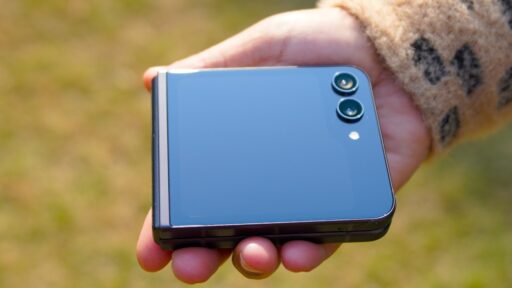
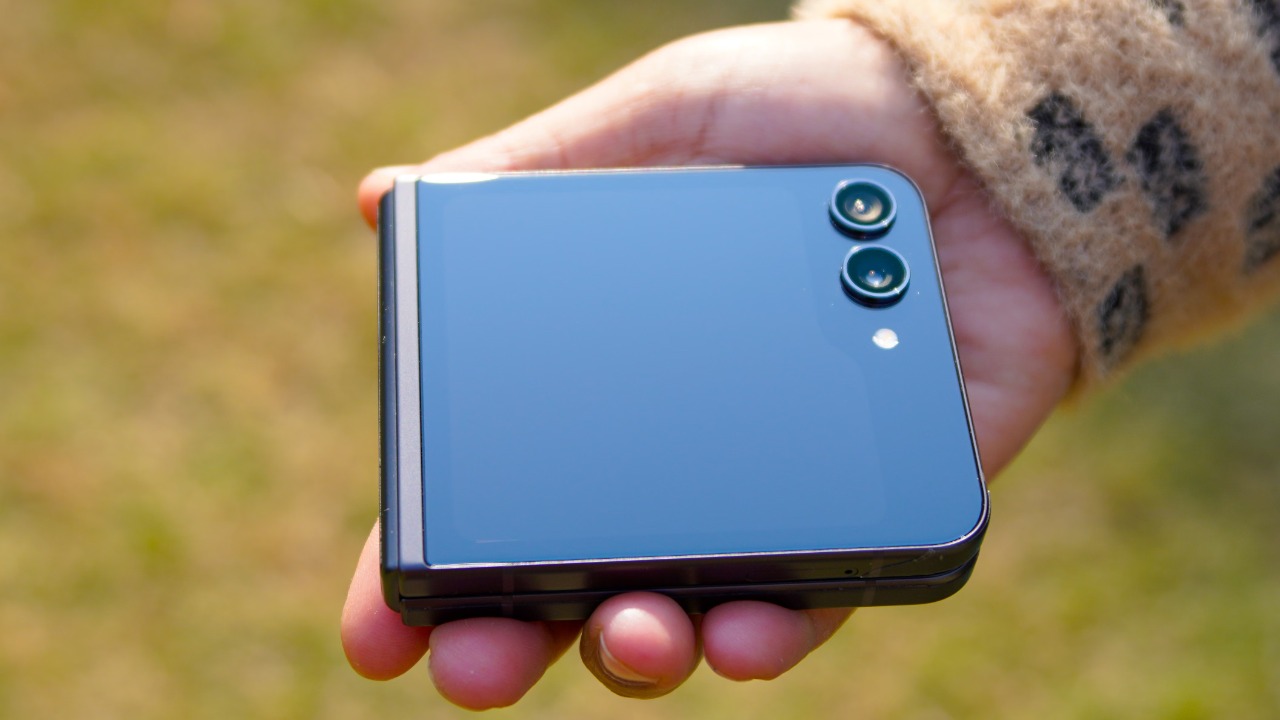
Samsung is expected to reveal successors to its current book-style and clamshell-style foldables, likely the Galaxy Z Fold 8 and Galaxy Z Flip 8. The Fold line opens like a small tablet, while the Flip line folds vertically into a compact square shape.
The more interesting rumor is a new wider foldable device. The Verge reported that Samsung’s teaser points to a shorter, broader foldable form factor that would sit apart from the company’s existing Fold design. The event invitation’s silhouette suggests a device shaped more like a small notebook or passport-style screen rather than a tall narrow phone that unfolds into a tablet.
That kind of design would be important because many users still complain that book-style foldables feel too narrow when closed and too awkward when opened. A wider shape could make the cover screen feel more like a normal phone while giving the inner display a more natural tablet-like canvas.
Why the Timing Is Strategic
Samsung’s July 22 launch is not happening in isolation. Apple is widely expected to be working on its first foldable iPhone, with industry reports pointing to a launch window around late 2026 or 2027. Samsung appears determined to strengthen its position before Apple arrives.
A Los Angeles Times report said Samsung is expected to debut incremental updates to the Galaxy Z Fold and Z Flip while adding a shorter, wider foldable variant to the lineup. That third option could help Samsung answer the exact form factor Apple is rumored to be studying.
This is classic competitive timing. Samsung wants to remind buyers, carriers, developers, and reviewers that it has years of foldable experience before Apple gets its first chance to define the category for iPhone users.
Apple’s First Foldable Is the Shadow Over the Event
Apple has not officially announced a foldable iPhone. The company has not confirmed a design, launch date, screen size, or price. Still, Apple’s expected entry is reshaping the conversation because iPhone adoption can change an entire product category.
MacRumors’ foldable iPhone roundup says Apple’s first foldable is expected to use a book-style design and may include an inner display around 7.8 inches, with a launch expected in 2026 according to some reports. Other supply-chain reports suggest delays could push broader availability into 2027.
That uncertainty gives Samsung an opening. If Samsung can launch better hardware now, it can spend the next year building a stronger installed base, improving software, and convincing premium-phone buyers that they do not need to wait for Apple.
Why Apple Could Still Change the Market
Samsung has been selling foldables for years, but Apple has a different kind of influence. The iPhone often enters a category later than competitors, then pushes it into the mainstream by simplifying the experience, attracting app developers, and making carriers and accessory makers align around the product.
That happened with smartphones, tablets, smartwatches, and wireless earbuds. Apple was not first in all of those categories, but it shaped user expectations.
If Apple launches a foldable iPhone, it could bring millions of iOS users into a form factor they previously ignored. It could also pressure app developers to optimize layouts for folding screens and force competitors to rethink pricing, durability, and software polish.
Samsung’s Advantage Is Experience
Samsung’s strongest advantage is that it has already lived through the hard early years of foldables. The first Galaxy Fold was delayed after reviewers found durability problems. Since then, Samsung has improved hinge design, display layers, water resistance, cover screens, multitasking, camera systems, and software.
That experience matters. Foldables are mechanically more complex than slab phones. They have hinges, flexible display layers, crease-management issues, dust concerns, battery-layout challenges, and durability questions that normal phones do not face.
Apple may bring polish, but Samsung has years of repair data, user feedback, and engineering lessons. The July 22 event is Samsung’s chance to turn that experience into a more mature product lineup.
Why a Wider Foldable Could Matter
A wider foldable could solve one of the biggest criticisms of Samsung’s Fold series. The current Fold design has often used a tall, narrow cover screen. Some users like it because it is easy to hold, but others find typing and app use cramped compared with a normal phone.
A shorter, wider design could make the outer display more practical for everyday use. Users could reply to messages, browse, take photos, and use apps without opening the phone as often. When opened, the device could feel more like a compact tablet or small notebook.
This is likely why Samsung’s teaser is drawing attention. A new shape could be more than cosmetic. It could change how people actually use foldables during the day.
Why Foldables Still Have Not Gone Fully Mainstream
Foldable phones remain premium products. They are expensive, fragile-looking to some buyers, thicker than normal phones, and often come with battery or camera compromises compared with flagship slab phones. Many people still worry about screen creases, hinge wear, repair cost, and long-term durability.
Samsung has improved these issues, but price remains a barrier. A foldable often costs far more than a standard flagship phone. That makes buyers ask whether the larger screen is worth the extra money.
Apple’s entry could validate the category, but it could also make price expectations even higher. Some reports suggest Apple’s first foldable could cost far above a standard iPhone Pro Max, possibly making Samsung’s pricing look more competitive by comparison.
AI Is Now Part of the Foldable Pitch
Samsung’s invitation mentions intelligent capabilities, and Galaxy AI is likely to be a major part of the July 22 presentation. Foldables give AI features more room to work because the larger inner display can show summaries, translations, editing tools, split-screen tasks, and productivity workflows more comfortably.
For example, a user could hold a video call on one side while viewing notes on the other. A student could summarize a document while taking handwritten notes. A traveler could run live translation while checking maps or messages. A creator could edit photos on the larger screen with AI-powered tools.
This is where foldables may become more than novelty devices. A bigger, flexible screen can make AI assistance feel more useful because the phone has space to show context and results at the same time.
Why Software May Decide the Winner
Hardware attracts attention, but software decides whether people keep using foldables. Apps must resize smoothly. Multitasking must feel natural. The transition between cover screen and inner screen must be reliable. Keyboard placement, camera preview, video playback, note-taking, and split-screen modes must feel polished.
Samsung has improved Android foldable software over several generations. Google has also pushed Android support for large screens and foldables. But app consistency remains uneven because developers do not always optimize for foldable layouts.
Apple may have an advantage if it can persuade iOS developers to support a foldable screen quickly. Samsung’s advantage is that it already has devices in users’ hands and can keep improving through One UI and Android updates.
The Watch and Ecosystem Angle
Samsung may also announce updated Galaxy Watch models at the July 22 event. The Verge reported that new standard and Ultra watches are expected alongside the phones. That matters because Samsung is not selling foldables alone. It is selling a Galaxy ecosystem.
Foldables, watches, earbuds, tablets, laptops, and AI services all reinforce one another. A user who buys a Galaxy foldable may also use a Galaxy Watch for fitness tracking, Galaxy Buds for audio, and Samsung tablets or laptops for productivity.
Apple’s strength has always been ecosystem lock-in. Samsung knows it needs its own version of that story, especially before Apple brings a foldable iPhone into the iPhone, Apple Watch, AirPods, iPad, and Mac ecosystem.
Why Carriers Will Pay Attention
Foldables are expensive, so carrier deals matter. Trade-in offers, installment plans, preorder credits, and bundle promotions can make a high-end foldable feel more affordable. Samsung has already opened pre-reservations for the July 22 event, with promotional credits and trade-in offers in some markets.
Carriers also want premium devices because they drive upgrades, 5G plan adoption, accessories, insurance plans, and long-term customer retention. A new foldable shape gives carriers something fresh to market during the second half of the year.
If Samsung can create excitement before Apple’s foldable arrives, carriers may promote Galaxy foldables more aggressively.
Why Foldables Are Also a Status Product
Foldable phones are still partly status devices. They are expensive, visible, and different. Opening a phone into a mini-tablet still attracts attention in public. For some buyers, that novelty is part of the appeal.
Samsung needs to convert that novelty into everyday usefulness. A status product can generate early sales, but a mainstream product must solve real problems. Better typing, better multitasking, better reading, better gaming, better video, better camera previews, and better AI tools can make the form factor feel necessary.
That is the challenge for the July 22 launch. Samsung must show that foldables are not only cool. They are useful enough to justify their price.
The Durability Question Will Not Go Away
Every foldable launch faces the same question: will it last? Flexible displays have improved, but consumers still worry about scratches, creases, hinge dust, drops, repairs, and resale value.
Samsung will likely emphasize stronger hinges, improved materials, water resistance, display durability, and long software support. Buyers will want real evidence, not just marketing claims. Reviewers will test hinge feel, crease visibility, cover-screen usability, battery life, camera performance, and repairability.
Apple’s future foldable will face the same pressure. In fact, Apple may have waited this long partly because it wants the display and hinge technology to mature before entering.
Why Samsung Cannot Only Be First
Samsung was first to make foldables mainstream, but being first is not enough. The company must now prove it can stay ahead as competitors improve. Chinese phone makers have launched thinner, lighter, wider, and more camera-focused foldables. Google has its Pixel Fold line. Apple is coming.
Samsung’s next challenge is differentiation. A normal Fold refresh may not be enough. That is why a new wider device could be so important. It gives Samsung a fresh story before Apple’s first foldable dominates headlines.
If the new device feels like a real improvement, Samsung can claim it is still leading. If it feels like a minor variation, Apple’s shadow will grow larger.
What Buyers Should Consider
People thinking about buying a foldable should wait for the July 22 event before making a decision. Samsung may introduce new models, lower prices on older foldables, or offer stronger trade-in deals. Buyers should compare battery life, weight, thickness, camera quality, cover-screen size, inner-screen usability, repair coverage, water resistance, and software support.
People who are already committed to the Apple ecosystem may want to wait for clearer foldable iPhone information. But waiting could mean another year or more, and the first Apple foldable may be very expensive.
Android users who want a foldable now may find Samsung’s next lineup more compelling, especially if the wider design solves the narrow-cover-screen complaint.
Why This Launch Could Define the Next Phase
The first phase of foldables was about proving flexible screens could survive. The second phase was about improving the hinge, software, and cover screens. The next phase may be about finding the ideal shape and connecting foldables to AI workflows.
Samsung’s “A New Shape Unfolds” line suggests the company knows the category needs a new spark. Apple’s expected entry makes that urgency even stronger.
If Samsung gets the shape right, it can enter Apple’s foldable era as the experienced leader rather than the company waiting to be challenged.
Final Takeaway
Samsung will unveil its next foldable phones at Galaxy Unpacked on July 22, with the official teaser promising that “A New Shape Unfolds.” The company is expected to reveal new Galaxy Z Fold and Z Flip models, along with a possible wider foldable design that could sit between a phone and a small tablet.
The timing is strategic because Apple is expected to launch its first foldable iPhone in the 2026 or 2027 window, depending on production and supply-chain reports. Samsung wants to strengthen its foldable lineup before Apple enters and reshapes consumer expectations.
The July 22 event is therefore more than another phone launch. It is Samsung’s attempt to prove that it still leads the foldable category, that new form factors can make AI phones more useful, and that buyers should not wait for Apple to decide what a folding phone should be.