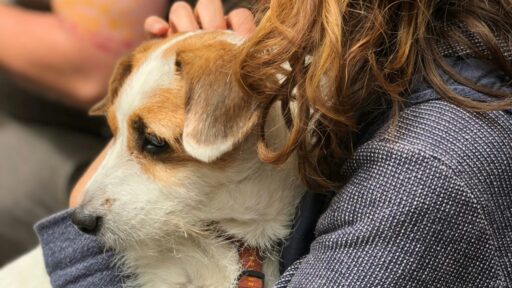
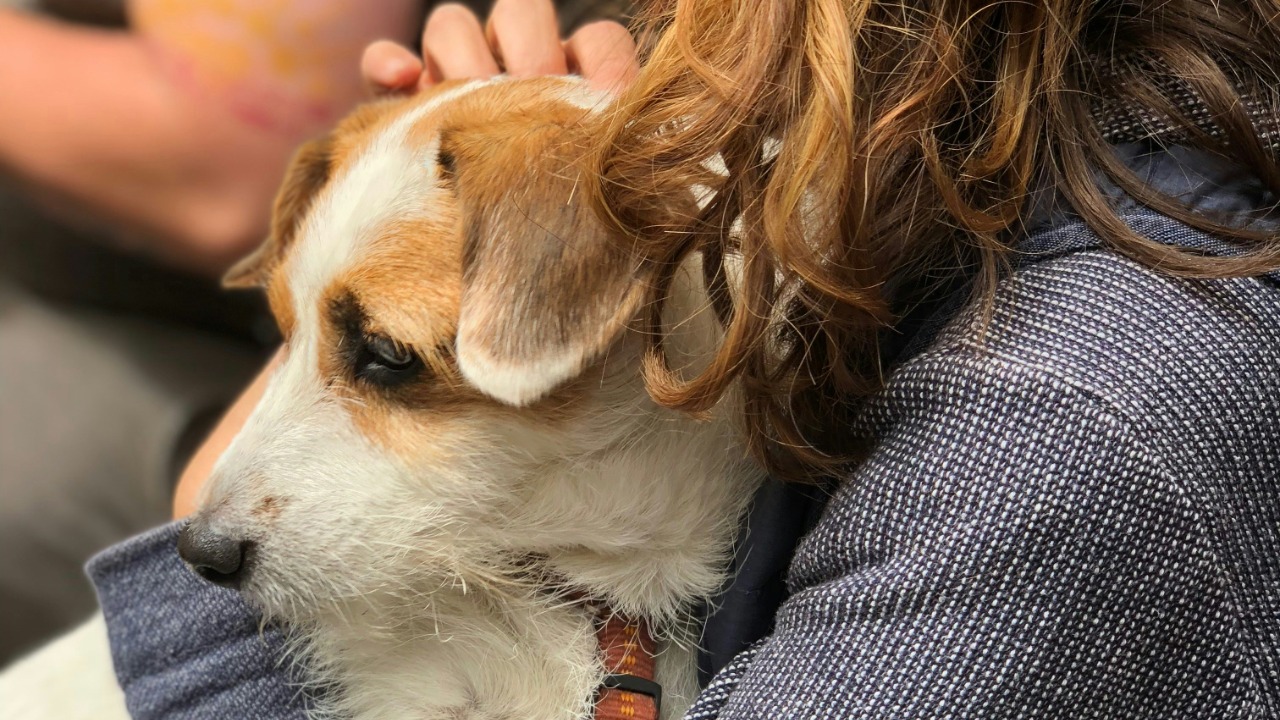

Scammers are now using AI-generated pet photos to trick worried owners into paying fake rescue fees, fake vet bills, or fake rewards after a dog or cat goes missing. The scam is especially cruel because it targets people at one of their most emotional moments: the first hours or days after a beloved pet disappears.
The scheme usually begins when an owner posts a missing-pet notice on Facebook, Nextdoor, community groups, lost-pet websites, or neighborhood apps. The post often includes the pet’s name, photos, description, last-seen location, and contact information. Scammers scrape those details, use AI tools to create convincing fake images of the animal, and then contact the owner claiming they found the pet.
A 2026 warning reported by CT Insider described scammers manipulating photos of missing pets from social media to create fake images of animals injured, lying on veterinary tables, or appearing to need urgent care. The scammers then demand immediate payment from distressed owners, often claiming the money is needed for treatment, transport, boarding, or release.
How the Scam Works
The scam works because lost-pet posts are emotional and public. Owners naturally want as many people as possible to see the missing animal, so they share detailed photos and contact information widely. Scammers use that openness against them.
After finding a post, the scammer may call or text pretending to be a veterinarian, animal rescuer, shelter worker, neighbor, delivery driver, or Good Samaritan. They may say the pet was hit by a car, found injured, taken to a clinic, or being held by someone who wants money before returning it.
Then comes the pressure. The scammer sends an AI-generated image that looks like the missing pet. The image may show the animal in a crate, on an exam table, wrapped in bandages, or lying beside medical equipment. The scammer demands payment through Zelle, Cash App, Venmo, gift cards, cryptocurrency, or another fast payment method that is hard to reverse.
Why AI Makes the Scam More Convincing
Older lost-pet scams often relied only on vague claims. A scammer might say, “I found your dog,” but fail when asked for proof. AI has changed that. Now scammers can take a real photo of a missing pet and generate a new image that appears to show the same animal in a different location or condition.
This is powerful because pet owners recognize markings, fur color, face shape, and collars. When a fake image looks close enough, emotion can override skepticism. A frightened owner may think, “That looks like my dog,” and pay quickly before asking more questions.
Security company Bitdefender warned that scammers are using AI-generated images of lost pets to make fake rescue stories more believable. The company described cases where criminals monitor social media and community apps, then use fabricated images to demand money for supposed veterinary care.
A Real Case Shows the Emotional Trap
One Florida family nearly lost thousands of dollars after their 11-year-old beagle mix, Archer, went missing. According to People, the owner received a call from someone pretending to be a veterinarian who claimed the dog had been hit by a car and needed urgent surgery.
The scammer sent AI-generated images of a dog resembling Archer on an operating table and demanded $2,746 through Zelle or CVS gift cards. The family became suspicious after noticing details that did not match, including inconsistencies in the dog’s fur pattern and medical images that did not make sense.
The good news is that Archer was later found alive with help from a neighbor. But the case shows how quickly a lost-pet search can turn into a financial scam when criminals exploit panic, love, and uncertainty.
Why Scammers Use Urgency
Urgency is the engine of the scam. The scammer does not want the owner to think, verify, call around, or ask for proof. They want the owner to panic and pay.
They may say the pet will die without immediate surgery. They may claim the clinic cannot start treatment until a deposit is paid. They may say the animal shelter will euthanize the pet if money is not sent. They may threaten to release the animal somewhere unsafe. They may claim another person wants the pet unless the owner pays first.
These pressure tactics are common across many scams. The Federal Trade Commission warns that scammers often create believable stories and pressure people into sending money or personal information before they have time to verify the claim.
Why Payment Method Is a Red Flag
Scammers usually demand payment methods that are fast and difficult to recover. Gift cards are one of the biggest warning signs. A real veterinarian, shelter, or animal rescue will not normally demand payment through gift cards. Cryptocurrency is another major red flag. Peer-to-peer payment apps can also be risky if the recipient is not verified.
The Better Business Bureau has warned pet owners to be cautious if someone claims to have a missing pet and demands money before allowing verification. BBB recommends asking for proof, requesting a current photo, and watching for defensive behavior or excuses.
A legitimate finder should be willing to share a live video, meet safely, call from a verifiable number, or contact local animal control. A scammer will usually avoid anything that proves the pet is actually in their possession.
How to Spot an AI-Generated Pet Photo
AI-generated images can be convincing, but they often contain small mistakes. The pet’s markings may be slightly wrong. The collar may disappear, change color, or appear distorted. Fur patterns may not match the original photos. Paws, ears, eyes, whiskers, teeth, or shadows may look strange. Background objects may blur unnaturally. Medical equipment may appear fake, melted, or nonsensical.
In some images, the pet may look too clean, too posed, or too similar to a dramatic stock image. In others, the animal’s body proportions may be slightly wrong. A dog’s face may resemble the missing pet while the body shape does not match.
Still, people should not rely only on visual inspection. AI images are improving quickly. The safest response is to demand real-time verification before sending money.
Ask for a Live Video Call
A live video call is one of the strongest ways to verify a claim. Ask the person to show the pet in real time and say something specific during the call, such as the current date, your pet’s name, or the name of your city. A scammer using a fake image will usually refuse.
If they claim they are at a veterinary clinic, ask for the clinic name and phone number. Then search for the clinic independently and call the official number yourself. Do not rely on a phone number the caller gives you. Scammers can spoof numbers or create fake contact details.
If they claim to be with animal control, a shelter, or a rescue group, call the official public number. Real organizations should be willing to verify whether they have your pet.
Use a Secret Detail in Lost-Pet Posts
When posting about a missing pet, include enough information to help people identify the animal, but hold back one or two private details. For example, do not disclose every marking, scar, tooth issue, collar detail, microchip detail, or behavior trait.
If someone claims to have the pet, ask about the hidden detail. A real finder may be able to answer. A scammer who only copied public photos may not.
This does not guarantee safety, but it adds a useful verification layer. Many lost-pet experts recommend keeping at least one identifying feature private so owners can separate real leads from fake ones.
Be Careful With Public Phone Numbers
Many owners include a phone number in missing-pet posts because they want fast contact. That can help honest finders, but it also exposes owners to scam calls and texts. A safer approach may be to use a dedicated email address, a lost-pet platform messaging system, or a temporary phone number.
If you do post a phone number, be prepared for scam attempts. Save screenshots, record details, and do not send money without proof.
Scammers may also use information from the post to sound convincing. If your post says “Milo is scared of loud noises,” the scammer may repeat that detail to build trust. Just because someone knows your pet’s name or behavior does not mean they found the pet.
Microchips Still Matter
A microchip is one of the best tools for recovering a lost pet. It does not track location like GPS, but it helps shelters, veterinarians, and animal control identify the owner when a pet is found.
Owners should make sure the microchip registration is current, including phone number, email, and address. A chip with outdated contact information can slow reunification.
The American Veterinary Medical Association explains that microchips help reunite lost pets with families, but registration information must be kept up to date. A scammer may claim a pet was scanned, but a real shelter or clinic should be able to explain the process through official channels.
Why Lost-Pet Groups Are Targets
Community lost-pet groups are valuable because they mobilize neighbors quickly. But scammers know these groups are full of emotional people, public photos, and reward offers. They may join groups specifically to monitor new posts.
Admins can help by warning members about scams, removing suspicious accounts, requiring proof before posting “found pet” claims, and reminding owners not to pay upfront. Group members can also help by flagging suspicious comments that say things like “message this recovery expert” or “this drone team found my pet.”
Some scams promote fake pet detectives, fake drone searches, or fake tracking services. They may ask for an upfront fee and then disappear.
Beware of Fake Pet-Recovery Services
Not all pet-recovery services are fake. Some legitimate trackers, drone teams, and search groups do help families find missing animals. But scammers impersonate these services because owners are desperate.
Before hiring anyone, verify their business, reviews, references, local presence, and payment terms. Be suspicious of anyone who guarantees recovery, demands immediate payment, refuses to provide proof of past work, or contacts you unsolicited seconds after your post goes live.
A real professional should be willing to explain their process clearly and should not pressure you with fear.
Report the Scam
If someone tries to scam you using fake pet photos, save the messages, phone numbers, usernames, payment handles, images, and any call details. Report the account to the platform where the scam began. If money was sent, contact the payment service immediately.
U.S. consumers can report scams to the FTC at ReportFraud.ftc.gov and internet-related fraud to the FBI Internet Crime Complaint Center. Local police or animal control may also want to know if scammers are targeting residents in the area.
Reporting matters because these scams often target multiple families in different states. A single report may help investigators connect a pattern.
What to Do If Your Pet Goes Missing
The first hours matter. Search the immediate area calmly, especially hiding places close to home. Contact local shelters, veterinarians, animal control, and microchip registry services. Post clear photos and last-seen details, but keep one identifying feature private.
Use multiple channels, including neighborhood groups, lost-pet websites, flyers, and local community pages. Ask neighbors to check garages, sheds, porches, under decks, and security-camera footage. For cats, search quietly at dawn and dusk because many lost cats hide nearby.
While sharing widely, stay alert for scams. Real leads should welcome verification. Fake leads usually demand money first.
Why This Scam Feels So Effective
This scam works because it mixes three powerful forces: grief, hope, and technology. A missing pet creates panic. AI creates fake proof. Fast payment apps make money easy to send and hard to recover.
A worried owner may not be thinking like a scam investigator. They may be thinking like a parent trying to save a family member. Scammers know that and design the entire script around emotion.
That is why prevention needs to be simple. Do not pay before verifying. Ask for live proof. Call official numbers independently. Keep one private identifying detail. Avoid gift cards and crypto. Report suspicious contacts.
Final Takeaway
Scammers are cloning stolen pet photos with AI to trick worried owners into paying fake rescue fees, fake veterinary bills, or fake recovery charges. They scrape missing-pet posts from social media, create convincing images of the animal in distress, and pressure owners to send money immediately.
The scam is cruel because it targets people who are already scared and desperate. But owners can protect themselves by demanding live video proof, calling clinics or shelters through official numbers, keeping a private identifying detail out of public posts, avoiding gift cards or crypto payments, and reporting suspicious messages.
AI can now make a fake pet photo look real, but a real finder should be able to verify the animal in real time. Before paying anyone, slow down, check the story, and make sure hope is not being used against you.