
A freight train derailment in eastern Pennsylvania triggered a shelter-in-place order after emergency crews flagged the risk of hazardous materials, briefly turning a suburban community into a hazmat response zone. Residents were told to stay inside, close windows, and avoid the area until investigators could confirm what was in the damaged rail cars and whether any chemicals had leaked.
The episode ended without reported injuries but rattled a region that has watched other rail disasters unfold and raised new questions about how well towns along busy freight corridors are prepared for the next hazardous cargo emergency.
What changed in Pennsylvania when the freight train left the tracks
The derailment involved a freight train traveling through Bucks County, where multiple cars jumped the tracks and piled up near homes and businesses. Local officials quickly treated the crash as a potential hazardous materials incident after learning that some of the derailed cars were listed as carrying chemical products. According to early reports, responders arrived to find several cars off the rails and debris scattered along the right of way, prompting a rapid move to secure the scene and halt rail traffic on the line.
Authorities issued a shelter-in-place directive for nearby neighborhoods, instructing people to remain indoors until hazmat teams could evaluate the risk. The order applied to a defined radius around the crash site, where first responders were concerned that a release of fumes or a fire could threaten public health. Dispatchers advised residents to shut windows and doors and to avoid using anything that might pull outside air into their homes, a standard precaution when the contents of wrecked tank cars are not yet fully understood.
Hazardous materials crews arrived with air-monitoring equipment and protective gear to inspect the derailed cars and test the surrounding area. Initial readings did not show a dangerous plume, but responders treated the situation as unstable until they could confirm that no tanks had ruptured and that any hazardous cargo remained contained. Reporting on the hazmat response indicates that the shelter-in-place order stayed in effect while teams checked for leaks and assessed whether any chemicals had reached soil or drainage systems.
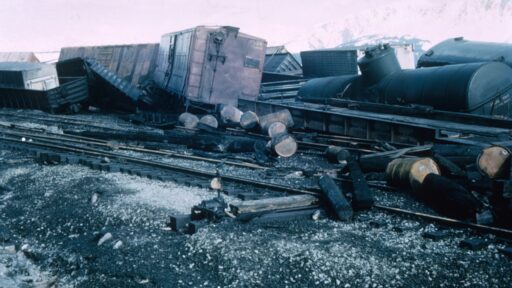
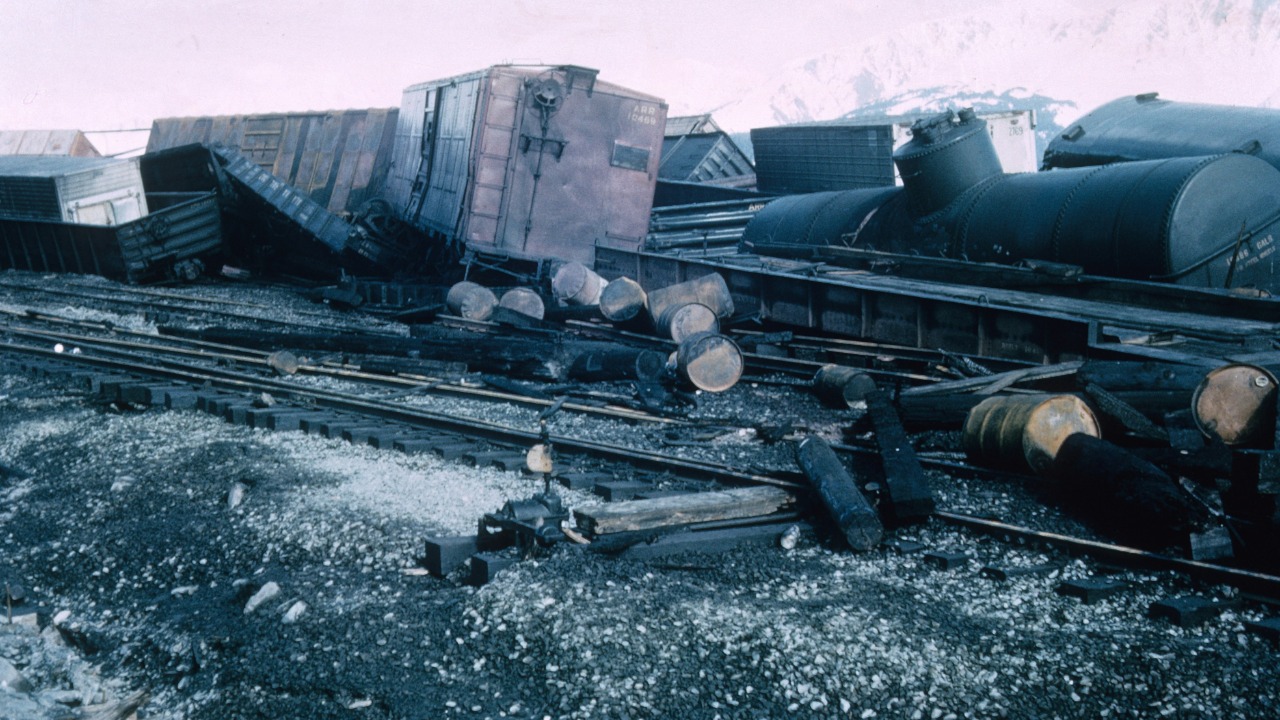
Rail officials and local leaders coordinated traffic closures around the site to keep drivers and pedestrians away from the wreckage. The line was temporarily shut down, and rail traffic was rerouted or held back until track inspectors could evaluate the structural damage and begin planning repairs. Images from the scene showed several twisted cars lying at angles across the ballast, with some containers tipped on their sides, reinforcing the decision to treat the crash as a serious industrial incident rather than a minor operational hiccup.
Coverage of the multiple derailed cars in Pennsylvania highlights how quickly a routine freight movement can become a community emergency when hazardous materials are involved. Even without a major spill, the physical disruption to rail infrastructure and local roads can last far longer than the initial shelter-in-place order, with cleanup and repair work stretching into days.
Why the shelter-in-place order and hazmat scare matter now
The Bucks County derailment landed in a country still arguing over rail safety and chemical transport after the disaster in East Palestine, Ohio. That earlier crash involved a Norfolk Southern freight train carrying hazardous materials, including vinyl chloride, that derailed and ignited near a residential area. The response included evacuations, controlled releases of chemicals, and long-running concerns about air and water contamination. A detailed timeline of East shows how a single derailment can evolve into a prolonged environmental and political crisis.
By comparison, the Pennsylvania incident appears far less severe, yet it underscores how often communities sit next to rail lines that routinely carry hazardous cargo. In this case, the decision to order residents to shelter in place reflects a cautious approach that has become more common since East Palestine, where initial confusion about the contents of derailed cars and the condition of tank shells complicated the response. Local officials in Bucks County were not willing to assume that intact-looking cars posed no threat until hazmat specialists had finished their inspections.
National guidance for local governments stresses that cities and counties need detailed plans for exactly this kind of event. The National League of Cities has advised municipal leaders to build relationships with rail operators, map out evacuation and shelter-in-place zones, and practice their emergency protocols before anything goes wrong. Its guidance on preparing for a urges communities to understand what moves through their jurisdictions, coordinate with fire and police departments on hazmat training, and communicate clearly with residents during a crisis.
The Pennsylvania derailment also illustrates how weather and environmental conditions can influence risk. Early coverage noted that hazmat crews worked alongside local responders to monitor air quality and check for any signs that chemicals were reacting or dispersing in the atmosphere. A report on hazmat crews responding to the train crash described how meteorological factors, such as wind direction and stability, shaped the size of the shelter-in-place zone and the urgency of testing.
For residents, the experience of being told to stay indoors with little warning can erode trust if communication is not clear. Communities in Ohio complained that they did not receive consistent information about health risks, cleanup progress, or long-term monitoring after their derailment. The Pennsylvania response will likely be judged not only by the technical success of containing any hazards but also by how effectively officials explained what was happening, why certain orders were given, and when it was safe to resume normal life.
The incident also adds pressure to long-running debates over rail regulations, including train length, crew staffing, and the classification of hazardous shipments. While the specific cause of the Bucks County derailment remains under investigation, every new crash involving potential hazmat cargo strengthens calls from safety advocates for stricter standards on tank car design, track maintenance, and real-time data sharing between railroads and local emergency managers.
What comes next for rail safety and community preparedness in Pennsylvania
In the near term, investigators will focus on what caused the Pennsylvania freight train to leave the tracks and whether any mechanical, track, or human factors played a role. Rail companies typically conduct internal reviews alongside federal or state probes, examining event recorder data, crew statements, and inspection records. Those findings will shape any future changes to operations on the affected line, from speed limits to track inspection schedules.
Local officials are also likely to revisit their emergency response plans. The National League of Cities has recommended that communities use real incidents as stress tests, updating protocols based on what worked and what did not. That includes refining shelter-in-place boundaries, improving alert systems that can reach residents quickly, and clarifying who has authority to issue and lift protective orders. The Bucks County derailment provides a concrete example for tabletop exercises and training sessions, allowing responders to walk through the timeline and identify gaps.
Training for first responders is another area that tends to gain attention after hazmat scares. Fire departments and law enforcement agencies often rely on specialized instruction to handle rail incidents that involve chemicals, pressurized gases, or flammable liquids. Guidance developed after the Ohio crash has emphasized the need for responders to understand rail car types, placard systems, and the behavior of specific substances under heat or pressure. Analyses of the need for training in hazmat incident response argue that smaller departments in particular require more support to manage complex rail emergencies.
Pennsylvania officials may also look at previous derailments in the state for lessons on communication and evacuation strategy. In Feasterville, Bucks County, a past crash involving derailed train cars led to both evacuation and shelter-in-place orders that were later lifted once the scene was stabilized. Reporting on how orders were lifted after that derailment shows how authorities balance the need for caution with the desire to minimize disruption when the threat level drops.