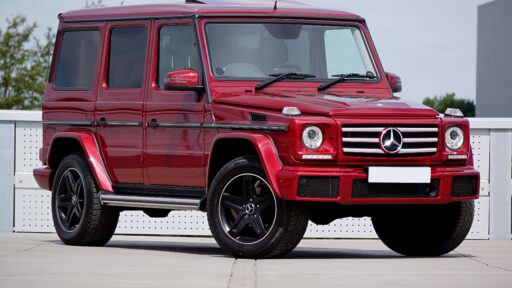
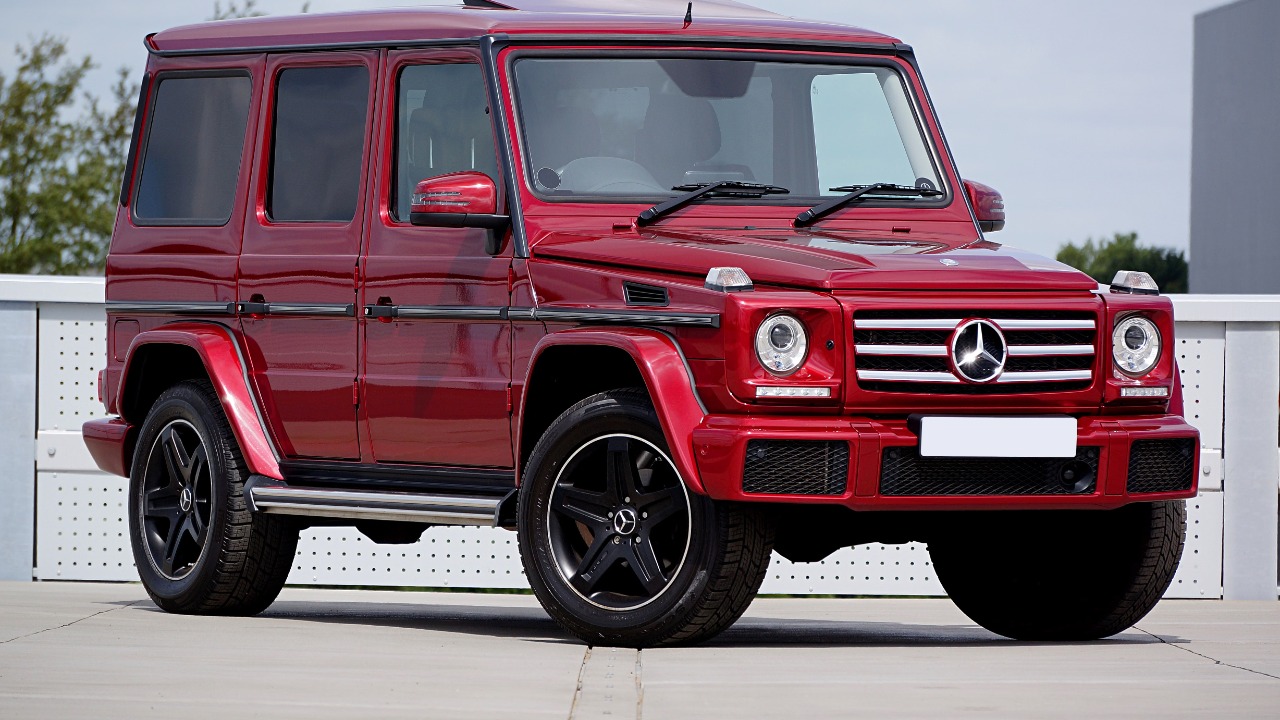

The Mercedes-Benz G-Class has long traded on its boxy silhouette and celebrity cachet, but for 2026 it captured something more practical: the top spot in a major reliability ranking for luxury SUVs. That result pushes the G-Class beyond fashion statement status and into the conversation as a serious long-haul ownership bet for buyers who care as much about dependability as they do about presence.
This shift reflects years of incremental engineering work, a maturing customer base, and a market where premium brands are under pressure to prove that six-figure SUVs can survive daily use without constant trips to the service bay.
How the G-Class evolved into a 2026 reliability benchmark
The modern G-Class sits on a far more sophisticated platform than the utilitarian original, yet Mercedes-Benz has been careful to keep its mechanical formula relatively conservative. The current generation retained a ladder frame and a focus on proven powertrains, which reduced the number of untested components that could trigger reliability complaints. That strategy contrasts with some rivals that rushed complex plug-in systems and four-wheel steering into their big SUVs, then faced early quality issues as those technologies met real-world use.
Mercedes has also been standardizing hardware and electronics across its lineup. The infotainment architecture and driver-assistance suite in the G-Class share core elements with high-volume models such as the E-Class sedan, which spreads development costs and gives engineers a larger data set to address bugs. When the same digital instrument cluster and software stack appear across multiple vehicles, fixes arrive faster and owners see fewer lingering glitches.
On the mechanical side, the G-Class leans on engines and transmissions that have already seen extensive duty in other Mercedes products. Turbocharged V8 and inline-six units, paired with a familiar automatic gearbox, have been refined over multiple model years rather than introduced fresh with the latest SUV. Reliability rankings for 2026 reward that kind of evolutionary approach, since components that have already survived years of customer abuse are less likely to surprise owners with expensive failures.
Interior durability has also improved. Earlier versions of the G-Class sometimes struggled with rattles, switchgear wear, and trim pieces that did not match the price tag. For the latest models, Mercedes upgraded materials and assembly quality, particularly around high-touch items such as seat controls, steering wheel buttons, and the central controller. Those changes show up in owner surveys that track squeaks, electronic gremlins, and cosmetic defects alongside major mechanical issues, and they help explain why the G-Class rose above rivals that still suffer from loose panels or fragile touch-sensitive controls.
The 2026 reliability rankings highlighted that the G-Class not only avoided serious drivetrain problems but also logged fewer complaints about minor annoyances. In a segment where customers expect near-perfection from day one, that balance of mechanical toughness and cabin solidity allowed the SUV to edge out competitors that may ride more softly or offer more cutting-edge tech but stumble in day-to-day dependability.
Why leading the 2026 luxury SUV reliability list matters now
For luxury buyers, reliability has shifted from a quiet bonus to a deciding factor. High interest rates and rising prices mean more customers plan to keep vehicles longer, and they are scrutinizing long-term ownership costs before signing a lease or loan. The 2026 ranking that placed the G-Class at the top of the luxury SUV field, highlighted in coverage of the most reliable luxury, lands directly in that context.
Comfort expectations have climbed as well. Surveys of the most comfortable cars for 2026 show that buyers no longer accept a trade-off between plush seats and solid engineering. The G-Class still rides more firmly than some crossovers, yet its cabin isolation, seat ergonomics, and high driving position appeal to owners who want a vehicle that can handle both city commutes and long highway runs without fatigue. When that comfort is paired with a reputation for reliability, the result is a package that feels less like a weekend toy and more like a daily tool.
Resale value is another reason the 2026 ranking matters. Analysts tracking which SUV holds value better than expected consistently point to models that combine strong demand with low reported problems. The G-Class already enjoyed cult status in the used market thanks to its image and limited supply. A fresh reliability crown reinforces that demand, since second-hand buyers pay premiums for vehicles perceived as both durable and expensive to replace.
In the broader SUV market, the G-Class faces competition not just from traditional rivals but also from electric newcomers that promise lower maintenance costs. Many of those EVs are still in early production cycles and are working through software issues and build-quality hiccups. By contrast, the G-Class enters 2026 as a mature product, with reliability data that gives risk-averse buyers a reason to choose a conventional powertrain over a first- or second-generation electric alternative.
Performance rankings add another layer. Lists of the best SUVs for driving enthusiasts often praise the G-Class for its character and off-road capability. When the same vehicle also tops reliability charts, it undercuts the assumption that a fun or distinctive SUV must be fragile. That combination strengthens Mercedes-Benz in a segment where some competitors have had to sacrifice durability for weight savings or headline-grabbing technology.
The cultural cachet of the G-Class amplifies the impact. Coverage focused on the most desirable G-Wagen models often centers on limited editions and high-performance variants, but the 2026 reliability result brings attention back to the standard versions that most customers actually buy. It signals that the SUV is not just a status symbol for collectors and celebrities, but also a sensible choice for families and business owners who need a dependable vehicle that happens to look iconic.
What the G-Class reliability win signals for its future and the segment
The 2026 reliability victory creates both opportunity and pressure for Mercedes-Benz. On one hand, it gives the company a clear marketing message at a time when trust in complex luxury vehicles can be fragile. On the other, it raises expectations for any upcoming refresh or powertrain shift. If Mercedes moves toward electrified or fully electric versions of the G-Class, engineers will need to preserve the durability that current owners now take for granted.
That challenge is not theoretical. As regulators push for lower emissions and cities tighten rules on large combustion vehicles, the G-Class will have to adapt. Future variants may adopt hybrid systems or battery packs that add weight and complexity. The lesson from 2026 is that Mercedes cannot treat reliability as an afterthought while it chases efficiency or performance targets. Any new technology will need extensive validation before it reaches customers who have seen what a well-sorted G-Class looks like.
For the broader luxury SUV class, the ranking reshapes the competitive map. Rivals that have traditionally leaned on softer rides or cutting-edge infotainment will be under pressure to match the G-Class on durability. That could mean longer test cycles, more conservative powertrain choices, or a renewed focus on simple, physical controls in place of touch-only interfaces that often generate owner frustration. The segment may move toward a balance where standout comfort and technology are expected, but not at the expense of basic reliability.
The used market is likely to feel the effects as well. As 2026 models age, their reliability record will influence lease residuals and finance terms. If the G-Class continues to show low failure rates and strong resale, lenders may offer more favorable conditions, which in turn keeps monthly payments competitive despite high sticker prices. That financial feedback loop can help Mercedes maintain production volumes and justify ongoing investment in a vehicle that, on paper, serves a niche audience.