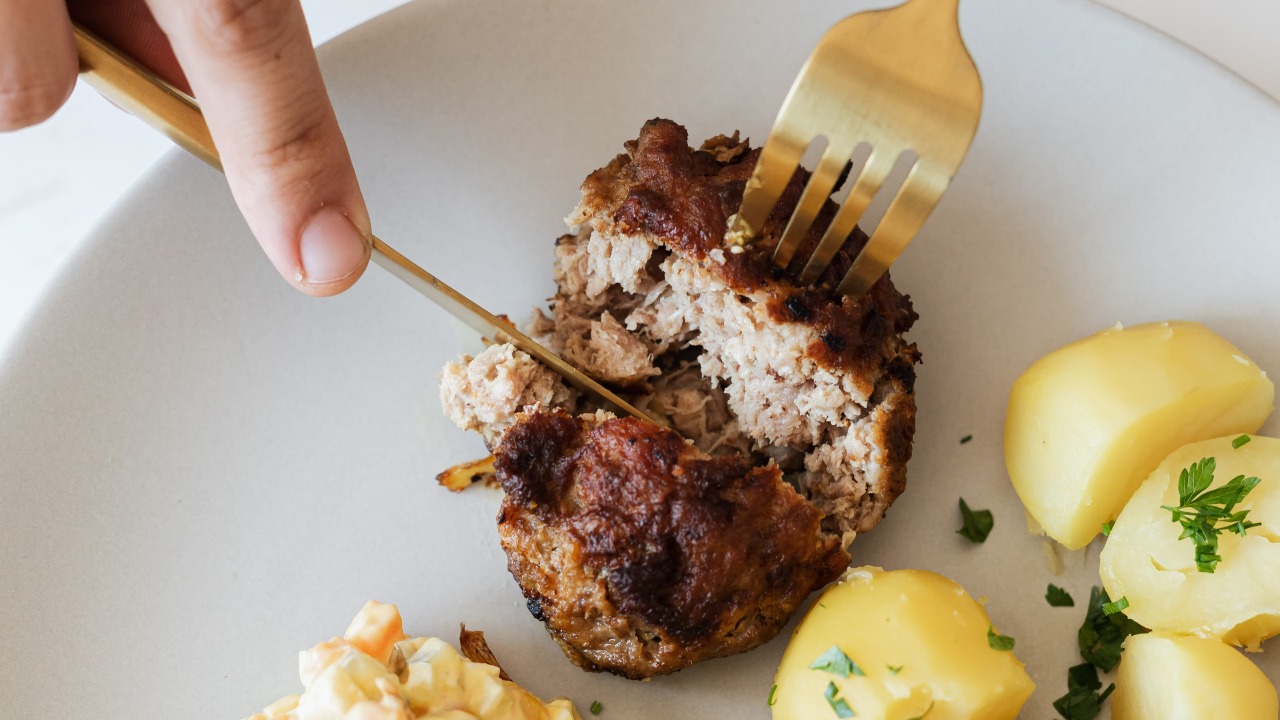

Frozen meatloaf dinners that quietly contained soy protein have been pulled from freezers across the United States after federal inspectors flagged a labeling mistake that could put people with allergies at risk. The recall affects thousands of pounds of ready-to-heat meals that were already distributed to retailers nationwide, raising fresh questions about how a single missed ingredient line can ripple through the food system.
Regulators say no illnesses have been confirmed so far, but the incident underscores how dependent shoppers are on the accuracy of a few square inches of packaging. For anyone who lives with food allergies, the recall is another reminder that convenience foods can carry hidden hazards when labeling goes wrong.
How the soy labeling problem surfaced in frozen meatloaf dinners
The trouble centers on frozen meatloaf dinners produced by Power Plate Meals, a company that sells prepackaged entrees through grocery stores and direct-to-consumer channels. According to federal food safety officials, the company recalled nearly 6,000 pounds of frozen meatloaf products after discovering that soy, a major allergen, was present in the meals but not declared on the label. The recall covers 5,983 pounds of product, a volume large enough to indicate that the affected dinners were widely distributed before the issue was caught.
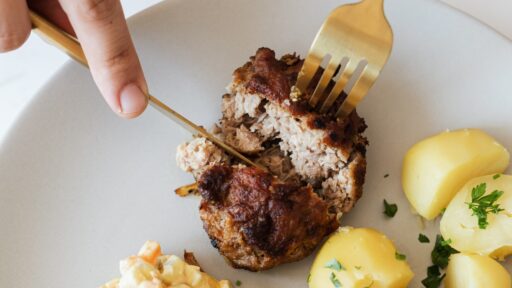
Officials said the meatloaf dinners were produced at a facility in North Dakota and shipped to retail locations nationwide. Sold as frozen, ready-to-eat meals, they are the kind of product many shoppers rely on for quick weeknight dinners. The affected items carry the Power Plate Meals brand name and include a meatloaf entrée with sides, packaged in individual serving trays. Inspectors identified the problem during routine verification work, when they found that a soy-containing ingredient used in the meatloaf formulation was not reflected in the printed ingredient list.
After the undeclared soy was confirmed, Power Plate Meals initiated a voluntary recall in coordination with federal authorities. The company notified distributors and retailers that received the product, and public alerts were issued so consumers could check their freezers. The recall notice explained that people who are allergic or sensitive to soy face a higher risk of a serious reaction if they eat the mislabeled meatloaf dinners, and it instructed anyone who purchased the meals to throw them away or return them to the place of purchase for a refund.
Food safety officials emphasized that the recall was limited to specific production lots and packaging codes tied to the mislabeling incident. The affected dinners can be identified by their package labels and establishment information, which were detailed in the federal alert. Consumers were advised to look for the relevant lot codes and establishment number printed on the packaging to determine whether their meatloaf dinners were part of the recall.
The recall notice also made clear that the issue involved labeling rather than contamination. Soy ingredients are permitted in processed foods, but under federal law they must be clearly listed on the label whenever they are present. In this case, the meatloaf formulation included a component that contained soy protein, yet the final packaging did not disclose soy as an ingredient or in an allergen statement.
Why undeclared soy in a comfort-food staple matters for allergy safety
At first glance, the recall might sound like a technical paperwork mistake. For people with soy allergies, however, an undeclared ingredient in a ready-made dinner can be the difference between a normal evening and an emergency room visit. Soy is one of the nine major food allergens that must be declared in plain language on packaged foods in the United States, alongside peanuts, tree nuts, milk, eggs, wheat, fish, crustacean shellfish, and sesame.
Federal rules require that these allergens be listed either in the main ingredient list or in a separate “contains” statement. The goal is to give consumers with allergies a clear and reliable way to avoid foods that could harm them. When a product like a frozen meatloaf dinner contains soy but the label omits it, people who rely on those rules lose that protection. Someone with a soy allergy might scan the label, see no soy listed, and assume the product is safe, even though it is not.
Regulators warned that the recalled Power Plate Meals dinners pose a particular concern for individuals who have a history of severe reactions to soy. Symptoms can range from hives and swelling to difficulty breathing and anaphylaxis, and they can appear quickly after eating a food that contains the allergen. Although no confirmed adverse reactions had been reported at the time the recall was announced, officials urged anyone who experienced allergy symptoms after eating the meatloaf dinners to seek medical care.
The scale of the recall also matters. Nearly 6,000 pounds of frozen meatloaf represents thousands of individual meals that were shipped to retailers across the country. That kind of distribution footprint means the mislabeling problem was not confined to a single store or region. Shoppers could have picked up the dinners from freezer cases in multiple states, taken them home, and stored them for weeks or months, unaware that the product contained an undeclared allergen.
Allergy advocates often point out that frozen meals are especially attractive to people who need predictable ingredient lists. Someone with a soy allergy might choose a frozen meatloaf dinner precisely because the label appears straightforward and the product seems less likely to contain soy than, for example, an Asian-style stir fry. When that assumption turns out to be false, trust in the labeling system erodes.
The recall of the Power Plate Meals meatloaf dinners also fits into a broader pattern of allergen-related recalls that have affected a wide range of packaged foods. In recent years, regulators have repeatedly flagged products where allergens such as milk, peanuts, or soy were present but not declared. Each incident underlines the same basic vulnerability: complex supply chains and ingredient substitutions can make it easy for an allergen to slip into a recipe without being properly reflected on the label.
What regulators, companies, and shoppers are likely to do next
In the short term, the priority for Power Plate Meals and federal officials is to get the recalled meatloaf dinners out of circulation. Retailers that received the affected lots have been instructed to remove them from freezer cases, and the company has urged customers to discard any recalled product they find at home. The recall notice explained that consumers can contact the company for more information about the affected items and how to obtain a refund.
Regulators will continue to monitor for any reports of illness that might be linked to the undeclared soy. If consumers or healthcare providers report suspected reactions tied to the recalled meatloaf dinners, those cases will help authorities assess whether the labeling failure led to real-world harm. Even if no illnesses are confirmed, the incident will likely feed into broader enforcement and education efforts around allergen control in food manufacturing.
For Power Plate Meals, the recall is likely to trigger an internal review of how ingredients are tracked and how labels are verified before products are shipped. Companies that experience allergen-related recalls often respond by tightening their procedures, such as updating formulation records, improving communication with ingredient suppliers, and adding extra checks to confirm that packaging matches the current recipe. In some cases, manufacturers also retrain staff on allergen management and labeling rules to reduce the risk of a repeat problem.
The recall also sends a clear signal to other makers of frozen dinners and ready-to-eat meals. Federal regulators have shown that they are scrutinizing labels for undeclared allergens and expect companies to catch discrepancies before products reach store shelves. For an industry that relies on consumer trust, repeated mislabeling incidents can carry reputational costs in addition to the direct expense of pulling product and issuing refunds.