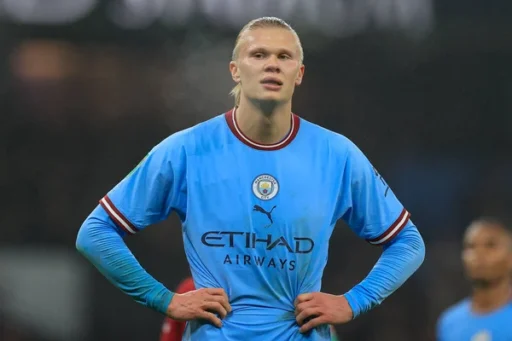
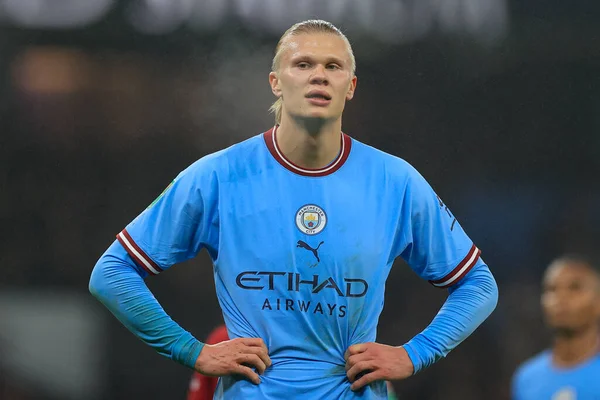

Erling Haaland has carried heavy expectations for Norway for years, and against Ivory Coast he finally delivered the signature World Cup moment his country had been waiting for. A tight round-of-32 tie was decided by his late winner, a goal that pushed Norway into the last 16 and set up a glamour meeting with Brazil.
The margin was thin and the performance imperfect, but the impact is enormous. Norway are through to the knockouts of a men’s World Cup for the first time in a generation, and they have done it with their biggest star at the heart of the story.
How Norway’s approach shifted to unlock Haaland’s decisive moment
The contest with Ivory Coast unfolded as a tense, tactical game in which Norway initially struggled to connect with Haaland. Early on, the Norwegian front line was too detached from midfield, leaving the striker isolated against a physical Ivorian back four that squeezed space and forced him to drop deep rather than attack the penalty area. Match reports highlighted how Norway needed to adjust their pressing and build-up patterns after a cagey first half that produced few clear chances for either side, with Ivory Coast threatening most through their pace in transition and set pieces, according to live coverage.
The turning point came when Norway pushed their full backs higher and asked Martin Ødegaard to receive the ball closer to Haaland rather than in front of the Ivorian midfield screen. That tweak created more central overloads and pulled Ivory Coast’s holding midfielder out of position, which in turn opened lanes for direct passes into the box. Analysts noted that Norway’s wide players, who had been conservative before the break, began to attack the half-spaces more aggressively, drawing the Ivorian centre backs wider and giving Haaland room to operate between them. The shift in emphasis from cautious possession to quicker vertical passes was clear in the build-up to the winner, which followed a spell of sustained pressure and second-ball dominance that Norway had lacked earlier.
Haaland’s goal itself was a classic example of what happens when Norway manage to connect their structure to his strengths. After a spell of pressure and a cross that Ivory Coast failed to fully clear, the ball broke in the area and Haaland reacted faster than anyone, steering a low finish past the goalkeeper. Reports described it as a predatory strike that punished a brief lapse in the Ivorian defensive line, with the forward timing his movement perfectly to stay onside and attack the loose ball. The moment encapsulated why Norway are so determined to build their attack around him, as detailed in post-match analysis.
Norway’s defensive structure also evolved across the match. Early passages saw their back line sitting relatively deep, which invited Ivory Coast to advance their full backs and swing in crosses. As the game wore on, Norway’s centre backs stepped higher and the midfield line compressed the space between the units, reducing the time Ivory Coast had on the ball and allowing Norway to win more duels in the middle third. That territorial shift meant Haaland received the ball in more advanced zones and with more teammates around him, a key factor in the increasing pressure that eventually led to the decisive goal. A detailed breakdown of the tactical battle highlighted how Norway’s improved pressing and compactness limited Ivorian attacks in the final half hour, turning the contest in their favour, as reflected in match reports.
Individual performances around Haaland also changed the dynamic. Player ratings pointed to strong showings from Norway’s central defenders, who dealt with aerial threats, and from Ødegaard, who grew in influence as the game became stretched. Several Norwegian players were credited with stepping up in the closing stages, especially in terms of work rate and pressing intensity, which allowed the team to pin Ivory Coast back. Those contributions framed Haaland’s winner not as a solo rescue act but as the culmination of a more cohesive team display, a theme underlined in detailed player ratings.
Why Haaland’s winner and Norway’s progress resonate so strongly now
Haaland’s decisive strike arrived against the backdrop of intense scrutiny on both the player and his national team. Norway have long been seen as a talented side that struggled to convert potential into tournament success, and Haaland’s prolific club form has only sharpened expectations. By delivering in a knockout tie, he answered questions about whether he could translate his scoring record to the biggest international stage, a narrative that had followed him through earlier games in the competition, as outlined in tournament coverage.
The context of the opponent also matters. Ivory Coast arrived in the round of 32 with a reputation for physical strength, technical quality and tournament know-how. Beating them in a tight elimination match gives Norway a statement victory that carries more weight than a routine group-stage win. Match reports stressed how Ivory Coast created dangerous moments of their own and forced Norwegian goalkeeper interventions at key times, underlining the significance of keeping a clean sheet while finding a way to score at the other end, as detailed in the game summary.
Norway’s progression also feeds into the broader narrative of European sides trying to keep pace with traditional World Cup powers. The last 16 features heavyweights with deep tournament pedigrees, and Norway’s presence among them signals that their project around Haaland and Ødegaard is maturing. Analysts have contrasted Norway’s path with that of other nations that rely heavily on one star, noting that the Norwegians have worked to surround their striker with a clearer tactical framework and more balanced squad roles. The win over Ivory Coast suggests that this approach is starting to pay off in high-pressure situations, with the team showing resilience rather than collapsing under expectation, a point highlighted in post-match reaction.
Haaland’s goal also lands in a tournament narrative that has already featured standout individual performances from other stars. Earlier in the competition, Ousmane Dembélé scored a hat-trick for France against Norway, a result that raised doubts about the Norwegians’ defensive solidity and their ability to cope with elite attackers, according to tournament reports. Haaland’s response in a later round, by deciding a knockout tie in Norway’s favour, helps reframe that storyline. Instead of being remembered only as the team torn apart by a rival’s star, Norway now have their own headline moment from their marquee forward.
There is also a psychological dimension. For a generation of Norwegian fans who have watched Haaland dominate club football, seeing him score the goal that sends their country into the last 16 validates years of anticipation. It strengthens the bond between player and national side, which can influence everything from supporter belief to the confidence of younger players in the squad. Observers have already described how Haaland’s body language shifted after the goal, with the striker appearing more relaxed and expressive, a sign that some of the pressure may have lifted, as described in match analysis.
How Norway’s last-16 clash with Brazil could unfold after Haaland’s heroics
The reward for edging past Ivory Coast is a daunting last-16 meeting with Brazil, one of the tournament’s favourites and a side stacked with attacking talent. Tactical previews suggest that Norway will face a very different type of challenge, with Brazil expected to dominate possession and pin Norway back for long stretches. That scenario will likely force Norway to adjust their approach again, relying more on compact defending and fast counters than on the gradual territorial control they built in the second half against Ivory Coast, as outlined in early previews.