
Used SUV prices have cooled from their peak, but depreciation still separates smart purchases from expensive regrets. Some sport-utility vehicles consistently retain more of their original sticker price, turning into long-term assets rather than short-lived status symbols. Shoppers who understand which models buck the depreciation curve can save thousands of dollars over a typical ownership cycle.
Seven nameplates in particular have built a track record of strong resale value, thanks to a mix of reliability, brand strength, and disciplined incentives. They are not always the flashiest choices on the lot, but they tend to leave owners with more money in their pockets when it is time to sell or trade.
How value-holding SUVs are changing in a softer used market
After a surge in used prices during the pandemic, the market has shifted. Incentives have crept back, new-vehicle inventories are healthier, and shoppers have more leverage. Those changes have exposed which SUVs were propped up by scarcity and which genuinely hold their value through normal cycles. Guidance on how to choose has shifted toward fundamentals like long-term reliability data, fleet mix, and total ownership cost rather than short-term pricing spikes.
The Toyota 4Runner illustrates how an aging platform can still be a resale star. Its body-on-frame construction, proven V6, and reputation for durability have kept demand high for 5- to 10-year-old examples even as newer crossovers add more technology. The current generation has seen only incremental changes in powertrain and design, yet used buyers pay a premium for its perceived indestructibility and off-road credibility. That stability helps 4Runner values remain firm when more complex rivals take bigger hits after warranty coverage ends.
The Toyota RAV4 offers a different path to the same outcome. It has evolved from a basic compact utility into a feature-rich family SUV with hybrid and plug-in hybrid variants. Each redesign has added safety tech and efficiency, yet Toyota has avoided aggressive discounting. That approach keeps lease residuals strong and used pricing relatively high. Well-equipped RAV4 Hybrid models in particular command strong money on the secondary market because they combine low fuel costs with a reputation for low repair bills, which matters more as fuel and maintenance budgets tighten.
On the luxury side, the Lexus GX and Lexus LX show how limited volume and loyal followings can insulate values from broader market swings. The GX has transitioned from an understated V8 off-roader into a more modern, turbocharged SUV, but its ladder frame and global Land Cruiser roots keep it attractive to buyers who prioritize longevity over cutting-edge infotainment. The LX, which shares much of its DNA with the global Land Cruiser, benefits from a similar formula. Even as newer competitors chase performance and styling trends, used shoppers seek out older GX and LX models for their perceived 300,000-mile potential, which supports higher resale values.
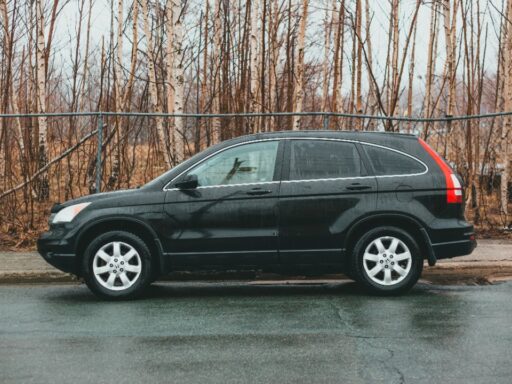
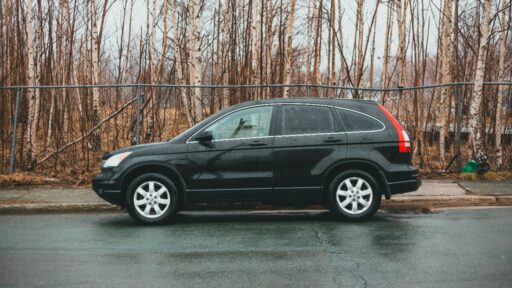
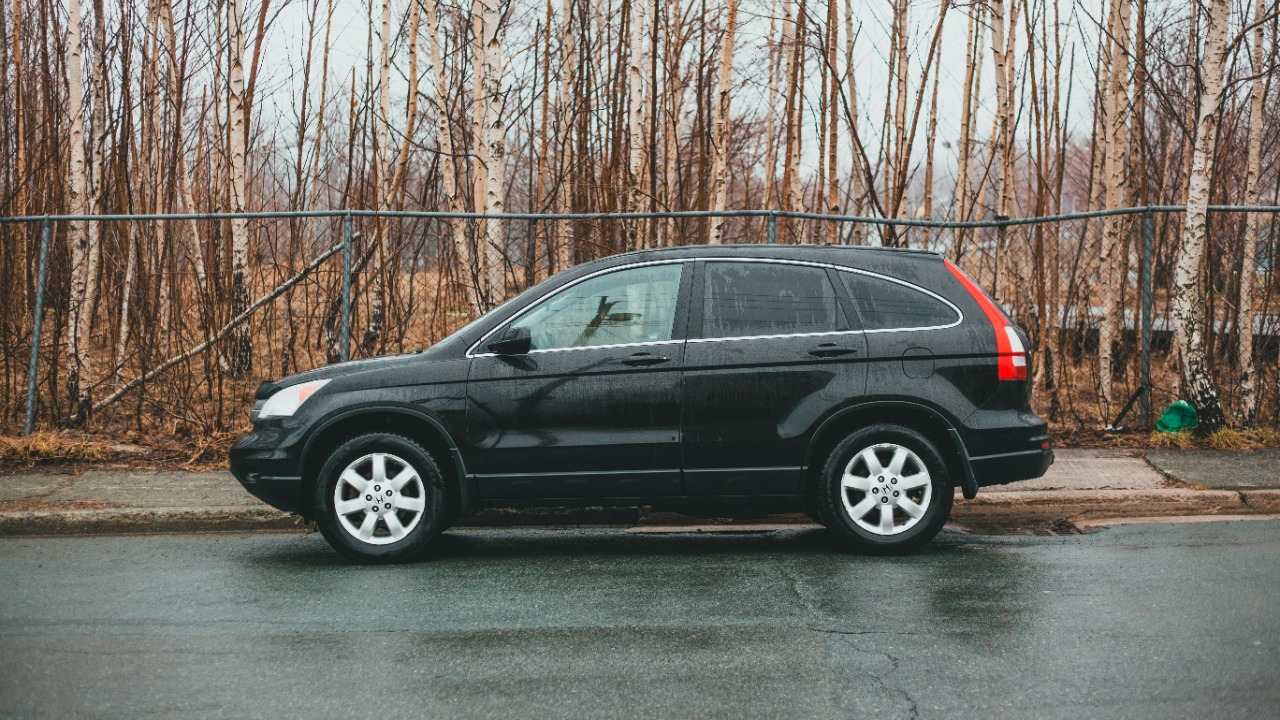
The Honda CR-V and Honda Pilot represent another thread in this group. Both have grown in size and comfort, with expanded driver-assistance suites and more efficient engines, yet Honda has maintained a reputation for low unscheduled repair rates. That record helps CR-V and Pilot owners recover a larger share of their original purchase price when trading for a new model. The latest CR-V, for example, adds a more refined hybrid system that appeals to commuters, while the Pilot has leaned into family-hauling space and all-wheel-drive confidence. Those practical strengths translate into steady demand in the used market.
Finally, the Subaru Outback, often cross-shopped with SUVs despite its wagon profile, has steadily moved upmarket in materials and technology while retaining standard all-wheel drive. Its blend of car-like ride and SUV-like capability resonates strongly in snowbelt regions, which keeps resale values high. The addition of more rugged Wilderness trims has also created a halo effect that lifts interest in more mainstream versions.
Why high-resale SUVs matter for buyers and owners right now
High-resale SUVs matter more in a cooling market because they act as a financial buffer. When prices normalize, owners of models with weaker demand can find themselves underwater on loans or forced to accept low trade-in offers. By contrast, buyers who choose value-holding SUVs often see slower depreciation in the first three to five years, which can shorten loan terms or make it easier to roll equity into the next purchase.
For families, that difference can be significant. A Toyota 4Runner or Lexus GX that retains a large share of its value after several years can offset higher initial pricing through stronger resale. The same logic applies to a Honda CR-V or Subaru Outback that costs slightly more than a budget rival but loses value more slowly. Owners who plan to swap vehicles every few years benefit most, since the steepest depreciation usually occurs early in the ownership cycle.
Leasing is also shaped by these dynamics. Models with strong residual forecasts often carry lower lease payments, since the finance company expects the SUV to be worth more when it returns. That can make a RAV4 Hybrid or CR-V a better deal on a monthly basis than a cheaper SUV with weaker projected resale. For shoppers who prefer predictable costs and regular upgrades, targeting high-resale models can keep payments manageable without resorting to long, interest-heavy loans.
Insurance and financing terms can indirectly reflect resale strength as well. Lenders and insurers track historical loss data, theft rates, and repair costs. SUVs with solid reliability records and stable demand, like the Pilot or Outback, can sometimes qualify for more favorable terms than models with spotty histories or heavy incentives. While the differences are not always dramatic, they add another layer of financial advantage over the life of the vehicle.
There is also a hedge against uncertainty. Economic slowdowns, fuel price spikes, and shifts in consumer taste can all hit vehicle values. SUVs that combine efficiency, practicality, and durability tend to weather those shocks better. A RAV4 Hybrid or CR-V Hybrid, for example, can appeal both to budget-conscious commuters and families looking for all-weather capability, which broadens the pool of used buyers. That versatility supports values when niche models fall out of favor.
For current owners, understanding where their SUV sits on the resale spectrum helps inform timing. Those who drive a 4Runner, GX, or Outback with strong demand may find that selling slightly earlier, while mileage is still moderate, maximizes their return. Owners of models with weaker resale may be better off keeping the vehicle longer and extracting more miles rather than trading at a steep loss. Either way, knowing the relative depreciation curve helps align replacement decisions with financial goals.
What to watch next in the race to build value-retaining SUVs
The next few model years will test whether these seven SUVs can maintain their resale edge as electrification and new competitors reshape the market. Toyota is expanding hybrid offerings across its SUV lineup, and the strong reception for the RAV4 Hybrid suggests that efficient powertrains paired with familiar nameplates can sustain demand as fuel and emissions rules tighten. If Toyota applies that template effectively to the 4Runner replacement, it could extend the model’s value story into a new era.
Lexus faces a similar balancing act with the GX and LX. As emissions standards push luxury SUVs toward smaller, turbocharged engines and electrified systems, the brand must convince loyal buyers that newer drivetrains will match the longevity of the outgoing V8s. If the new powertrains deliver on durability and towing performance, they can preserve the models’ strong reputations and keep used values high. If not, buyers may migrate to other SUVs that offer a clearer track record, which would erode the current resale advantage.
Honda’s path with the CR-V and Pilot runs through refinement and incremental efficiency gains rather than radical change. The company has leaned into hybridization and improved cabin quality, which broadens appeal without alienating existing owners. Continued investment in safety and driver-assistance technology, especially standard features across trims, will help keep used examples competitive against newer rivals. As more mainstream brands push aggressive incentives, Honda’s discipline on pricing and fleet sales will remain critical to protecting residuals.