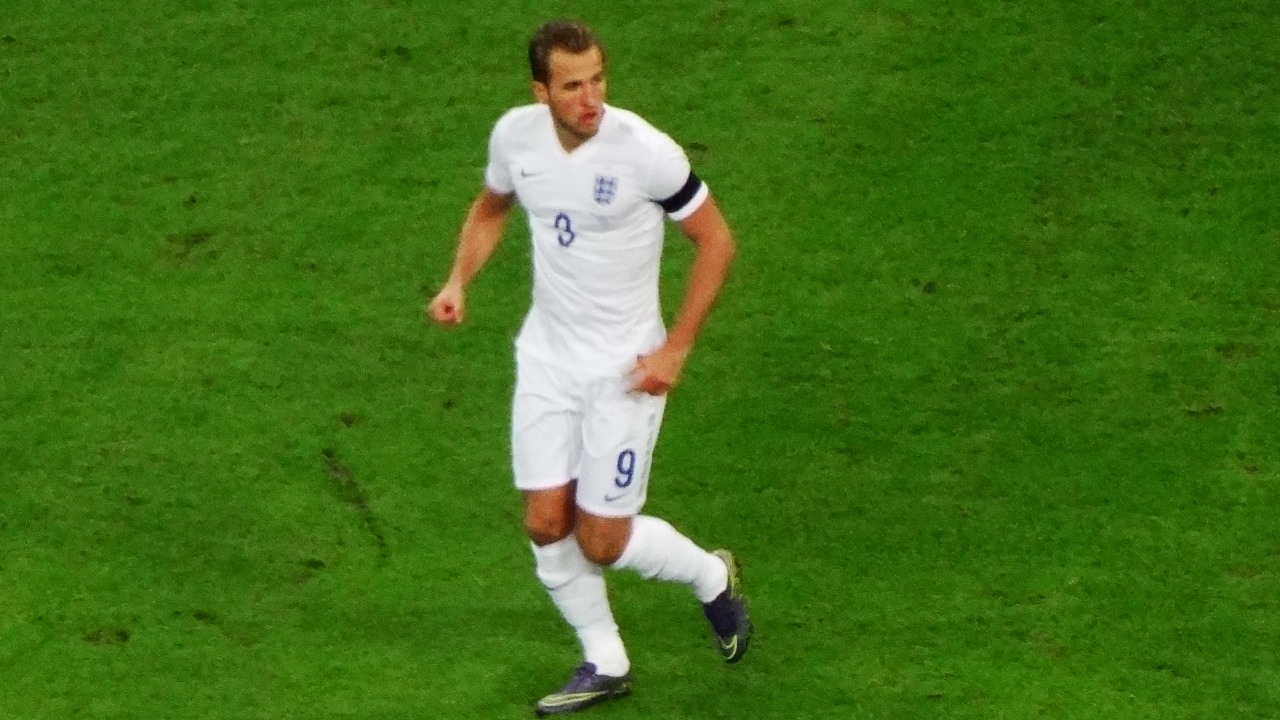

Harry Kane opened England’s 2026 World Cup campaign with the kind of performance that can reshape a tournament’s mood in a single night. His two goals in a 4-2 win over Croatia turned a tricky Group C opener into a statement of intent and pushed him level with England’s all-time World Cup scoring record.
For a squad that has carried the weight of near misses at recent major tournaments, this was more than a routine victory. Kane’s finishing, the team’s attacking fluency and the atmosphere that followed all suggested a group ready to turn potential into something more concrete.
How Kane’s brace and England’s opener shifted early World Cup expectations
The first group game often exposes nerves, yet England played with a freedom that surprised even some optimists. Kane’s two goals against Croatia were the headline, but they came within a broader attacking display that produced four goals, persistent pressure and long spells of control in midfield. That combination of ruthless finishing and structural balance is what turns a promising side into a real contender.
According to detailed match coverage, Kane’s double not only secured the win but also moved him level with England’s record for World Cup goals, a landmark that underlines his status as the central figure in this era of the national team. The 4-2 scoreline reflected a game in which England repeatedly carved open Croatia’s back line, with Kane’s movement in the box and timing of runs proving too sharp for a defence that has troubled them in previous tournaments. The captain’s ability to drop off, link play and then arrive in scoring positions remains a defining feature of his game, and it was on full display in this opener.
The attacking performance drew praise from those who have tracked England’s evolution over multiple cycles. One report described the victory over Croatia as arguably the best game of the World Cup so far, highlighting the tempo of England’s passing, the variety of their attacks and the composure they showed after conceding. That assessment underlined how different this side looked compared with more cautious tournament starts in the past.
Pre-match analysis had already framed Kane as the focal point of both England’s tactical plan and the betting markets. Odds pieces before kick-off stressed his status as a leading candidate for the Golden Boot and pointed to Croatia’s vulnerability against a striker who can both finish and create. The way the game unfolded, with Kane converting chances and drawing defenders out of position, fitted that script closely and will only strengthen confidence around his individual prospects.
Beyond the numbers, this opener changed the tone around England’s campaign. Instead of the familiar narrative of a slow start and questions about creativity, the conversation shifted to how far this attacking structure can carry them. Kane’s brace did not just win a match; it reframed the ceiling for what this group might achieve over the next few weeks.
Why Kane’s record chase and England’s fast start carry extra weight now
The significance of Kane’s performance goes beyond a single night in the group stage. By tying England’s World Cup scoring record against Croatia, he has placed himself alongside the most prolific tournament forwards in the country’s history while still leading the line in his prime. That context matters for a squad that blends established stars with emerging talent and needs a clear on-pitch reference point.
Recent coverage of England’s World Cup build-up has repeatedly identified Kane as the central pillar of the side’s plans. A newsletter-style breakdown of the opener stressed how his two goals against Croatia sparked what was described as a strong World Cup start for England, reinforcing the idea that the team’s fortunes remain closely tied to his production. When the captain hits this level of form early, it tends to lift belief across the dressing room and the fanbase.
The stakes are heightened by the composition of the wider squad. Projections of England’s 2026 World Cup group under head coach Thomas Tuchel, who has been tasked with blending experience and youth, highlighted the balance between veterans such as Kane and a cohort of younger attackers. Analysts noted that Tuchel’s 26-player pool would likely revolve around a core of senior figures who can handle knockout pressure, with Kane at the heart of that structure. His ability to deliver in the opening game therefore validates a key assumption behind the squad’s construction.
The quality of the Croatia match also matters for how England are perceived by opponents. A detailed report from a Tottenham-focused outlet described the 4-2 win as the best game of the tournament so far, pointing to the way England combined intensity off the ball with sharp combinations in the final third. That kind of performance does not just bank three points; it forces future group and knockout rivals to adjust, either by sitting deeper to contain the threat or by risking more open games that play into England’s attacking strengths.
From a tactical point of view, Kane’s brace highlighted several trends that could define England’s tournament. His first goal showcased the benefit of quick vertical passing through midfield, with runners dragging defenders away and leaving space for him to attack the box. The second underlined his penalty-box instincts, a reminder that even in a side packed with creative talent, the finishing touch still belongs to the captain. When a striker combines those qualities with the confidence that comes from chasing national records, the entire attacking unit tends to play with more conviction.
How England and Kane can build on this platform in the matches ahead
The immediate question after such an emphatic start is how sustainable it is. Early odds analysis around the Croatia game already framed Kane as a central figure in player prop markets, with recommended bets focusing on his shots, goals and involvement in England’s attacking phases. With two goals already on the board and a share of the national record secured, those markets are likely to tilt even further in his direction as group play continues.
For Tuchel and his staff, the priority will be managing minutes and maintaining the tactical clarity that worked so well in the opener. Projections of England’s 26-man squad highlighted the depth available in attacking positions, with several forwards and attacking midfielders considered on the bubble for places. That depth now becomes a strategic asset. It allows England to rotate around Kane, protect his fitness and vary the profiles that play off him, whether that means pace in behind, creative number tens between the lines or wider forwards who can drift inside.
Future group opponents will study the Croatia tape closely. They will see an England side that can score four, but also one that conceded twice and at times left space in transition. That trade-off is inherent in a more adventurous approach. The challenge will be to keep the attacking edge that produced such a strong start while tightening the defensive structure, particularly against sides that counter quickly through central areas.
There is also the psychological dimension of a record chase. Having drawn level with England’s all-time World Cup scoring mark, Kane now has the opportunity to move clear at the top in the remaining group games. That pursuit can sharpen focus, but it also invites extra defensive attention. Opponents may assign a dedicated marker or adjust their pressing triggers to cut off service into him. England’s response will need to involve spreading the goal threat, encouraging midfield runners and wide players to take on shots so that the attack does not become predictable.
From a broader tournament perspective, a convincing opening win reshapes the bracket calculus. Topping the group typically offers a more favourable path through the knockouts, and a strong goal difference from the outset can be decisive if standings tighten. The 4-2 result against Croatia gives England a head start on that front, as well as a benchmark for the attacking standard they will aim to maintain.