

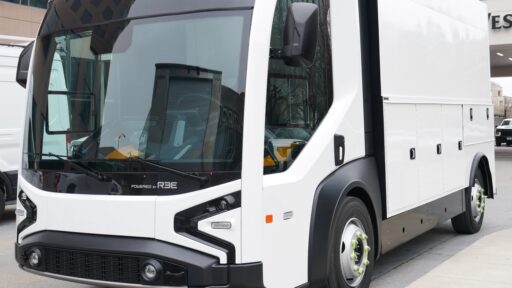
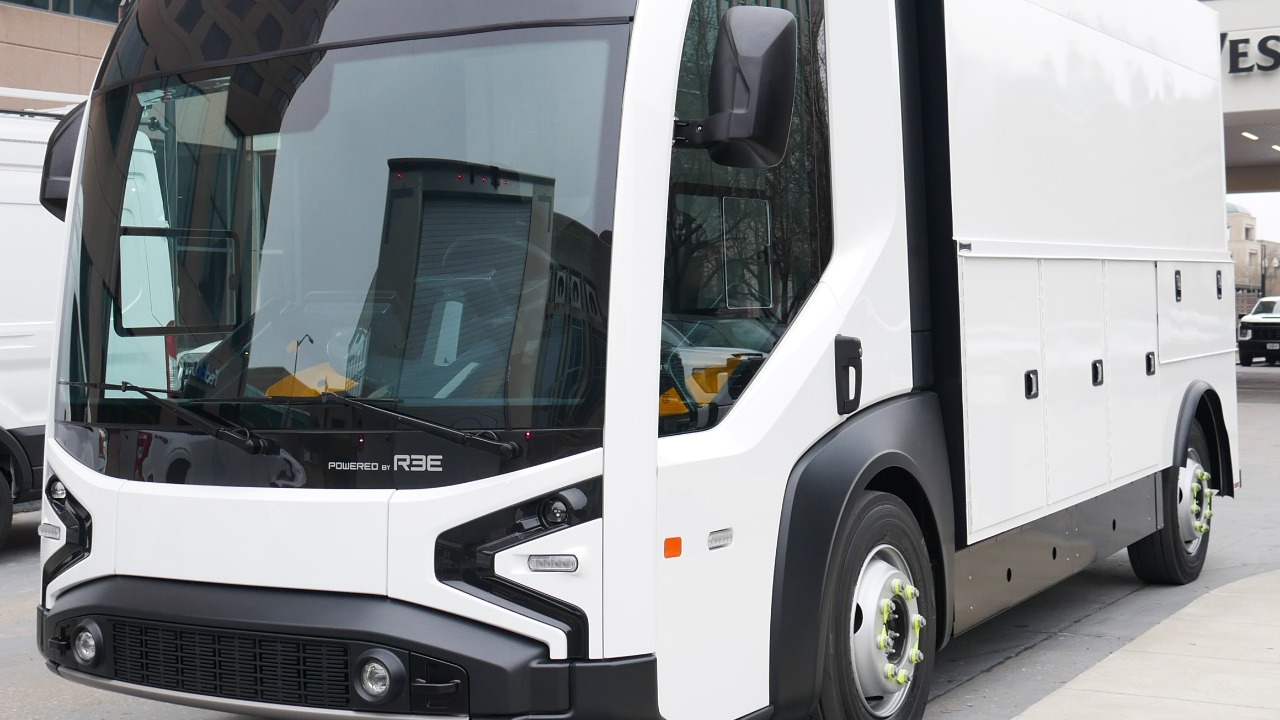

Battery demand from electric trucks has surged over the past year, more than doubling worldwide as freight operators begin swapping diesel rigs for plug-in models. The shift is concentrated in a handful of aggressive markets, yet it is already large enough to unsettle oil demand forecasts and force truck makers, utilities, and miners to rethink their strategies.
Behind the headline growth lies a structural change in how the heaviest vehicles on the road are powered, with early adoption in China now spilling into Europe and North America. What once looked like a niche experiment in electric heavy-duty trucks is starting to resemble a new baseline for future freight expansion.
How electric truck battery demand accelerated so quickly
The sharp jump in battery demand stems from the heavy-duty segment’s late but rapid pivot to electrification. Passenger cars have dominated EV headlines for years, but heavy trucks consume far more energy per vehicle, so each new electric truck adds a sizeable block of battery capacity to the grid and supply chain.
Analysts tracking freight markets point first to China, where aggressive policy support and dense logistics corridors have made electric trucks viable at scale. Detailed assessments of China’s electric trucks describe a rapid build-out of battery-powered models that is already visible in national diesel demand data. Urban delivery fleets and port drayage operators have led the way, since their predictable routes and centralized depots simplify charging and maintenance.
Each of these trucks typically carries a battery pack many times larger than that of a compact electric car. As manufacturers roll out heavier-duty models for regional haul work, pack sizes climb higher still. The result is a multiplier effect: even modest growth in unit sales can translate into a doubling of total battery demand within a year.
Policy has amplified this effect. Purchase subsidies, low-emission zones, and city-level mandates are pushing logistics companies to retire older diesel trucks earlier than planned. At the same time, large shippers have started to write emissions clauses into freight contracts, nudging carriers toward electric options when they renew fleets. Once a few major depots are equipped with high-capacity chargers, operators often standardize on electric models for entire route clusters, compounding battery demand.
Technology improvements are reinforcing the trend. Better energy density and falling battery prices have made electric trucks more competitive for heavier loads and longer routes. Manufacturers have responded with broader product ranges, covering everything from 7.5-tonne distribution trucks to heavy tractors for regional freight. As these offerings move from pilot programs into full commercial production, annual battery orders scale up dramatically.
Why the surge in truck batteries reshapes energy and industry planning
The doubling of battery demand from electric trucks is more than an EV milestone; it is a signal that oil demand in road freight may peak sooner than many models assumed. Heavy-duty trucks have been a core growth market for diesel, especially in fast-industrializing economies. When a significant share of new freight capacity is electric instead, long-term diesel demand curves begin to flatten.
Analysts who track global oil markets are already factoring in the effect of electric trucks on diesel demand outlooks. They highlight regions where electric truck uptake has been fastest and note that fuel sales for freight are no longer rising as quickly as freight volumes. In some Chinese provinces, growing numbers of electric trucks are one of several factors limiting diesel growth even as logistics activity expands.
For truck makers, the surge in battery demand is both an opportunity and a test. Legacy manufacturers that once treated electric trucks as compliance products now face real competition from specialized EV truck builders. Companies that secure reliable battery supply and invest in software, charging, and aftersales support can capture new profit pools. Those that cannot deliver electric models in the volumes fleet customers now expect risk losing market share.
The supply chain implications run deeper. Heavy-duty packs require large quantities of lithium, nickel, graphite, and other materials. As electric trucks claim a bigger share of global battery production, miners and refiners must plan for higher-quality demand that often comes with stricter sustainability requirements. Utilities and grid operators also need to prepare for clusters of megawatt-scale chargers at logistics hubs, which can reshape local load profiles and require upgrades to substations and distribution lines.
Climate policy is another reason this trend matters now. Freight emissions have been stubborn, since long-haul trucks are harder to electrify than cars or buses. The recent jump in electric truck battery demand suggests that a meaningful share of short and medium-haul freight can decarbonize faster than expected. That gives policymakers more confidence to set tighter emissions standards for new trucks, knowing that commercial solutions are already scaling.
Risks sit alongside the benefits. Rapid growth in battery demand can strain supply chains, push up raw material prices, and expose labor or environmental problems in mining regions. If infrastructure build-out lags vehicle deployment, early adopters may face bottlenecks at depots and public charging sites, which could slow further fleet conversions. How these tensions are managed will determine whether the current surge becomes a stable trend or a short-lived spike.
What rising electric truck battery demand means for the next decade
The doubling of battery demand within a year sets a high base for future growth. Even if the rate of increase moderates, heavy-duty trucks are likely to claim a growing share of global battery production over the next decade. That will influence which chemistries prevail, how charging networks evolve, and where manufacturing capacity is built.
On the technology side, manufacturers are already exploring alternatives that can handle the demanding duty cycles of freight. High-cycle lithium iron phosphate packs are attractive for urban and regional trucks, where durability and cost outweigh the need for maximum energy density. For longer routes, developers are testing advanced chemistries and pack designs that can deliver higher range without excessive weight. The scale of demand from trucks provides a strong incentive to commercialize these innovations quickly.
Infrastructure will be a defining factor in what comes next. Logistics hubs, ports, and highway rest areas need high-power chargers that can turn trucks around within drivers’ legal rest periods. Fleet operators are beginning to sign long-term power contracts and co-invest with utilities in grid upgrades. Governments that want to accelerate freight decarbonization are likely to focus on corridor charging projects, since a handful of well-placed sites can support large volumes of traffic.
For energy markets, the key question is how fast electric trucks move from short-haul niches into long-haul operations. If battery technology and charging networks advance quickly enough to cover cross-border and coast-to-coast routes, diesel demand could face structural decline in freight. If progress stalls at regional ranges, oil demand would still soften relative to previous expectations, but more gradually.
Fleet behavior will also shape the trajectory. Large shippers and logistics providers that have already tested electric trucks are beginning to standardize procurement, integrate charging into depot design, and train maintenance staff for high-voltage systems. As they gain confidence, they tend to expand electric fleets route by route rather than truck by truck, which can trigger step changes in battery orders.
Policy is likely to tighten in response to these signals. Regulators that see electric trucks working at scale in one market can justify stricter emissions rules or zero-emission sales targets elsewhere. That, in turn, gives manufacturers clearer demand visibility and encourages investment in new battery plants and truck assembly lines.
The recent doubling in battery demand from electric trucks is therefore not a one-off anomaly but an early indicator of a freight system in transition. How quickly that transition proceeds will depend on coordinated decisions by policymakers, manufacturers, miners, utilities, and freight customers. What is already clear is that heavy-duty transport, once seen as a laggard in electrification, is becoming one of the most powerful drivers of global battery demand.


Great content! Keep up the good work!