
Asian needle ants, a venomous species native to East Asia, are quietly expanding their foothold across the United States. Their spread is raising alarms among entomologists and public health experts because the insects thrive in backyards and buildings and can trigger dangerous allergic reactions in some people.
Unlike many invasive ants that mostly annoy homeowners, this species combines stealthy expansion with a sting that has been linked to severe anaphylaxis and at least one suspected fatal case. That mix of ecological disruption and medical risk is pushing scientists and local officials to treat the insect as a growing regional threat rather than a curiosity.
What happened
Asian needle ants were first detected in the United States in the 1930s, but for decades they attracted little attention outside research circles. That has changed as the insects have steadily spread through the Southeast and Mid-Atlantic, moving from forested areas into residential neighborhoods, office parks, and school grounds. Researchers at the University of Georgia describe the species as an emerging invasive pest that is now established in multiple states and expanding into new territory each year, with field studies documenting its ability to dominate local ant communities.
Recent monitoring and public reports show the ants now entrenched in North Carolina, South Carolina, Georgia, Virginia, Tennessee, and parts of the Northeast. A nationwide mapping effort has compiled confirmed sightings and expert records, revealing clusters of Asian needle ant activity across the Southeast and Mid-Atlantic and new dots appearing farther north, according to a national map of stinging ant encounters.
New Jersey has become one of the latest focal points. State biologists and local pest professionals there report that Asian needle ants are now turning up in suburban yards, wooded greenbelts, and even near playgrounds. Environmental officials have warned that the species is no longer a rare curiosity in the state, with confirmed populations in several North Jersey counties and additional suspected sites under investigation.
In North Carolina, experts at North Carolina State University have been tracking the species for years and now describe it as a significant concern for both ecosystems and public health. Entomologists there say the ants have been detected in multiple regions of the state, often nesting in rotting logs, leaf litter, and soil near homes, which brings them into close contact with people. State extension specialists have begun sharing guidance on identification, sting risks, and control after detections across North prompted more calls from residents and local governments.
Reports of painful stings have increased alongside the ants’ geographic spread. Across several states, people who were gardening, clearing brush, or simply sitting on logs have described sudden sharp pain followed by swelling and redness at the sting site. Emergency physicians and allergists have documented cases where victims developed hives, breathing difficulty, or full-body anaphylaxis after being stung, sometimes requiring epinephrine and hospital observation. At least one suspected fatal reaction involving Asian needle ants has been reported in the United States, according to medical case summaries that link the species to severe allergic outcomes.
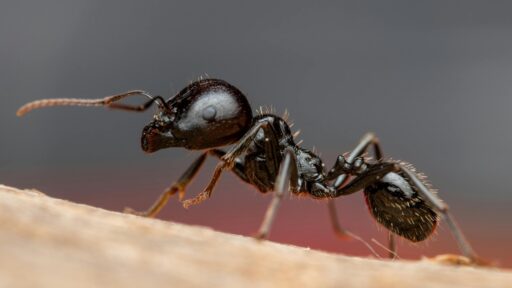
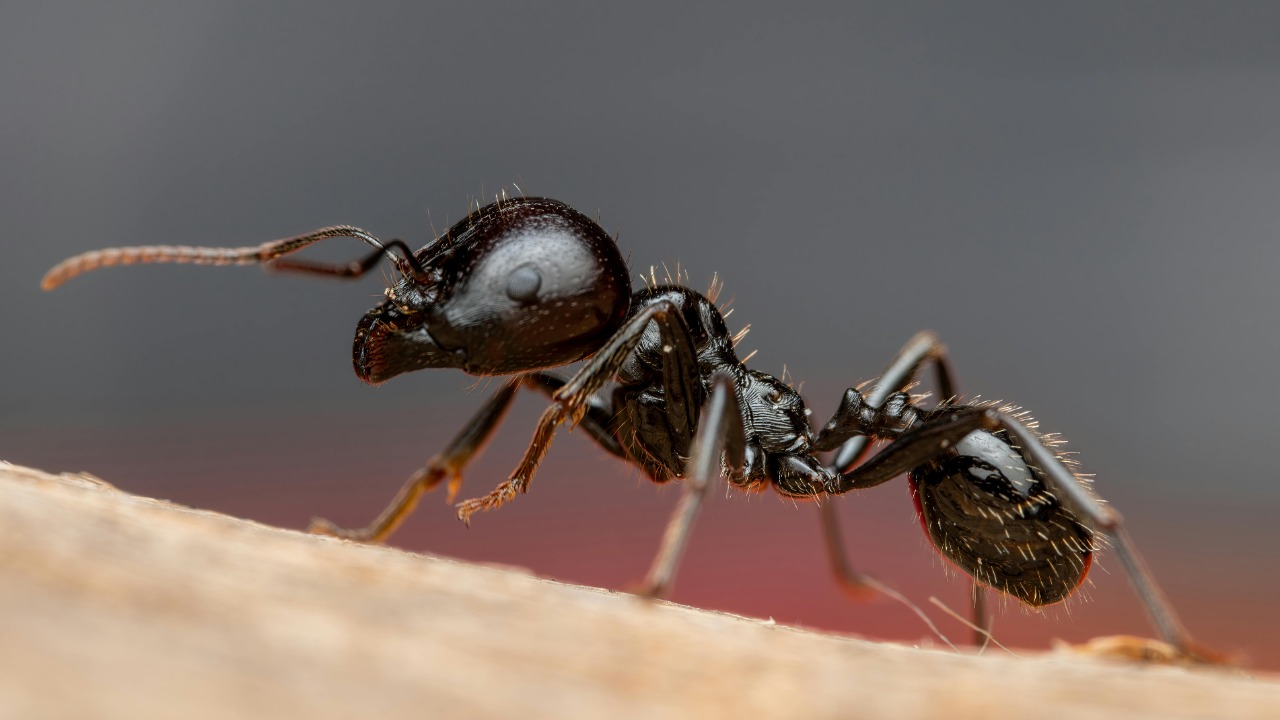
The ants themselves are relatively small, typically about 5 millimeters long, with dark brown to black bodies and a lighter, slightly orange-tinted stinger at the end of the abdomen. Colonies nest in soil, mulch, rotting wood, and under stones, often in shaded, moist spots that are common in residential landscaping. Because they do not build conspicuous mounds like fire ants, their presence can go unnoticed until someone disturbs a nest and is stung.
Public health agencies and local news outlets have begun airing warnings as the species becomes more visible. In Georgia, for example, pest experts have described an “invasion” of Asian needle ants in some communities and have urged residents to learn how to recognize the insects and respond to stings. Local coverage has highlighted that the ants can deliver a potent sting and that people with a history of insect venom allergy should be particularly cautious, with Georgia reports emphasizing both the pain and the potential for serious reactions.
Why it matters
The spread of Asian needle ants matters on two fronts: human health and ecological disruption. On the health side, the sting can be more than a painful nuisance. Physicians have documented systemic allergic reactions that resemble those caused by bee or wasp stings, including rapid-onset hives, throat swelling, and drops in blood pressure. For people who are sensitized to the venom, a single sting can trigger anaphylaxis that requires immediate medical care. The suspected fatal case linked to this species has intensified concern among allergists and emergency doctors who work in regions where the ants are now established.
Unlike some stinging insects that are primarily active in open fields or high in trees, Asian needle ants often nest at ground level in places where people garden, hike, or play. That increases the odds of accidental contact. The ants are also capable climbers and can enter homes through small gaps, which means indoor stings are possible if colonies establish near foundations or in crawl spaces. For parents, pet owners, and older adults, the combination of low visibility and high sting risk makes these insects a serious quality-of-life issue in affected neighborhoods.
Ecologically, Asian needle ants are displacing native ant species that play key roles in forest and urban ecosystems. Research from the University of Georgia has shown that the species can outcompete both native ants and other invasive species, including Argentine ants, in some habitats. As field experiments have documented, Asian needle ants can dominate leaf litter communities, altering seed dispersal patterns and the breakdown of organic material, which in turn affects plants and other invertebrates that depend on those processes.
In North Carolina, entomologists have warned that the ant’s expansion could reshape local ecosystems, particularly in mixed hardwood forests and suburban woodlots. Native ants that distribute seeds, aerate soil, and serve as prey for other animals are being pushed aside in some invaded sites. Experts at North Carolina State University have told residents that the species is not just a backyard pest but a broader environmental concern, as state observations show it moving into new counties and habitats.
New Jersey’s experience illustrates how quickly the stakes can rise once the ants gain a foothold in a new region. Environmental officials there now face a dual challenge: protecting sensitive natural areas where the ants can disrupt native communities, and responding to homeowners who are suddenly dealing with a dangerous stinging insect they have never heard of. Reports from North Jersey communities describe residents surprised to learn that the small dark ants in their mulch beds are capable of serious stings and may not respond to standard ant treatments.
The species also complicates existing pest management strategies. Many control products and approaches are designed for more familiar ants like fire ants or carpenter ants and may not work as well on Asian needle ants, which can nest in scattered small colonies and relocate when disturbed. In some cases, aggressive but poorly targeted pesticide use can harm beneficial insects and still fail to eliminate the invader, creating a cycle of frustration for property owners and land managers.
For public health planners, the ant’s expansion intersects with broader concerns about climate and land use. Warmer winters and fragmented forests can create ideal conditions for the species to move north and into new types of habitat. As the national sting map shows, confirmed records are no longer confined to the Deep South, suggesting that more states may need to prepare for both ecological impacts and rising demand for medical guidance on stings.
What to watch next
Scientists and public agencies are now focused on tracking where Asian needle ants go next and how quickly they move. Expanded monitoring programs in states like North Carolina, Georgia, and New Jersey are gathering data on colony locations, habitat preferences, and seasonal activity. Those efforts are expected to feed into updated risk maps that can help local governments decide where to prioritize outreach, habitat management, and, in some cases, targeted insecticide treatments.