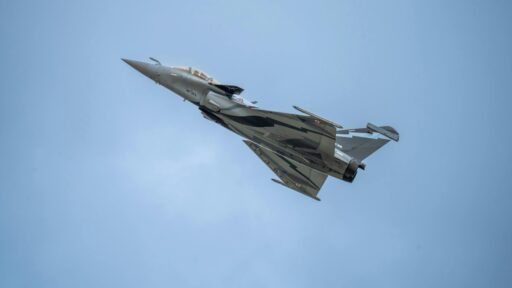
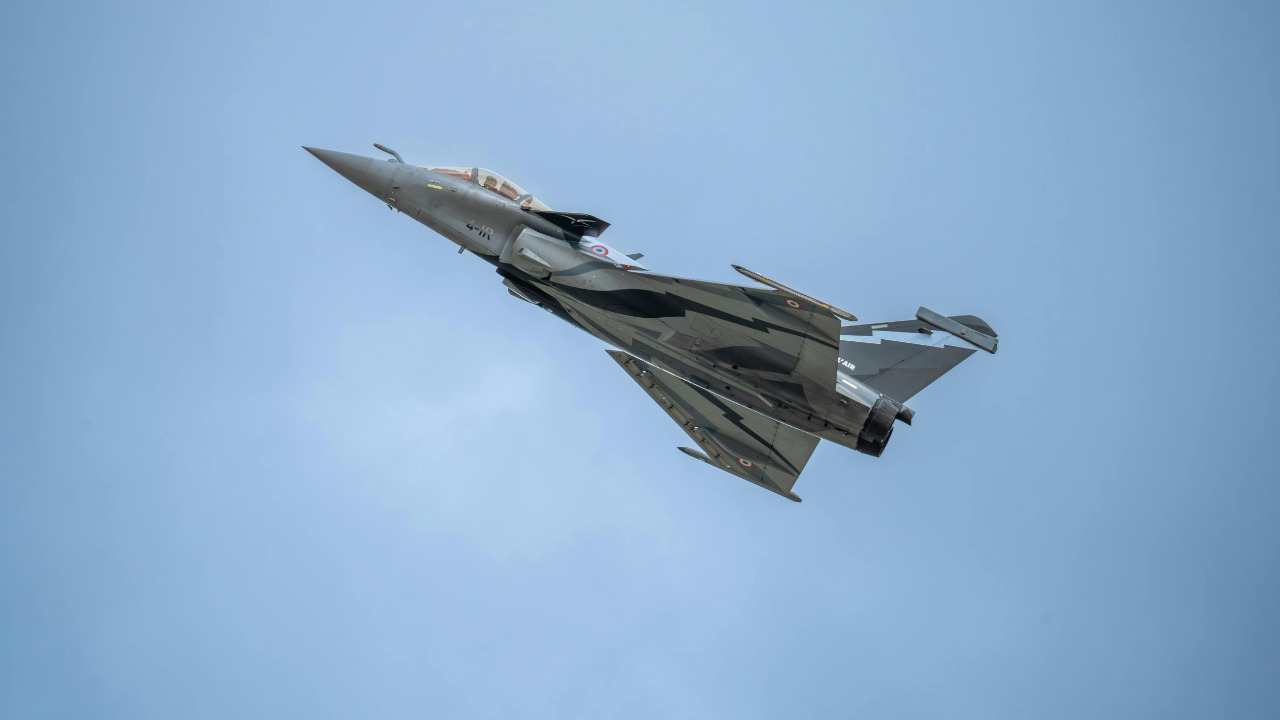

Ukraine is moving from political declarations to hard cash as it prepares prepayments for future fleets of Gripen and Rafale fighter jets, signaling that long-term air power plans are entering a concrete financial phase. President Volodymyr Zelenskyy has cast these purchases as part of a broader push to secure a modern, Western-equipped air force that can match Russia in the skies and anchor Ukraine’s defenses for decades. Early agreements for large numbers of Swedish Gripen and French Rafale jets now appear to be shifting into implementation, with Kyiv working through how to fund and phase deliveries while the war continues.
The scale of the ambition is striking: Zelenskyy has spoken of Ukraine expecting 150 Swedish Gripen fighters and 100 French Rafale jets, figures that would transform the country’s air capabilities if fully realized. Prepayments for the first aircraft are intended not only to lock in production slots and financing terms, but also to show European partners that Ukraine is ready to shoulder part of the cost of its own security even as it relies on military aid.
From political pledges to prepayments
Ukrainian media report that the government is preparing initial payments for both Gripen and Rafale aircraft, a step that moves earlier letters of intent into the realm of binding contracts. According to detailed coverage of these preparations, Kyiv is working on prepayments for the first Gripen fighters from Sweden and for Rafale jets from France, with officials treating these transfers as a test of Ukraine’s ability to finance high-value defense imports while under attack. The planning reflects a belief that committing funds now can accelerate delivery schedules and secure priority in production lines already crowded with export orders, as described in reporting on Ukraine preparing prepayments.
These financial steps build on a series of agreements that Zelenskyy has highlighted in public statements. He has said Ukraine has agreements with international partners for the delivery of 150 new Swedish Gripen fighter jets and 100 French Rafale jets, framing the numbers as part of a long-term modernization plan rather than a short-term wartime surge. Ukrainian accounts describe these commitments as stretching over a decade or more and involving cooperation with foreign defense companies that already operate in Ukraine, a point reflected in coverage of Ukraine expects 150.
Why Gripen and Rafale fit Ukraine’s strategy
Kyiv’s choice of Gripen and Rafale reflects a deliberate strategy to build an air force that can survive and operate in a heavily contested environment. The Swedish Gripen family, particularly the Gripen E variant, has been promoted to Ukraine as a fighter optimized for dispersed operations from short or damaged runways, with relatively low operating costs and strong integration with Western weapons. Analysts in Ukraine have argued that these traits make Gripen especially suitable for a country that must cope with frequent missile strikes on air bases and a patchwork of repaired infrastructure, a view echoed in detailed analysis of the Gripen E deal that Kyiv is exploring with Sweden.
The Rafale, built by Dassault, fills a different role in Ukraine’s planning as a heavy multirole fighter that can carry a wide range of air-to-air and air-to-ground weapons, including long-range precision munitions. Ukrainian commentary presents Rafale as the second combat aircraft selected to form the backbone of the future air force, complementing Gripen with deeper strike and air superiority missions. French officials have already signed a letter of intent with Ukraine for up to 100 Rafale warplanes and associated air defense systems, a package that includes training and industrial cooperation, as described in reports on Ukraine’s Rafale plans.
Financing a 250 jet vision
Zelenskyy and his advisers have repeatedly described a target of building a future fleet of about 250 Western fighters, with Gripen and Rafale at its core. Social media posts that summarize official statements speak of “Ukraine Lays Groundwork for a Modern Air Force” and refer to plans for up to 250 F 16, Gripen, and Rafale fighters, presenting this number as the end state of a multi-year procurement and training effort. Separate Ukrainian reporting has stated that Ukraine and Sweden signed a declaration of intent to supply 120 to 150 new-generation Gripen E fighter jets over the next 10 to 15 years, while parallel agreements with France cover 100 Rafale jets and associated systems, figures that together match the 250-aircraft ambition and are echoed in coverage of agreements for 250.
Financing such a fleet will require a mix of Ukrainian budget funds, export credit arrangements, and creative use of European mechanisms. Analysts who follow the Rafale letter of intent have noted that Ukrainian and French officials are lobbying for the European Union to use billions of euros in frozen Russian assets to support Ukraine’s defense acquisitions, including its fighter jet plans. Their argument is that Russian state funds seized under sanctions should help pay for the aircraft that will defend Ukraine against Russian attacks, a concept that has been linked directly to the Rafale deal in assessments of how instead lobbying to unlock Russian assets for defense spending.
Interaction with F 16 deliveries and current combat needs
Even as Ukraine prepares to pay for Gripen and Rafale, its immediate air war still depends heavily on Soviet-era aircraft and the first batches of F 16 fighters supplied by Western partners. Analysts have argued that the near-term challenge is how to employ F 16s effectively without exposing them to overwhelming Russian air defenses, and some have proposed redeploying Ukrainian F 16s to bases outside the country for certain missions. A detailed strategic paper has suggested that stationing some F 16s in allied territory could allow them to operate in ways that hurt Russia while reducing vulnerability on the ground, an idea explored in analysis of how to redeploy Ukraine’s F for maximum impact.
Within this context, Gripen and Rafale are framed not as substitutes for F 16s but as part of a layered, long-term mix. Ukrainian planning documents and public statements describe F 16s as a bridge capability that can quickly integrate with existing Western air defense and strike networks, while Gripen and Rafale are treated as the core of a future indigenous fleet that Ukraine will own outright and sustain through local partnerships. Commentators in Kyiv have emphasized that training pipelines, maintenance facilities, and weapons integration for Gripen and Rafale will take years to mature, which is why prepayments and early financing arrangements are being pursued now even while the front line depends on older aircraft.
Swedish and French politics behind the jets
The success of Ukraine’s fighter plans also depends on domestic politics in Sweden and France, where governments must balance industrial interests, alliance commitments, and public opinion. In Sweden, debates over supplying Gripen E to Ukraine have focused on the impact on the Swedish Air Force and on export credit guarantees that would shield Swedish taxpayers from excessive risk. Reports on the financing structure describe options such as state-backed loans, phased payments, and possible European Union involvement, with Swedish officials exploring how a Gripen E deal could be structured without undermining Sweden’s own defense plans.
In France, President Emmanuel Macron has presented the Rafale agreement as both a contribution to Ukraine’s security and a boost for French industry, particularly for Dassault and its supply chain. French media coverage of the letter of intent signed in Paris has highlighted that Ukraine plans to buy up to 100 Rafale warplanes and air defense systems from France, with the deal framed as a long-term partnership that includes training and potential production cooperation inside Ukraine. Reports from Paris describe the ceremony where Ukraine on a Monday signed the letter of intent with France for Rafale, an event captured in coverage of Ukraine signs a that marked a political milestone before the current prepayment phase.