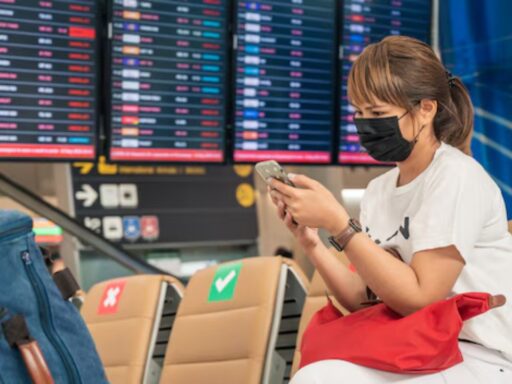
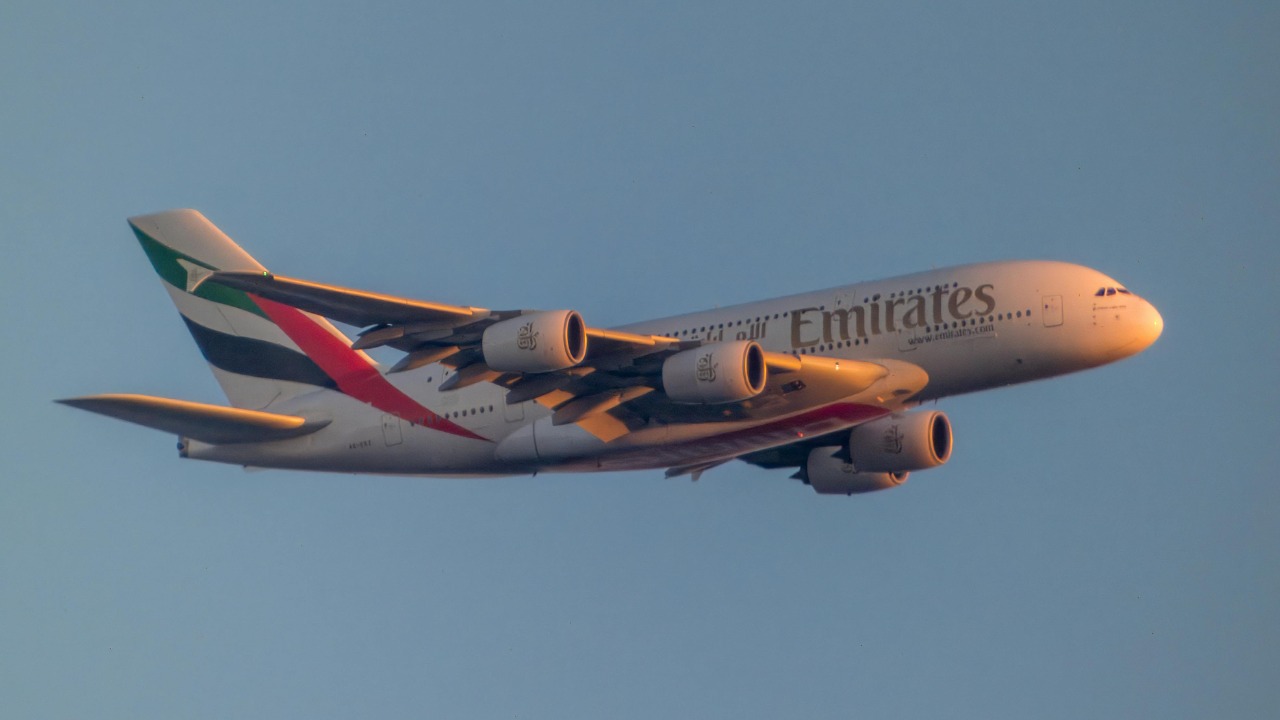

As conflict in the region disrupts airspace across the Gulf, Dubai’s usually packed departure boards have thinned to a handful of outbound services. Emirates is among a very small group of carriers preparing to restart departures within hours, even as most flights remain grounded and thousands of travelers wait for clarity. The shift from a near total standstill to a carefully managed trickle of traffic marks a tense new phase for Dubai’s role as a global hub.
Authorities and airlines are trying to balance safety, military restrictions, and the economic weight of keeping Dubai connected. Limited departures from Dubai International Airport and Dubai World Central are being framed as exceptional operations rather than a full reopening, with Emirates and flydubai prioritizing stranded passengers while warning that conditions can still change quickly.
From blanket suspensions to “exceptional” flights
The day began with Emirates in full shutdown mode, after regional airspace closures and safety concerns forced the carrier to halt all services to and from Dubai. The airline’s own advisory explained that flight cancellations in Dubai, Qatar and Abu Dhabi described terminals filled with grounded aircraft and passengers stuck in transit as Iran’s conflict spilled into aviation. With multiple national airspaces partially or fully closed, carriers had little choice but to suspend or reroute services. For Emirates, which relies on Dubai as a single megahub, the decision to stop almost all movements to protect passengers and crew marked one of the most severe operational shocks in its history.
Dubai Airports’ cautious restart plan
Against that backdrop, Dubai’s airport operator moved to a limited restart, not a full reopening. In an evening statement, Dubai Airports confirmed that Dubai International Airport would see a small number of flights resume, with operations explicitly described as “limited.” The operator framed the move as a controlled response to evolving security assessments after an earlier “incident” at the facility, stressing that safety procedures and orderly flows on the ground remained the priority.
Further detail from local coverage noted that Dubai Airports was coordinating closely with airlines and air traffic control to ration scarce slots and avoid crowding at terminals. One report highlighted how Dubai Airports has while emphasizing the resilience of the hub amid global challenges. By keeping the scale of operations small, the operator aims to test security arrangements and staffing under conflict conditions without triggering unmanageable crowds or bottlenecks.
Emirates among the first to depart again
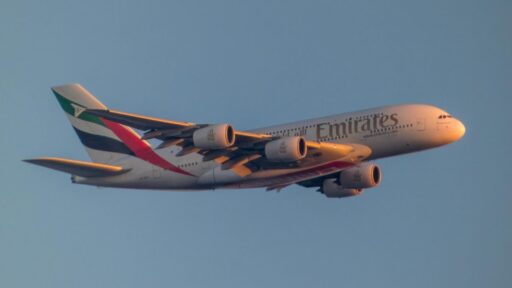
Within that carefully controlled restart, Emirates has emerged as one of the select carriers cleared to move passengers out of Dubai. Updated guidance explained that the airline had been given permission to operate a small number of so called exceptional flights from Dubai International, with priority for travelers who had already been rebooked. One detailed advisory on the carrier’s schedule stated that priority would be as services resume gradually, and that the safety of customers and crew remains its highest priority.
Local travel reporting echoed that message, explaining that Emirates would initially resume only a narrow set of routes and urging travelers to check their flight status before heading to the airport. One roundup by Findlay Mair March described how Emirates to resume meant that some passengers would finally be able to leave Dubai on Monday March, while many others would still face delays. That same guidance stressed that only customers with confirmed bookings on these initial flights should travel to DXB, in order to prevent congestion at check in and security.
flydubai and other carriers share tight departure windows
Emirates is not alone in this first wave of outbound services, but the group of airlines allowed to operate remains very small. Sister carrier flydubai has announced that it will operate a limited number of flights on the evening of Monday, with departures specifically from Dubai International and its DXB hub. An official update confirmed that flydubai will operate in that evening window, underlining that the schedule remains highly constrained.
The same communication also set out how Emirates Airline and flydubai had temporarily suspended operations to and from Dubai up until 3:00 pm on Sunday, a pause that illustrates how tightly authorities are controlling the timing of departures. In that notice, Emirates Airline and were grouped with other carriers that had to halt flying “due to the ongoing situation,” reinforcing the idea that only a narrow set of exceptional flights would be allowed to operate. For passengers, that means even those holding tickets on major Gulf airlines such as Etihad or Air Arabia may find their flights still suspended while Emirates and flydubai run a small number of departures.
Passengers caught between war, airspace closures and rebooking rules
Behind these limited departures lies a wider story of disruption that stretches across the region. One detailed account of Dubai Airport’s closure explained how Dubai Airport closed as war in the region continued, leaving runways quiet and terminals filled with waiting travelers. Another update focused on how Emirates extended flight cancellations as attacks continued, with By Gavin Gibbon reporting that passengers photographed by Reuters and Johannes Christo were still waiting for their Emirates flight while services to countries such as Bahrain, Kuwait and Qatar stayed on hold.
Customer guidance has tried to offer structure amid that uncertainty. The airline’s main advisory page for temporary flight suspensions explained that multiple airspace closures had forced sweeping cancellations and urged passengers to check the latest update, last revised in Dubai GMT time, before traveling to the airport. A separate travel advisory framed as an Emirates Flight Suspension Update even set out a question titled Why did Emirates suspend flights to Dubai, and listed a contact number formatted with the figures 866, 284 and 3.014 for further assistance, reinforcing how formal the suspension had become. In that document, Why did Emirates was answered directly: the carrier cited regional airspace closures and security concerns as the reason for grounding its network.