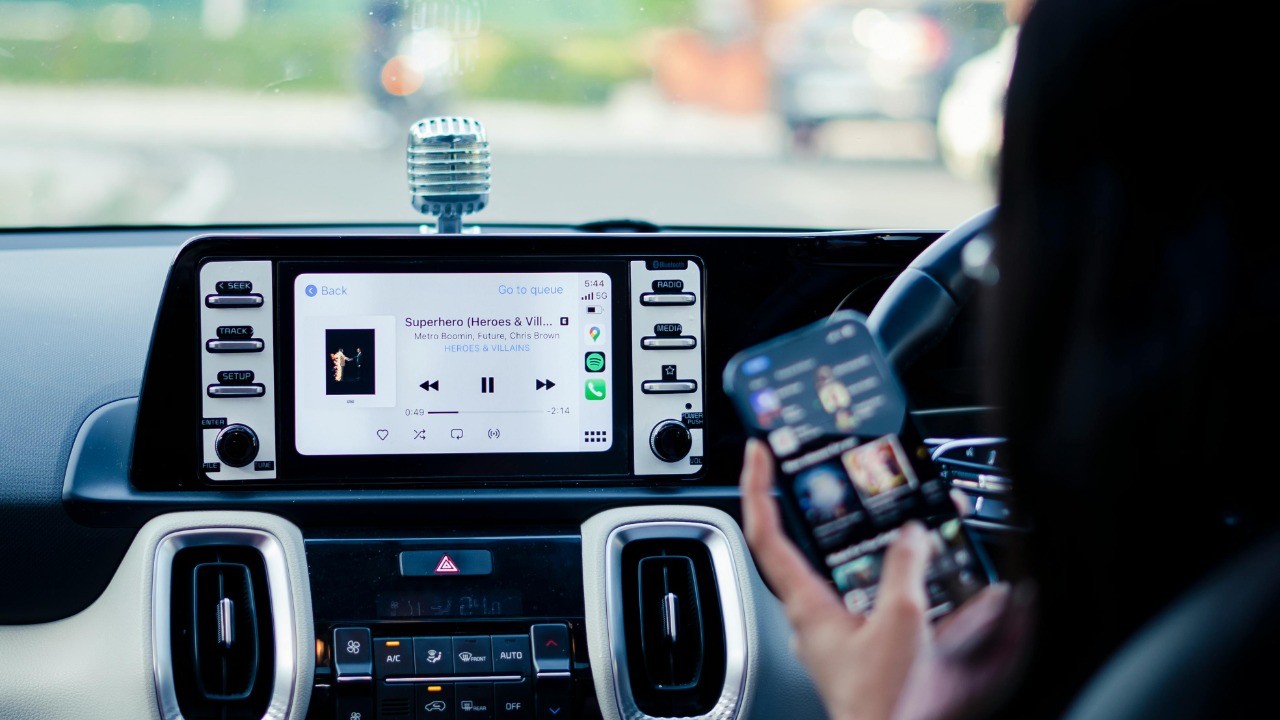

Apple’s most ambitious in-car software yet is finally breaking out of its ultra-luxury bubble. After debuting in a handful of Aston Martin models, CarPlay Ultra is now set to reach a broader mix of brands and price points, turning entire dashboards into extensions of the iPhone. The next wave of supported cars will determine whether Apple’s vision of a phone-powered cockpit becomes the default, or remains a premium niche.
I see this rollout as a stress test for both Apple’s strategy and automakers’ appetite for ceding control of the dashboard. The confirmed and expected partners span Aston Martin, Hyundai, Kia, Genesis and more, but they are arriving just as companies like General Motors and BMW double down on their own software. That tension will shape what drivers actually get when they tap the CarPlay icon in their next new car.
What makes CarPlay Ultra different
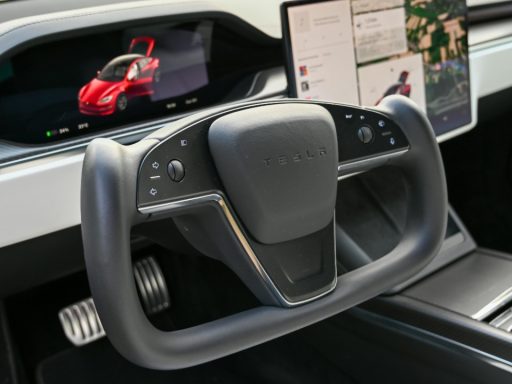
CarPlay Ultra is not just a prettier version of the old grid of app icons, it is a full takeover of the car’s digital real estate. Instead of living in a single center screen, the Next gen system stretches across all of a vehicle’s displays, including the instrument cluster behind the steering wheel and any passenger screens, with Key Takeaway descriptions highlighting how Ultra can show maps, media and widgets wherever the automaker allows. That means Apple’s interface can sit directly in front of the driver, replacing traditional gauges with customizable layouts that still surface speed, range and other essentials.
Under the skin, Ultra also reaches deeper into the car’s controls than classic CarPlay ever did. Instead of just mirroring apps, it can present native-looking tiles for climate, seat settings and vehicle data such as fuel level and engine temperature, with Last year’s launch materials stressing that Apple wants drivers to adjust the cabin without leaving its interface. In practice, that turns the car into another Apple-style product, where the iPhone becomes the brain and the vehicle’s screens are just peripherals.
From Aston Martin showcase to mainstream brands
Apple chose the very top of the market to debut Ultra, partnering with Aston Martin so that the first production cars with the system were exclusive grand tourers and SUVs. The initial rollout focused on Aston Martin vehicles, with Apple’s own announcement noting that Ultra was starting there before expanding more widely. Reviewers quickly framed it as a luxury experiment, with one early hands-on pointing out that the New Apple system arrived first in a 2025 Aston Martin priced from a “lazy” six-figure sum, underlining how far it was from everyday family cars.
That exclusivity was even starker in the Aston Martin DBX, where a detailed video walkthrough showed how Apple CarPlay Ultra wrapped itself around the SUV’s multiple displays and controls, reinforcing that Aston Martin DBX buyers were effectively beta testing Apple’s most aggressive in-car interface. Another clip of Apple CarPlay Ultra in an Aston Ma cockpit circulated widely, with Apple’s own marketing inviting viewers to Continue watching how the system behaves in motion, and positioning Apple as the curator of the entire driving experience.
The next wave of supported brands
The real shift comes this year, as Ultra moves from six-figure exotics into more attainable cars. Apple has already confirmed that Hyundai, Kia and Genesis are next in line, with a launch overview noting that Hyundai, Kia and Genesis would follow Aston Martin as official partners. A separate breakdown of which cars have the Next generation system singles out the Hyundai Ioniq 3 as one of the first mainstream EVs expected to ship with Ultra, with Ultra support framed as a selling point for tech-focused buyers.
Apple’s own community of watchers has been tracking the rollout closely, and recent posts summarizing the expansion list a growing roster of Confirmed or Expected partners. One widely shared update from Asa LeSage at 4:35 PM highlighted Aston Martin as Already offering Ultra, while flagging other brands as Launch Soon as Apple’s pipeline fills out. A companion post on social media echoed that After months of delays, Apple was finally ready to bring Ult to more automakers, even if it still did not disclose a precise timeframe for every model, with After and Apple both underscoring the sense of pent-up demand.
Who is sitting out the Ultra experiment
Even as Apple lines up new partners, some of the world’s biggest carmakers are keeping CarPlay Ultra at arm’s length. A detailed rundown of holdouts notes that Ultra has launched, but several major brands have not pledged support, including BMW, Toyota, Mercedes, Benz and Volkswa, with Ultra skeptics arguing that giving Apple control of the main screens would dilute their own brand identity. That stance builds on years of investment in proprietary infotainment, with BMW in particular having spent more than a decade refining its touchscreen and controller interface, to the point where one retrospective noted that Now every premium automaker has its own system and competes on that software experience.
General Motors has gone even further, publicly deciding to dump Apple CarPlay and Android Auto Having and instead “go it alone” on software for both EVs and combustion models, with General Motors making clear it wants direct control over data and subscriptions. That move fits into a broader pattern where Other major automakers are also thinking about building in-house infotainment platforms, wary of giving too much power to phone companies and instead developing their own systems, as Other industry analysis has pointed out.
Why Ultra’s expansion matters for drivers
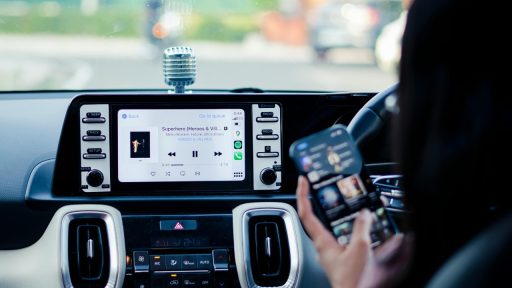
For drivers, the stakes are simple: either the car’s software feels like a natural extension of the phone, or it feels like a separate, sometimes clunkier world. Next gen CarPlay promises the former by letting Ultra span every screen and pull in navigation, messages and media with the same design language as the iPhone, with Next generation descriptions emphasizing that continuity. That is why some early adopters describe Ultra as Apple taking over your car, a phrase echoed in reviews that show the New Apple interface running across the 2025 Aston Martin cockpit and argue that Apple is poised to dominate the in-car experience, with Apple and Ultra repeatedly framed as the central characters.
Yet that convenience comes with trade-offs that automakers and regulators are still unpacking. According to Bloomberg, Apple has been working closely with at least one major car company on deep integration of its driving software, with reports noting that only wireless connectivity will be supported in some setups, as According to Bloomberg coverage of Apple’s plans. That kind of tight coupling raises questions about long-term support, data sharing and how much control drivers really have if their car’s core functions depend on a single smartphone ecosystem.