
Chinese researchers have unveiled what they describe as the world’s first self-powered eye-tracking system, a wearable interface that lets people with severe paralysis steer and energize a wheelchair using nothing more than eye movements and blinks. By turning the simple act of blinking into both a power source and a control signal, the technology promises new independence for patients with amyotrophic lateral sclerosis, or ALS, who often retain full eye control even as their muscles fail. It is an incremental step in hardware, but a potentially radical shift in how people with profound disabilities can move, communicate and participate in daily life.
Instead of relying on bulky cameras, infrared emitters or external batteries, the new system harvests the tiny bursts of mechanical energy generated every time a user blinks and converts them into electricity. That energy runs a compact sensor that tracks gaze direction and blink patterns, which are then translated into wheelchair commands such as start, stop, turn and adjust speed. For ALS patients who currently depend on caregivers for even the smallest movement, the prospect of piloting a chair with their own eyes is more than a technical upgrade, it is a restoration of agency.
From lab breakthrough to ALS lifeline
Researchers in China have been working toward this moment for years, but the latest prototype marks a clear break from earlier eye-controlled systems that were either tethered to power supplies or limited to communication screens. In JINAN, Jan reports describe how a team of Researchers in China created a self-powered eye-tracking system that uses the energy of a blink to drive its own electronics, eliminating the need for external light sources or wired power. By focusing on ALS, a condition where many patients lose almost all voluntary movement except for their eyes, the group is targeting a population for whom even small gains in autonomy can be transformative, especially when the technology can help paralyzed patients control wheelchairs in real time.
The same project is highlighted as a way to let individuals with ALS who retain eye movement operate mobility devices and interact with their surroundings more directly, rather than relying solely on caregivers or slow letter boards. Reports on the technology explain that the system captures the mechanical motion of eyelids closing and opening, converts it into electrical energy, and then uses that power to track gaze direction with enough precision to map eye movements to directional commands. In that sense, the device is not just another assistive gadget, it is a lifeline that could allow ALS patients to navigate their homes, approach family members or reach a window on their own, all by harnessing the natural rhythm of their blinks.
How ET-TENG turns blinks into power and control
At the heart of the system is a sensor architecture that treats every blink as both a fuel source and a data point. Chinese reports describe how the device, Dubbed ET, TENG, uses a triboelectric nanogenerator structure that converts the tiny mechanical force of eyelid motion into usable current. That harvested energy powers the sensor itself, which tracks the relative position of the eyeball and eyelid, allowing the system to infer where the user is looking and whether a blink is intentional or just part of normal eye lubrication. Because the sensor is self-sufficient, it avoids the bulk and heat of battery packs that can make traditional headsets uncomfortable or impractical for all-day wear.
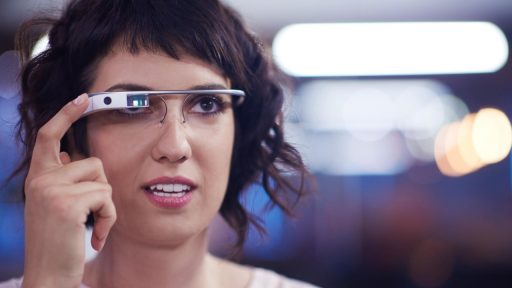
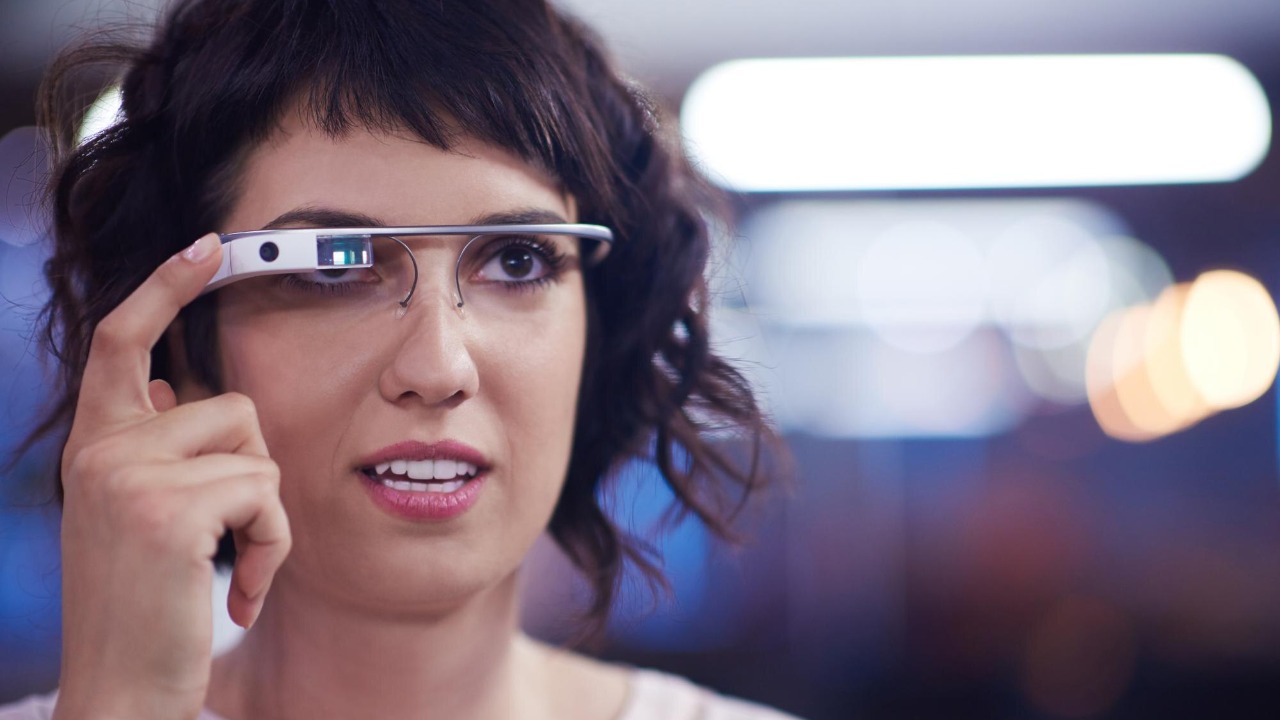
Researchers at Qingdao University in China are credited with refining this approach into a first-of-its-kind eye-tracking system that is compact enough to integrate into everyday eyewear. According to descriptions of the prototype, the hardware is designed to sit close to the eye like a contact-lens-like component, yet it can also be mounted in frames that resemble standard glasses, which helps reduce stigma and improve comfort for long-term use. By embedding the triboelectric generator and tracking elements into this small form factor, the team at Qingdao University in China has created a platform that can, in principle, be adapted not only for wheelchairs but also for other assistive devices that respond to gaze and blink patterns.
Self-powered and wearable by design
What sets this system apart from earlier eye-control interfaces is its emphasis on being both Self powered and wearable, rather than a stationary rig that patients must position themselves in front of. Reports on the wheelchair integration describe a dual-layer design that combines contact-lens-like components with a lightweight frame, creating a stable interface that moves with the user’s head and eyes. This configuration allows the device to maintain accurate tracking even when the wheelchair is in motion, and it also means the user does not need to constantly re-align with a camera or sensor bar mounted on a desk or chair.
Technical descriptions emphasize that the dual-layer structure is key to achieving true energy self sufficiency, since it maximizes the contact area and relative motion needed for the triboelectric effect without adding significant weight. The result is a system that can harvest enough power from routine blinking to run its own sensing and signal processing, even during extended use. For ALS patients who may spend most of their day in a wheelchair, that self-contained design reduces the risk of system failure due to dead batteries or unplugged cables, and it opens the door to using the interface outdoors, in vehicles or in clinical settings where power outlets are not always within reach.
From lab demo to real-world wheelchair control
The most compelling demonstrations so far involve wheelchair-bound users steering through obstacle courses using only their eyes. Study author Professor Yun, Ze Long has explained that the team developed a self-powered eye-tracking system that harvests energy from blinking and is as comfortable as everyday glasses and contact lenses, which is crucial if patients are expected to rely on it for hours at a time. In test scenarios, users learned to associate specific gaze directions and blink sequences with commands such as moving forward, turning left or right, and stopping, with the system translating those patterns into control signals for the wheelchair’s motors.
Independent summaries of the research describe the device as a self-powered eye tracker that harnesses energy from blinking and is as comfortable as everyday glasses, highlighting that comfort is not a cosmetic detail but a safety feature. Assistive devices that enable wheelchair control must avoid causing eye strain with prolonged use, since fatigue could lead to misinterpreted commands or force patients to remove the interface altogether. By keeping the hardware light and the sensing passive, relying on natural blinks rather than exaggerated winks or head jerks, the designers have tried to ensure that users can operate their chairs for extended periods without discomfort or loss of precision.
What it means for ALS care and the future of assistive tech
For people living with ALS, the promise of this technology is not just about moving a wheelchair more efficiently, it is about reclaiming moments of spontaneity that disease often erases. Reports on the system note that the technology could allow individuals with ALS who retain eye movement to navigate their surrounding environment more independently, using eye-tracking to help paralyzed patients control wheelchairs and potentially interact with smart home devices. In practical terms, that might mean an ALS patient deciding on the fly to roll into the kitchen, join a family conversation in the living room or step outside onto a balcony, without waiting for a caregiver to interpret their wishes and push their chair.