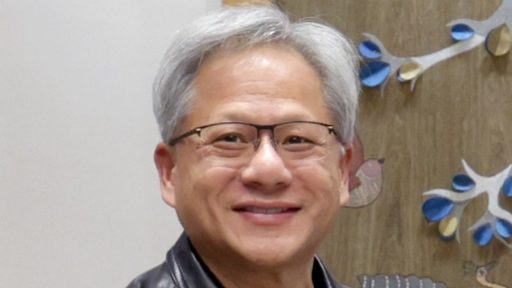
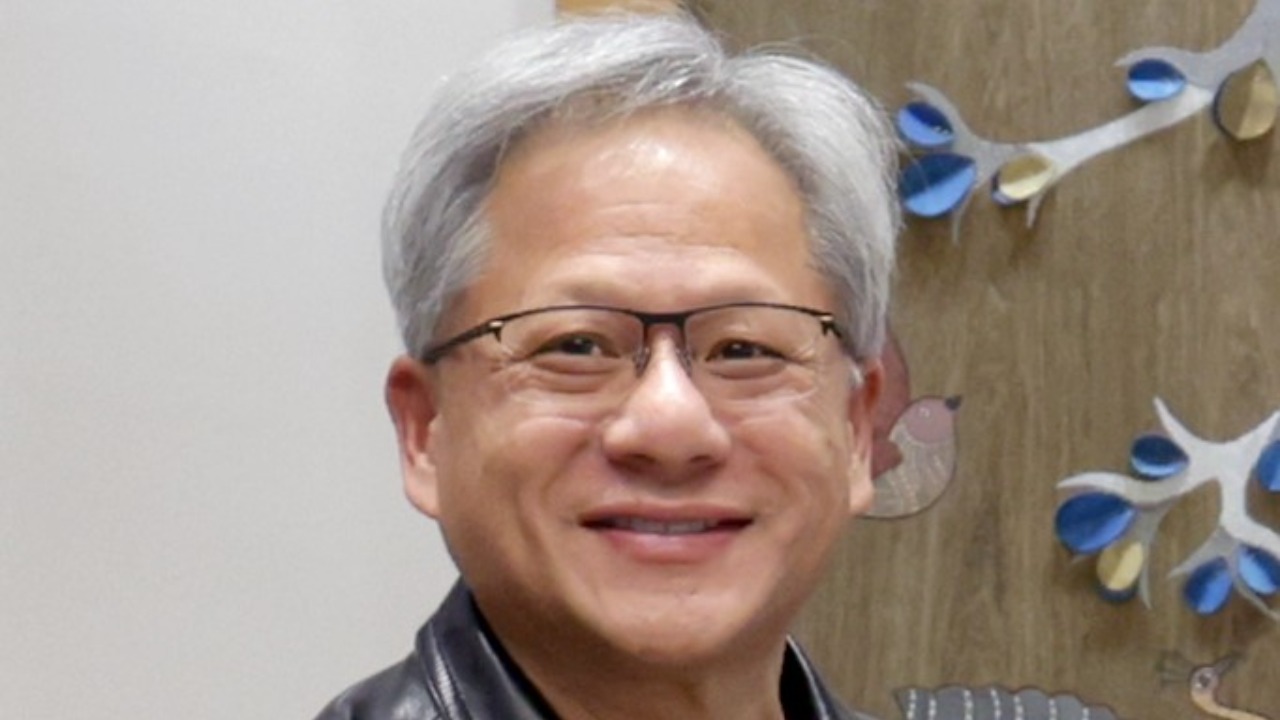

Jensen Huang’s latest trip to Taiwan turned into a rolling street spectacle and a high-stakes supply-chain summit at the same time. Mobbed by fans who have nicknamed him “the people’s dad,” the Nvidia co-founder used his celebrity to both flatter and pressure the local companies that keep the world’s most coveted AI chips flowing. His message mixed optimism about booming demand with pointed warnings that the weakest link in the chain could still choke the industry’s momentum.
Huang’s visit underscored how central Taiwan has become to the artificial intelligence boom and how much leverage Nvidia now wields over its partners. By praising suppliers in public while privately pushing them to move faster and invest more, he signaled that the next phase of AI growth will be won not just in data centers and research labs, but in the factories and foundries that can keep up with his ambitions.
Celebrity treatment in Taiwan, strategic intent underneath
On the streets of Taiwan, Huang now moves with the kind of entourage and crowd crush usually reserved for pop stars. Local fans swarm him for selfies and autographs, and local media, described as “Local” in the reporting, track his restaurant stops and casual conversations as if they were state visits. The affectionate label “the people’s dad” captures how a chip executive has become a folk hero, especially among younger engineers who see Nvidia’s rise as proof that their island sits at the center of the global tech map.
Behind the fanfare, Huang is carefully reinforcing Nvidia’s strategic ties to the ecosystem that makes its success possible. He co-founded the California-based giant and, as Nvidia’s public face, he uses these trips to remind suppliers that their fortunes are tied to his roadmap. The same reports that dwell on his celebrity also note how he moves from factory tours to closed-door meetings, blending soft power with hard-nosed expectations for performance and capacity from the companies that fabricate and assemble his most advanced AI chips.
Praise and pressure for Nvidia’s critical suppliers
Huang’s tone with suppliers in Taipei is a study in contrasts: generous in public, demanding in private. In front of cameras he lauds the engineering prowess of the local ecosystem, calling out how crucial its chipmakers and component specialists are to Nvidia’s leadership in accelerated computing. Yet in the same breath he raises alarms about bottlenecks, especially around the memory chips that feed his latest AI accelerators, warning that shortages could slow deployments just as demand is exploding, according to detailed accounts of his meetings in Taipei.
That mix of flattery and pressure reflects Nvidia’s unusual position in the supply chain. As Nvidia’s CEO, Huang can credibly tell partners that “it would be another good year for business,” because hyperscalers and enterprises are still scrambling to secure his GPUs for AI applications. At the same time, he is blunt that memory producers and other component makers must expand faster if they want to capture that upside, making clear that Nvidia will reward those who move aggressively and risk leaving behind those who hesitate.
From emigrant engineer to “people’s dad” power broker
Huang’s ability to command that kind of attention in Taiwan is rooted in his personal story as much as Nvidia’s market cap. He emigrated to the United States as a child, then built his career in California’s semiconductor industry before co-founding Nvidia and riding the GPU from gaming niche to AI backbone. When he returns to Taiwan, he is greeted not just as a visiting executive but as a hometown success story who turned technical skill and relentless ambition into global influence.
Local coverage, again using the shorthand “Local” for domestic outlets, emphasizes how he is met by a throng of adoring fans whenever he visits, with crowds forming outside hotels, restaurants, and tech campuses. I see that adulation as more than celebrity worship. It reflects a deeper pride that someone with roots on the island now sits at the center of the AI race, shaping investment flows and research priorities from Silicon Valley to Asia. In that sense, the “people’s dad” nickname is also a recognition that Huang has become a kind of informal ambassador for Taiwan’s role in the global technology supply chain.
Big bets on AI demand, from OpenAI to memory chips
Huang’s confidence in another strong year for Nvidia is not just rhetoric aimed at cheering up suppliers. He is backing that optimism with capital, signaling that Nvidia’s investment in the latest OpenAI fundraising round could be its largest yet. In one account, Jens Huang is quoted explaining that he is comfortable with the scale of the commitment because “it’s such a good investment,” a remark highlighted in coverage by Debby Wu and her colleagues, identified as “Debby Wu and” and “Bloomberg,” who also note that he has been involved in OpenAI’s previous rounds and sees this one as potentially the most significant in terms of size.
That willingness to double down on OpenAI, even as Nvidia grapples with supply constraints, shows how tightly Huang links his hardware roadmap to the fortunes of leading AI labs. If OpenAI’s models grow more capable and more widely deployed, demand for Nvidia’s accelerators will keep rising, which in turn justifies his insistence that memory makers and other suppliers ramp up capacity. The same reports that quote his bullishness on OpenAI also stress his concern that shortages of memory chips used in AI applications could become a drag on growth, reinforcing his message in Taipei that the entire ecosystem must scale together if it wants to capture the next wave of AI spending.
A “trillion-dollar” dinner and the future of the AI supply chain
Nothing captured the blend of symbolism and strategy on Huang’s trip quite like the so-called “Trillion Dollar” dinner he hosted with key Taiwanese partners. Held at a Local Taiwanese restaurant, the gathering brought together executives from across the AI hardware stack for what one analysis described as NVIDIA’s “Trillion Dollar Dinner With Taiwanese Partners Shows Us Why Jensen Will Always Remain One Step Ahead in the AI Supply C,” a phrase that underscores how he uses informal settings to lock in long-term commitments and stay ahead in the AI Supply.
At that table, Huang’s dual role as “people’s dad” and hard-driving negotiator comes into sharp focus. On one hand, he is the genial host, swapping stories in Jan with longtime collaborators and celebrating how far Nvidia and its partners have come. On the other, he is quietly mapping out how to secure enough advanced packaging, foundry capacity, and memory output to support what he clearly believes could be a multi-trillion-dollar AI market over time. The dinner, like the rest of his Taiwan visit, shows how Huang is trying to lock in an edge not just through better chips, but through deeper, more coordinated relationships with the companies that help him build them.