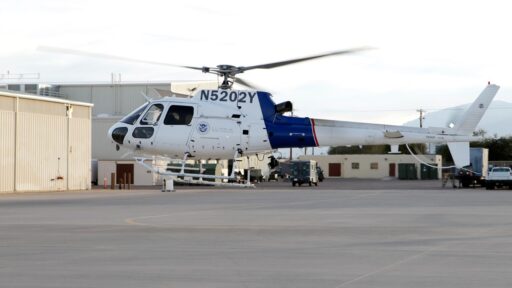

A deadly helicopter crash in Arizona has renewed scrutiny of NOTAM system failures, spotlighting vulnerabilities in aviation safety protocols that could have prevented the tragedy. The sightseeing helicopter tour ended in catastrophe when the aircraft struck a zip-line cable over the Horseshoe Bend area near Page, Arizona, killing all five people on board, including the pilot and four passengers from the United Kingdom. The loss of pilot Georgios “George” Hatzigeorgiou and British tourists Gemma Robinson-Payne, Christian Murray, Charlotte Hutchings, and Ruth Murray has become a stark reminder of how lapses in the Notice to Air Missions system can lead to catastrophic outcomes in controlled airspace.
The Crash Details
Investigators say the Papillon Grand Canyon Helicopters tour was flying a low-level scenic route over the Colorado River when the aircraft collided with a zip-line cable strung high across the canyon near Horseshoe Bend. The flight path took the helicopter through airspace that should have been flagged as hazardous because of the slackline installation, yet the pilot encountered the cable without any prior warning. According to early findings from the National Transportation Safety Board, the helicopter’s low-altitude profile in a narrow canyon left little margin for error once the obstacle came into view, turning a routine sightseeing trip into a fatal impact in seconds.
Rescue teams later recovered the wreckage from the Colorado River and confirmed that all five occupants had died, identifying the victims as pilot Georgios “George” Hatzigeorgiou and British passengers Gemma Robinson-Payne, Christian Murray, Charlotte Hutchings, and Ruth Murray. The NTSB’s initial review has highlighted the low-altitude flight as a key factor in the accident, since the helicopter had limited maneuvering room to avoid a cable stretched roughly 1,000 feet above the water. For families of the victims and for operators across Arizona’s canyon country, the sequence of events has intensified questions about why a prominent obstacle in heavily trafficked tourist airspace was not clearly flagged through the systems pilots rely on to plan safe routes.
NOTAM System Explained
The Notice to Air Missions system, commonly known as NOTAM, is the Federal Aviation Administration’s primary tool for alerting pilots to temporary hazards such as construction cranes, parachute jumps, drone activity, and adventure installations like the slackline that spanned the river canyon near Navajo Bridge. In the Arizona crash, investigators are examining why information about the slackline, which was rigged across the canyon as part of a high-altitude zip-line or slackline event, was not properly disseminated through a NOTAM that would have warned pilots of a cable stretched across an otherwise open flight corridor. Under normal procedures, any organizer who creates a temporary obstacle in navigable airspace is expected to coordinate with authorities so that a NOTAM can be issued and integrated into preflight planning tools.
NOTAMs are typically generated by air traffic facilities or aviation authorities and then distributed through digital databases that pilots check before departure, often via flight-planning platforms and electronic flight bags on tablets in the cockpit. The system has undergone upgrades after previous incidents, including efforts to streamline the format and improve how temporary hazards are tagged and displayed, yet it still depends heavily on timely human input and on pilots sifting through dense lists of notices. Common failure points include delays in updating NOTAMs for short-lived obstacles, incomplete descriptions of hazards in busy tourist areas, and gaps when non-aviation operators, such as adventure sports companies, do not fully understand or follow the process for requesting airspace notices. In scenic regions like northern Arizona, where helicopter tours, river rafters, and thrill-seeking slackliners share the same canyons, any breakdown in that chain can have fatal consequences.
Historical NOTAM Failures
Concerns about NOTAM reliability are not new. A Grand Canyon helicopter crash in 2018, which killed five people, was linked in part to inadequate communication about weather and terrain conditions that should have been highlighted more clearly to pilots through safety channels, including NOTAMs and related advisories. That accident prompted congressional hearings and a push for reforms aimed at making hazard information more accessible and less cluttered, especially for tour pilots who fly repetitive routes but face rapidly changing microclimates and terrain-induced wind shifts. The Grand Canyon case underscored how gaps in hazard notification can compound the inherent risks of low-level sightseeing flights in rugged landscapes.
Systemic vulnerabilities surfaced again when a major NOTAM outage in 2023 forced the FAA to ground all U.S. flights for hours, after a software failure corrupted the database that feeds notices to pilots nationwide. The disruption exposed how dependent modern aviation has become on a single, aging information backbone and led to a $1.8 billion modernization push aimed at hardening the system against future failures and improving redundancy. Linking those earlier crises to the current Arizona crash, safety advocates argue that the Horseshoe Bend collision represents a regression, since it appears to involve not a lack of technology but a breakdown in using existing tools to flag a known, fixed obstacle in a high-traffic tourist corridor.
Stakeholder Responses and Investigations
In the wake of the crash, the FAA has opened a review into whether the slackline operator, Slackline Arizona, properly requested a NOTAM for its 1,000-foot-high installation across the Navajo Bridge span. Regulators are examining what information, if any, was submitted about the event, how it was processed, and whether local air traffic facilities or regional offices missed opportunities to translate that data into a clear hazard notice for pilots. The outcome will shape not only potential enforcement actions against the organizers but also future guidance on how non-aviation groups must coordinate with airspace authorities before stringing cables or lines across canyons that are routinely overflown by tour aircraft, as described in reporting by AeroTime.
Papillon Grand Canyon Helicopters, which operated the ill-fated flight, has issued a statement expressing condolences to the families of Georgios “George” Hatzigeorgiou, Gemma Robinson-Payne, Christian Murray, Charlotte Hutchings, and Ruth Murray, and pledging full cooperation with the ongoing NTSB investigation. The company, a major player in the region’s sightseeing market, has emphasized its existing safety protocols while acknowledging that investigators will scrutinize its route planning, altitude choices, and preflight NOTAM checks. Aviation safety advocates, including former regulators and tour pilot associations, are using the moment to call for stricter enforcement of hazard reporting rules and for mandatory use of real-time NOTAM applications on all low-level tour flights, arguing that such steps could close the gap between static preflight briefings and fast-changing conditions in crowded scenic corridors.
Implications for Aviation Safety
The Arizona crash has intensified calls for integrating artificial intelligence into NOTAM verification, with proponents arguing that machine-learning tools could cross-check planned flight paths against known and newly reported obstacles in real time. In high-traffic scenic routes over Arizona’s canyons, an AI-assisted system could automatically flag conflicts between a helicopter’s intended altitude and temporary structures like slacklines, then push targeted alerts to pilots rather than burying critical information in long lists of notices. Advocates contend that such technology would not replace pilot judgment but would act as a backstop against human error, particularly when operators are flying multiple short tours each day and may be tempted to skim over repetitive briefings.
Economic stakes are also significant, since helicopter tourism in the American Southwest is estimated to be a $1.2 billion industry that supports operators, maintenance crews, hospitality workers, and local communities that depend on visitor spending. New restrictions on flights near adventure sites, tighter altitude rules in canyon corridors, or mandatory stand-off distances from bridges and slackline venues could reduce the number of viable routes and increase operating costs, potentially reshaping how companies like Papillon Grand Canyon Helicopters design their offerings. As the NTSB moves toward formal recommendations, observers expect a focus on enhanced training for pilots in interpreting NOTAMs, faster protocols for reporting and publishing temporary hazards, and clearer accountability for non-aviation actors whose activities intrude into navigable airspace, all aimed at preventing another tragedy that renews scrutiny of problems regulators have already pledged to fix.