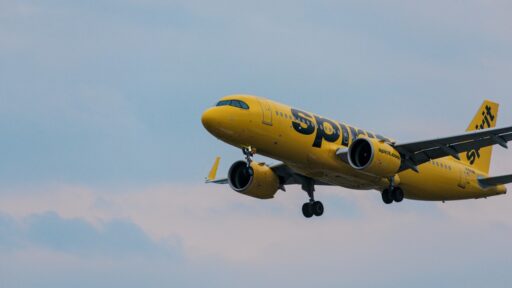
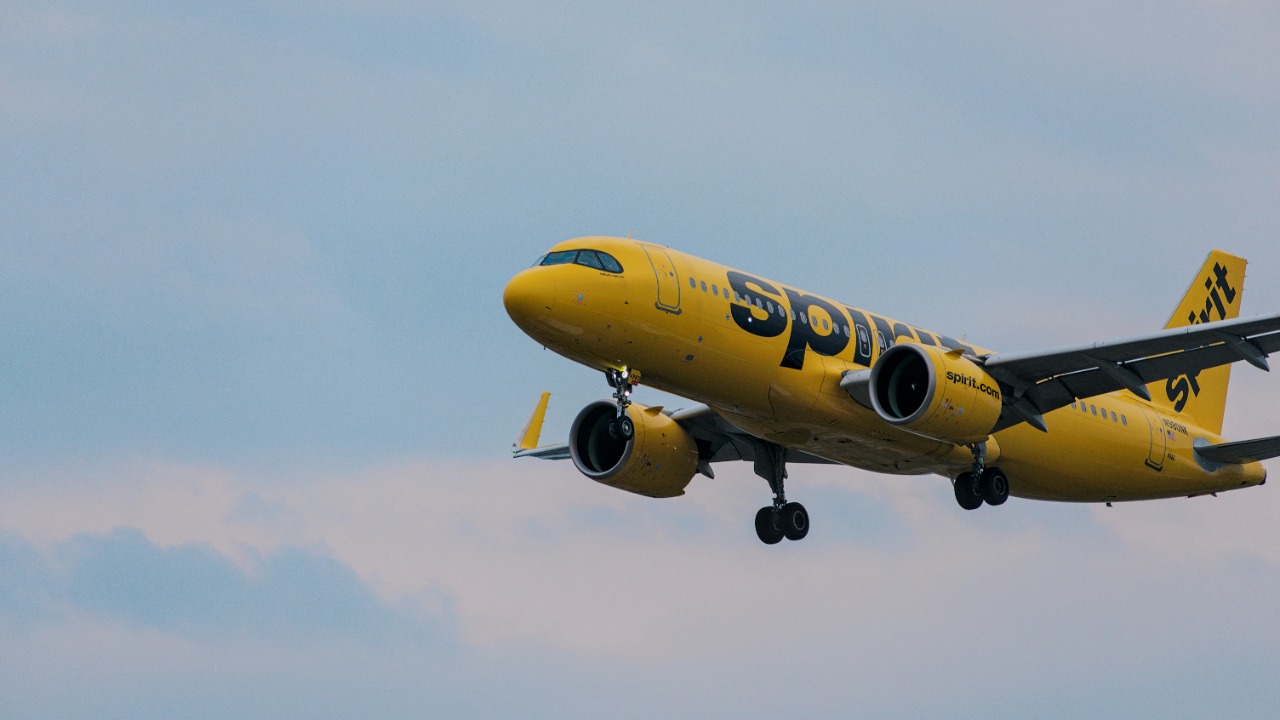

Spirit pilots have agreed to significant pay concessions, providing a crucial lifeline to the financially struggling carrier amid ongoing operational challenges. The move marks a pivotal shift for Spirit Airlines, which has been under mounting pressure from rising costs, intense fare competition, and a balance sheet weighed down by losses. The concessions, hammered out in recent negotiations between the company and pilot representatives, are designed to stabilize the airline’s position and avert deeper disruptions to jobs and service.
Spirit Airlines’ Financial Struggles
Spirit Airlines has been described as an embattled carrier, with its recent financial performance underscoring how precarious its position has become. According to reporting on the pilots’ agreement, the company has been contending with substantial debt obligations and persistent operational losses that left management searching for immediate cost relief to avoid more drastic restructuring. The concessions were negotiated in the context of a balance sheet that, as detailed in coverage of Spirit pilots’ pay concessions, reflected mounting liabilities and a cash burn that threatened the airline’s ability to maintain its current network and staffing levels. For investors, creditors, and employees, those figures signaled that without a meaningful reduction in labor and operating costs, Spirit risked breaching key financial thresholds that support ongoing operations.
Earlier cost-cutting efforts had already pushed the airline to trim capacity and adjust its route map, including reductions on underperforming leisure routes and a slower pace of aircraft deliveries, but those steps did not close the gap created by higher fuel prices, softer demand in some markets, and aggressive discounting by rivals. Management had experimented with schedule rationalization and fleet utilization changes, yet the savings from those measures were relatively modest compared with the structural relief that a pilot pay deal could unlock. Recent quarterly results, which showed continued net losses and pressure on unit revenue, heightened the urgency for a more comprehensive solution, and the concessions emerged as the clearest path to buying time while Spirit evaluates longer term strategic options. For stakeholders, the financial backdrop made clear that the pilots’ decision was not a marginal adjustment but a central component of the airline’s survival plan.
Details of the Pilots’ Pay Concessions
The agreement between Spirit and its pilots centers on explicit reductions and deferrals in compensation that are intended to deliver immediate cash savings while preserving the airline’s ability to ramp back up if conditions improve. Reporting on the deal describes a package in which pilots accept percentage cuts to their current pay scales, along with a freeze on scheduled wage increases that had been negotiated in earlier contracts. The concessions also include elements of pay deferral, with portions of compensation pushed into future periods, contingent on Spirit meeting specified financial triggers that would allow those amounts to be repaid. By structuring the deal around both cuts and deferrals, the parties sought to balance the airline’s near term liquidity needs with pilots’ expectations that they will eventually recover some of the income they are giving up.
The scope of the concessions covers pilots across seniority levels, from newer first officers to long serving captains, with the agreement applying to the broad pilot group rather than carving out narrow categories. That breadth distinguishes the deal from prior union proposals that focused more on temporary scheduling changes or voluntary leave programs, which did not deliver the same scale of savings. The ratification process, conducted under the framework of the pilots’ collective bargaining agreement, produced a vote in which a clear majority endorsed the concessions after union leaders outlined the risks of rejecting the package. Statements from Air Line Pilots Association representatives emphasized that the structure of the deal, including defined end dates and recovery provisions, was critical to winning support, since pilots wanted assurance that the cuts would not become permanent. For the workforce, the vote outcome signaled a reluctant but deliberate choice to trade near term pay for a better chance of preserving jobs and the airline itself.
Impact on Major Stakeholders
For Spirit’s management and shareholders, the concessions provide a measurable improvement in liquidity and a signal to the market that the airline is willing and able to secure labor support for its turnaround efforts. The reduction in pilot labor expense is expected to ease pressure on cash reserves and improve key ratios that lenders and lessors monitor, such as interest coverage and days of liquidity. While the precise impact on stock performance will depend on broader industry conditions and investor sentiment, the announcement of a ratified agreement offers a narrative of proactive cost management rather than passive deterioration. In practical terms, the deal gives executives more room to negotiate with creditors, pursue refinancing, or explore strategic partnerships from a position that is strained but not yet critical.
Pilots, in turn, gain non monetary protections that help offset the immediate financial sacrifice. The agreement includes job security assurances that limit involuntary furloughs tied to the current financial crisis, as well as clauses that outline how and when pay rates will be restored if Spirit meets defined performance benchmarks. Those recovery mechanisms, which may be tied to metrics such as operating margin or debt reduction, give pilots a stake in the airline’s eventual rebound and help align their interests with management’s restructuring goals. Passengers and communities served by Spirit also stand to benefit, since the financial relief reduces the likelihood of abrupt schedule cuts or operational disruptions that could have followed a more severe cash crunch. While fares will continue to reflect competitive dynamics in the ultra low cost segment, a more stable Spirit is better positioned to maintain its role as a price sensitive option on routes where alternatives are limited.
Union Negotiations and Broader Industry Context
The negotiations that produced the concessions were led on the pilot side by representatives of the Air Line Pilots Association, who framed the talks as a difficult but necessary response to Spirit’s deteriorating finances. ALPA leaders, speaking about the rationale for accepting cuts, stressed that the union’s priority was to protect as many pilot jobs as possible while preserving a viable carrier that could eventually return to growth. They highlighted that the alternative to a negotiated package might have been a more unilateral restructuring, potentially involving deeper layoffs or a court supervised process that would have given pilots less control over the outcome. By engaging directly with Spirit’s leadership and financial advisors, the union sought to shape a plan that, while painful, remained within the bounds of what pilots could accept.
In the broader industry, pilot concessions at low cost and ultra low cost carriers have historically surfaced during periods of acute stress, such as demand shocks or fuel price spikes, but the Spirit deal stands out for its timing and scale relative to peers that are currently on stronger footing. Other carriers have recently focused on securing pay increases to address pilot shortages and inflation, which makes Spirit’s reversal of that trend a stark illustration of its unique challenges. The agreement also underscores evolving labor dynamics, as unions weigh the benefits of hard line bargaining against the risk that a financially weak employer could fail outright. Unresolved issues, including longer term questions about fleet growth, base closures, and quality of life provisions, are expected to be addressed in subsequent contract amendments once the immediate crisis has passed. For the industry, the Spirit case may serve as a reference point in future talks when airlines argue that flexibility is essential to weathering downturns.
Path Forward for Spirit Airlines
The concessions give Spirit a clearer runway for short term operational planning, allowing the airline to stabilize its schedule and focus on reliability rather than constant retrenchment. With reduced pilot labor costs, management can prioritize maintaining core routes and optimizing aircraft utilization instead of pursuing deeper cuts that might have eroded the brand and alienated customers. The savings may also support targeted investments in on time performance and customer experience, areas where operational disruptions can quickly translate into reputational damage and additional costs. In some cases, the breathing room could enable Spirit to avoid deferring critical maintenance or training, choices that might have offered short term savings but carried long term safety and regulatory risks.
Looking further ahead, the airline’s recovery strategy is expected to involve a combination of financial restructuring and strategic repositioning, with the pilots’ support serving as a key asset in any discussions with potential partners or investors. The willingness of the pilot group to accept concessions can make Spirit a more attractive candidate for new financing, since it demonstrates internal alignment around a turnaround plan. At the same time, external factors such as regulatory scrutiny of airline consolidation, volatility in fuel costs, and shifts in leisure travel demand will heavily influence how effective this lifeline ultimately proves to be. If market conditions stabilize and Spirit can leverage its lower cost base to rebuild margins, the concessions may be remembered as a pivotal step that preserved an independent ultra low cost competitor. If headwinds persist, the deal could instead be seen as a bridge to a more comprehensive restructuring, including potential mergers or asset sales, in which the pilots’ early cooperation shapes the terms of whatever comes next.