
Security forces at a French nuclear submarine base in Brittany opened fire on unidentified drones spotted circling overhead, marking a rare direct military response to an aerial incursion at one of the country’s most sensitive defense sites. The French navy and soldiers escalated base defenses as the drones loitered above restricted infrastructure, treating the overflight as a potential threat to strategic nuclear assets. No group or state has claimed responsibility, underscoring how opaque and asymmetric drone activity has become around critical military facilities.
The Drone Incursion
According to reporting on the nuclear submarine base drone incursion that prompted a French military response, unidentified drones were detected circling over the nuclear submarine base in Brittany, triggering an immediate shift from routine surveillance to heightened alert. Personnel monitoring the perimeter and airspace identified multiple small aerial objects operating inside a restricted zone, close enough to be considered a direct aerial breach of the base’s security envelope. The aircraft did not respond to standard identification procedures, and their flight paths suggested deliberate interest in critical naval infrastructure rather than accidental overflight.
Reports describing how unidentified drones circled over a nuclear submarine base in France and drew military fire indicate that the devices maneuvered above or near facilities associated with the country’s nuclear-armed submarines, an area where unauthorized aerial activity is treated as a serious security incident. The incursion forced commanders to recalibrate daily security operations, moving from passive observation to active threat mitigation as the drones persisted. For France and its allies, the episode illustrates how relatively inexpensive unmanned systems can probe, map or potentially disrupt high-value nuclear infrastructure, raising the stakes for both deterrence and crisis management.
Military Response and Firing
Once the threat was classified as an active incursion, French soldiers and navy personnel opened fire on the drones in an effort to neutralize them before they could collect intelligence or interfere with base operations. Coverage detailing how French soldiers opened fire on drones over the nuclear submarine base describes a rapid escalation from visual tracking to the use of live ammunition, with ground units engaging the aerial targets directly above the facility. The decision to fire reflected standing rules that treat unidentified aircraft over nuclear sites as potential hostile platforms, even when their origin and payload remain unknown.
Accounts that the French side opened fire on drones over the nuclear submarine base emphasize that this was not a routine training event but an operational response to a perceived intrusion into protected airspace. Security teams reportedly moved through a sequence that began with monitoring and warning, then shifted to kinetic action once it became clear the drones were not leaving the area voluntarily. For military planners, the use of live munitions against small unmanned aircraft at such a sensitive location signals a policy shift toward more proactive defense against unauthorized overflights, a stance that could influence how other nuclear-armed states respond to similar incidents.
Role of French Navy and Marines
Naval forces stationed at the site played a central role in the engagement, with reports noting that the French navy opened fire on drones over the nuclear submarine base in Brittany as part of the coordinated response. Sailors responsible for base defense integrated their actions with army units on the ground, using established communication channels to track the drones’ movements and authorize fire. The involvement of naval personnel underscores that the incident was treated not only as a local security breach but as a direct challenge to the integrity of France’s sea-based nuclear deterrent.
Specialized ground forces also took part, with French Marines reported to have fired on drones over the nuclear submarine base, marking the first known use of live munitions against drones at this particular location. Their participation highlights how anti-drone responsibilities are now shared across different branches, from marines guarding the perimeter to sailors overseeing harbor approaches. For defense officials, the joint response provides a real-world test of integrated counter-drone tactics, techniques and procedures, and it will likely inform future training and equipment decisions as unmanned threats proliferate.
Site Significance and Security Measures
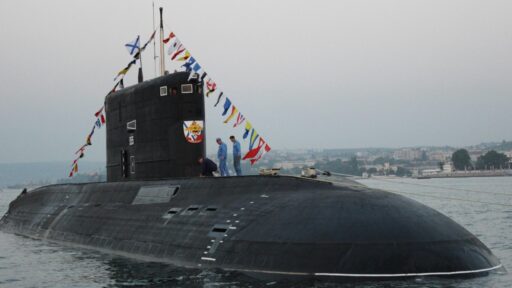
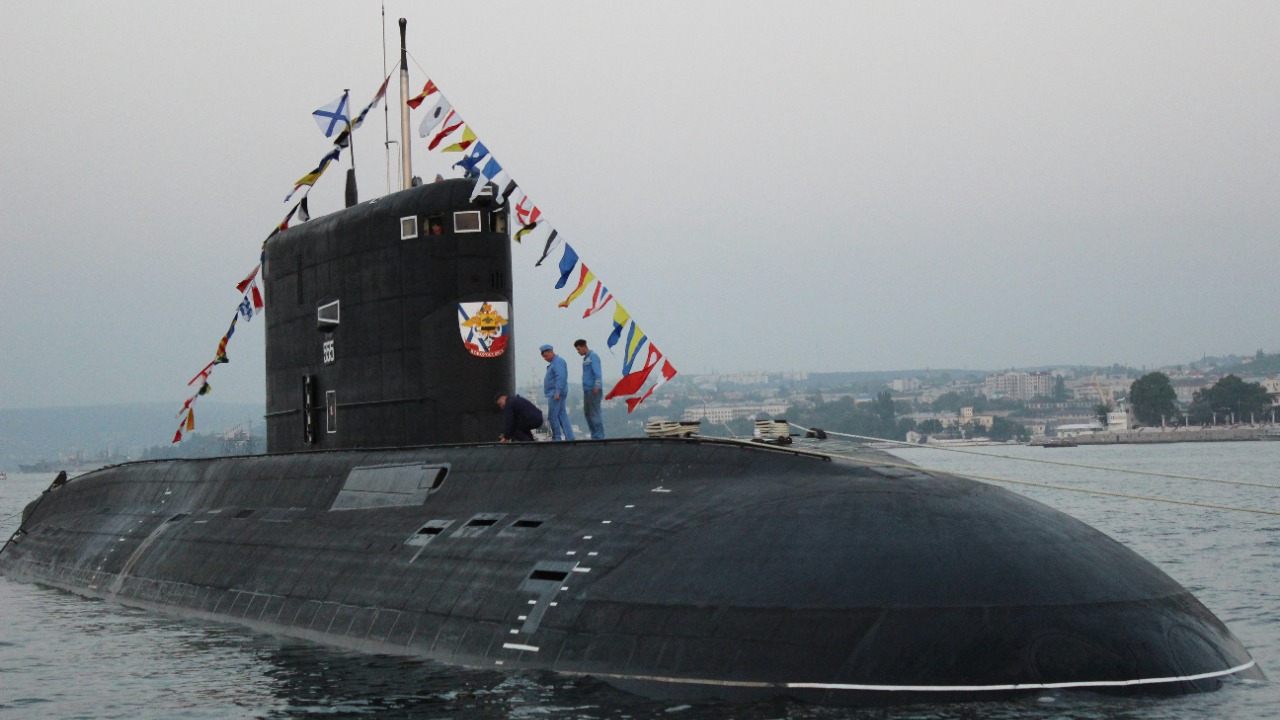
The nuclear submarine base in Brittany, identified in detailed coverage of how security at a French nuclear submarine base fired at unidentified drones, is a cornerstone of France’s strategic nuclear deterrent, hosting submarines that carry ballistic missiles central to national defense planning. These vessels provide a continuous at-sea deterrent, designed to remain survivable even in the event of a large-scale attack on the country. Any intrusion into the airspace above such a facility is therefore treated as a potential attempt to gather targeting data, test defenses or disrupt operations, all of which could undermine the credibility of the deterrent posture.
Prior to the incident, the base relied on layered security that included physical barriers, maritime patrols and aerial monitoring, but the drone overflight exposed potential gaps in detecting and classifying small unmanned systems in real time. Reports on how the unidentified drones circled over the nuclear submarine base and prompted the military to open fire note that the aircraft were able to operate long enough to trigger a full defensive response, suggesting that existing sensors and procedures were not sufficient to deter or immediately disable them. For NATO-aligned security planners, the episode reinforces the need to adapt base protection concepts to a world in which commercial-style drones can be modified for surveillance or attack, potentially giving state and non-state actors new ways to pressure nuclear infrastructure without crossing traditional red lines.
Immediate Aftermath and Investigation
Despite the use of live fire, early accounts indicate that no drones were confirmed as downed in the initial exchange, leaving French forces to continue tracking and analyzing the incursion. Reporting on the French military response to the nuclear submarine base drone incursion describes an ongoing effort to reconstruct the drones’ flight paths, capabilities and possible control links using radar data, visual observations and any available electronic signatures. The absence of wreckage complicates the investigation, since it deprives analysts of physical evidence that could reveal the platforms’ origin, payload or manufacturer.
Authorities have launched a formal probe into where the drones came from and who directed them, but media accounts stress that there has been no immediate attribution to foreign governments, domestic groups or criminal networks. Coverage that France opened fire on drones over the nuclear submarine base notes that airspace around the facility was temporarily restricted following the incident, a move intended both to prevent further incursions and to give investigators a clearer operating environment. For local communities and maritime operators, the tightened access rules and temporary closures around the base are a reminder that even small, unidentified drones can trigger large-scale security measures, with implications for civil aviation, shipping routes and public confidence in the safety of nuclear-related sites.