
The United Kingdom is sending a Carrier Strike Group to the North Atlantic and High North as a clear signal that it is prepared to deter Russian aggression at sea and in the air. Led by HMS Prince of Wales and equipped with F-35 jets and helicopters, the deployment is designed to protect vital transatlantic routes and undersea infrastructure while reinforcing NATO’s northern flank. The move brings together domestic security priorities, alliance politics and a sharpening contest for influence in the Arctic and surrounding waters.
By concentrating a Carrier Strike Group, F-35 aircraft and Royal Navy warships in the North Atlantic and Arctic approaches, Britain is betting that visible combat power is the best way to discourage Moscow from testing NATO’s resolve. The deployment also serves as a statement of intent about Britain’s role in European security under current political leadership, as London works with allies to manage a more contested maritime environment from Greenland to the Norwegian Sea.
Why Britain is sending a Carrier Strike Group north
The UK Government has framed the deployment of its Carrier Strike Group to the North Atlantic and High North as a direct response to growing risks in the region. Officials describe a need to bolster regional security as activity in the North Atlantic continues to increase, with particular concern about the Greenland-Iceland-UK gap and the vulnerability of undersea cables and pipelines that carry data and energy between North America and Europe. The Ministry of Defe has set out that the Carrier Strike Group will operate in the North Atlantic and High North to keep the UK safe, with HMS Prince of Wales at the core of the task group and Royal Navy escorts screening the carrier as it moves through these strategic chokepoints, according to the official government announcement.
British planners link the mission explicitly to Russian behavior in northern waters, arguing that deterrence at distance is preferable to crisis management close to home. Reporting on the Carrier Strike Group deployment highlights growing concern over Russian operations in the Greenland and Iceland approaches, with the CSG expected to monitor submarine activity and demonstrate that NATO can still control the sea lines that connect North America and Europe. The United Kingdom is set to deploy the Carrier Strike Group, or CSG, to the North Atlantic and High North with the stated aim of enhancing security and protecting vital undersea cables and pipelines, according to detailed defence analysis that tracks the mission profile.
Operation Firecrest and the Arctic focus
The deployment has been given a distinct identity as Operation Firecrest, underlining that it is more than a routine training cruise. The UK will deploy its Carrier Strike Group, led by HMS Prince of Wales, to the North Atlantic and High North on Operation FIRECREST, with The UK emphasising that this is about credible warfighting capability rather than symbolic presence. The group will include warships, F-35 jets and helicopters under the Operation Firecrest banner, with the Ministry of Defe stressing that forces must be ready to fight, according to reporting on Operation Firecrest that sets out the composition and intent of the mission.
Britain is also aligning this deployment with a broader Arctic strategy that recognises the region as a growing theatre of competition. Britain will deploy its aircraft carrier group to the North Atlan and Arctic this year, reflecting a judgment that climate change, new sea routes and Russian activity are turning the Arctic into a frontline for NATO. Coverage of the decision notes that the aircraft carrier group will operate in the Arctic as well as the North Atlan, giving Britain a platform to work with Nordic partners and to show that its navy can function in extreme cold-weather conditions, according to reports that describe how Britain will deploy its carrier group to the Arctic this year.
What the Carrier Strike Group brings to the fight
The Carrier Strike Group is built around HMS Prince of Wales, described as the Royal Navy’s largest warship and configured to operate advanced jets and helicopters. UK Government announcements highlight that the Carrier Strike Group will be led by HMS Prince of Wales Royal Navy, with the carrier acting as the command ship for 2026 as it sails into the North At and surrounding waters. British ships are expected to carry F-35 jets and helicopters, with the Carrier Strike Group designed to project air power across the Atlantic and Arctic theatres, according to a Government-linked announcement of the led by HMS Prince of Wales Royal Navy.
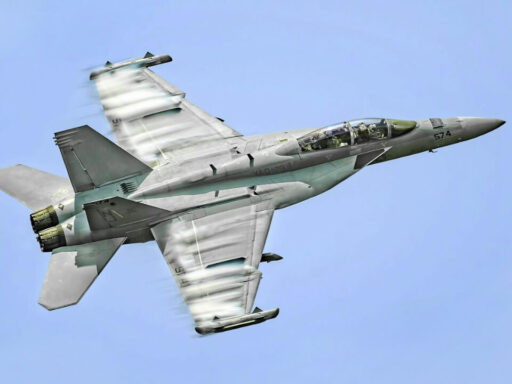
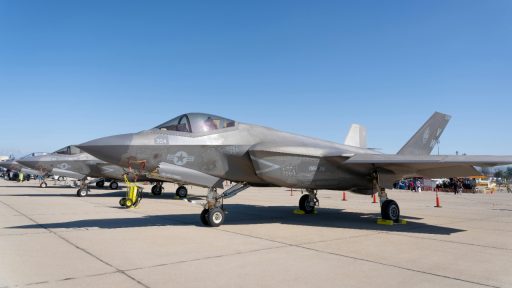
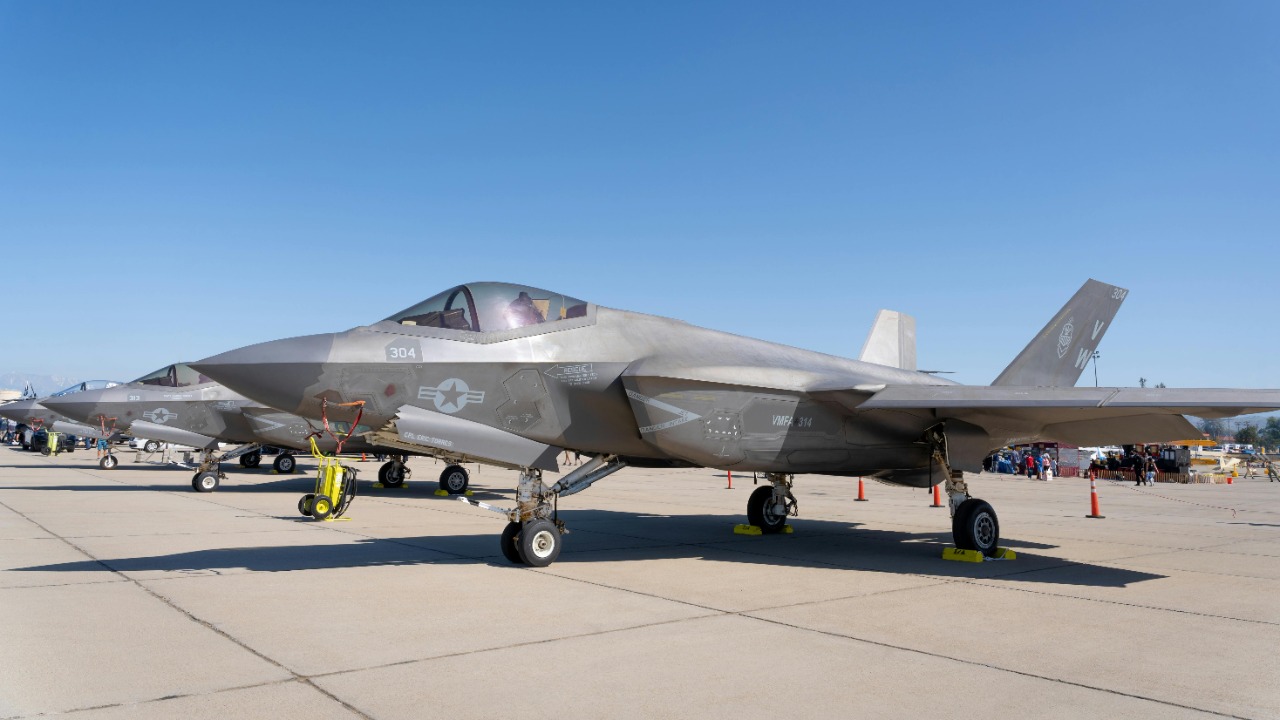
The air wing is central to the deterrent message. Britain will deploy a carrier strike group with Royal Navy warships, Royal Air Force F‑35 fighter jets and helicopters, creating a mix of capabilities that can track submarines, defend against aircraft and strike targets ashore if required. Coverage that sets out What To Know about the mission stresses that Britain is sending Royal Navy escorts and Royal Air Force F‑35 fighter jets to the Arctic as allies expand their Arctic focus, according to reporting on What about Britain’s deployment of warships and F‑35s to the Arctic.
Deterring Russia and reinforcing NATO
British leaders have made clear that the deployment is aimed at Russia, even as they avoid language that suggests inevitability of conflict. Defence Secretary John Healey has said the deployment would reinforce British leadership in the region and has framed sending the carrier north as a show of force against Russia, making the link between visible power and deterrence in the Arctic and North Atlantic. Reporting on his comments notes that Defence Secretary John Healey argued that he is proud that British forces are stepping up to confront the Russia threat in northern waters, according to coverage that details how the UK will send in a show of force against Russia.
The political framing around the deployment also connects it to wider NATO strategy. The move signals a renewed focus on NATO deterrence amid rising Russian naval activity and concern over vulnerable undersea infrastructure, with the Carrier Strike Group to the High North described as part of a coordinated alliance response. Analysts describe how the deployment to the High North is intended to deter Russian maritime activity and to show that NATO can still control key sea lanes, according to assessments that explain why the Carrier Strike Group is being used to deter Russian maritime activity.
Domestic politics, allies and the road ahead
At home, the deployment has become part of a wider debate about Britain’s role in European security and its relationship with the United States. Coverage notes that Starmer sends the UK strike group to the Arctic and cites a rising Russia threat at the same time that Trump pushes a Greenland deal, linking the mission to questions about how Britain balances European defence and diplomatic ties with shifting US priorities. Reports on the political context explain that Starmer is using the Arctic deployment and the Russia threat to frame Britain as a reliable European security actor even as Trump talks about Greenland, according to analysis of how Starmer sends the to the Arctic while Trump pushes a Greenland deal.
For frontline units, the mission is also about practical cooperation with allies and readiness for high-end conflict. The strike group will include Royal Navy warships, RAF F-35 fighter jets and helicopters, and will take part in joint exercises with NATO partners in the North Atlantic to deter Russia’s increasing military activity in the region. Coverage of the deployment from Hampshire highlights that the command ship for 2026 will be HMS Prince of Wales and that Royal Navy and RAF units will train alongside allied forces to refine tactics against Russian submarines and aircraft, according to local reporting on how Hampshire-based warships are being deployed north to deter Russia’s increasing military activity.