
In the United Arab Emirates, paying for groceries or a metro ride is starting to look less like tapping a card and more like waving a hand. The country is piloting a biometric system that lets people authenticate purchases with a scan of their palm or face, positioning the UAE as an early test bed for a future where wallets and phones are optional. Officials frame the move as a way to make payments both more secure and more seamless, while quietly reshaping how identity is verified in everyday life.
The trials build on several years of investment in digital identity and advanced biometrics, from national ID systems to smart border controls. Now that infrastructure is being pulled directly into the checkout line, with the Central Bank of the UAE working alongside technology partners to turn unique vein patterns and facial features into a new kind of payment credential.
How the UAE’s palm and face payments work
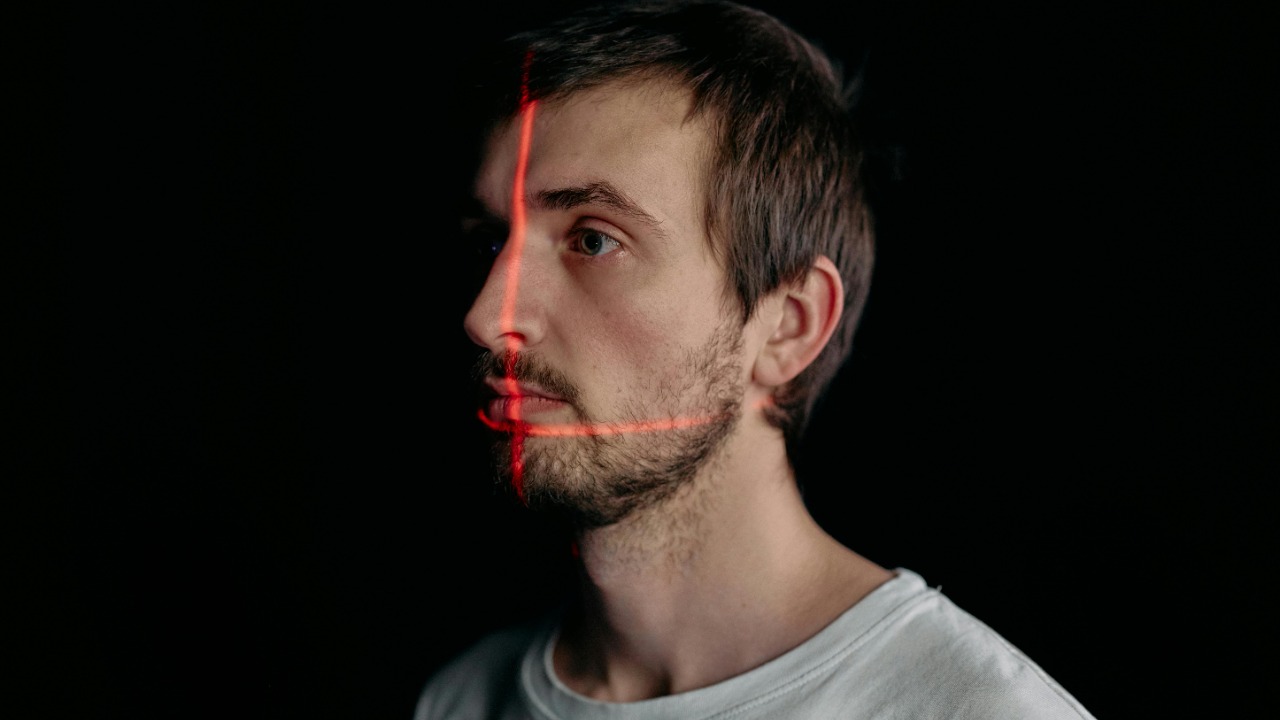
The Central Bank of the UAE has launched a proof of concept that lets customers pay in shops by presenting their face or palm to a scanner linked to their bank account. According to the bank, the biometric solution is the first of its kind in the Middle East and is being rolled out in partnership with Network International at selected merchants in DUBAI. Instead of entering a PIN or tapping a phone, the customer’s biometric template is matched in real time, and the payment is authorised if the identity check succeeds.
Officials describe the project as part of a broader push to build an innovation driven digital economy, with the Central Bank of the UAE positioning biometric payments as a natural extension of existing digital ID infrastructure. Assistant governor Saif Al Dhaheri has linked the initiative to the goal of more secure and seamless transactions, arguing that tying payments directly to a person’s physical traits reduces fraud risks associated with lost cards or compromised passwords. The system is being tested alongside traditional methods rather than replacing them outright, but the direction of travel is clear.
Palm ID and the rise of vein based biometrics
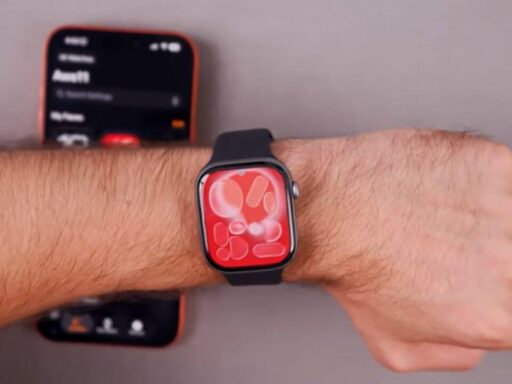
The palm payments trial did not appear out of nowhere, it sits on top of a dedicated biometric platform known as Palm ID that the UAE unveiled earlier. Palm ID uses the unique pattern of veins inside a person’s hand as a biometric identifier, captured by a near infrared scanner that reads subcutaneous blood vessels rather than surface fingerprints. Officials have highlighted that these vein patterns are extremely difficult to forge and remain stable over time, which makes them attractive for high security applications such as payments, border control and access to government services, as described in technical overviews of Palm ID.
Earlier work on this platform was led by the Federal Authority for Identity, Citizenship, Customs, Port Security, often referred to as ICP, in collaboration with the Central Bank of the UAE. The technology was Developed to use unique palm vein patterns as a secure identifier that could be linked to bank accounts and digital wallets, with a particular focus on improving convenience in crowded environments such as transport hubs and shopping centres. Commentators have also tied Palm ID to long term national strategies like UAE Vision 2031, which emphasise frictionless digital services as a pillar of economic growth.
From metro gates to ATMs, where you might use your hand
Authorities are already sketching out where this technology could show up in daily routines, and public transport is high on the list. Local reporting has detailed plans for commuters in the UAE to pay for metro rides simply by placing their hand over a reader at station gates, with the fare deducted from a linked account. The same palm vein technology is expected to be integrated into ATMs, allowing people to withdraw cash without a card by authenticating with their hand instead.
Retail and hospitality are also early targets for deployment, with the Central Bank of the UAE’s proof of concept focusing on in store payments at participating merchants. A banking official quoted in coverage of Shopping and dining in the United Arab Emirates described a future in which customers can settle bills with a quick face or palm scan, without needing to carry cards or even a smartphone. The same reports note that biometric payments are being positioned as an option across a wide range of services, from supermarkets to entertainment venues, as part of a broader upgrade of how people pay in the United Arab Emirates.
Security promises and privacy questions
Supporters of the initiative argue that biometrics can significantly reduce fraud by tying payments to traits that are hard to steal or replicate. The Central Bank of the UAE has repeatedly framed the palm and face system as a way to advance secure and seamless payments, with Saif Al Dhaheri emphasising that the project aligns with the UAE’s innovation driven agenda at the Central Bank. Because palm vein patterns are internal to the body and require specialised sensors to read, they are considered less vulnerable to casual copying than fingerprints or facial images, a point that technical explainers on unique vein patterns have stressed.
At the same time, turning the human body into a payment token raises familiar questions about data protection and consent. Biometric identifiers cannot be changed if compromised, which makes the governance of systems like Palm ID particularly sensitive. While official communications focus on convenience and security, privacy advocates will want to see clear rules on how long biometric templates are stored, how they are encrypted, and whether they can be used for purposes beyond payments, such as law enforcement. The involvement of the Federal Authority for Identity, Citizenship, Customs, Port Security, or ICP, underscores how closely payments are now intertwined with national identity infrastructure.
A regional first, and a global experiment
Officials are keen to stress that the UAE’s system is the first biometric payment solution of its kind in the Middle East, combining both facial and palm recognition in a single framework. Coverage of the launch notes that the Central Bank of the UAE and Network International unveiled the project in UAE as a regional milestone, with the proof of concept status signalling that the technology is still being evaluated before any nationwide rollout. Separate reporting on the broader initiative describes how the UAE aims to redefine how people pay for goods and services in the region by normalising biometric authentication at the point of sale.
The project also sits within a longer timeline of biometric innovation in the country. Earlier announcements around Introduces Palm ID highlighted how palm vein payments were intended to pave the way for cardless and app free transactions, with officials saying that soon residents would be able to pay using only their hand. Technical write ups on New Payment Tech have framed this as part of a broader shift toward embedded identity, where the body itself becomes the key to a range of digital services, not just payments.