
SpaceX has moved to cut off what it describes as Russia’s unauthorized use of Starlink terminals to guide attack drones against Ukraine, turning a commercial internet constellation into a frontline tool of digital denial. The company, led by Elon Musk, says it has now severed Russian military access and is racing to harden the network so that only approved Ukrainian users can connect near the battlefield. The shift has drawn rare public praise from Kyiv, which credits the new restrictions with delivering “real results” against Russian Starlink use.
The discovery of Russian Starlink on the battlefield
The latest clampdown began with a stark realization in Kyiv that Russian forces were flying attack drones equipped with Starlink terminals, effectively hijacking the same low orbit network that has kept Ukraine online since the first months of the full scale invasion. Ukrainian officials and frontline units reported that Russian drones were using the satellite links to maintain stable connections over contested areas, allowing operators to steer munitions with precision even when traditional communications were jammed. That battlefield picture, in which Russian units exploited Starlink hardware that had never been licensed to them, set off urgent appeals from Ukraine’s leadership to SpaceX and to Elon Musk personally to shut the connection down, appeals that were echoed in detailed accounts of Russian drones using the network against Ukrainian targets.
As those reports mounted, Ukraine’s government framed the issue not as a technical glitch but as a strategic vulnerability that risked turning a lifeline into a weapon. Officials in Kyiv argued that allowing Russian Starlink connectivity would effectively neutralize some of Ukraine’s own electronic warfare advantages, since the same resilient satellite links that protect Ukrainian communications would now shield Russian attack platforms from disruption. The alarm over Russian access to Starlink Internet pushed the issue to the top of Kyiv’s wartime technology agenda and forced SpaceX to confront how its civilian network had been pulled into a conflict it never formally entered.
SpaceX’s emergency fix and Musk’s public pledge
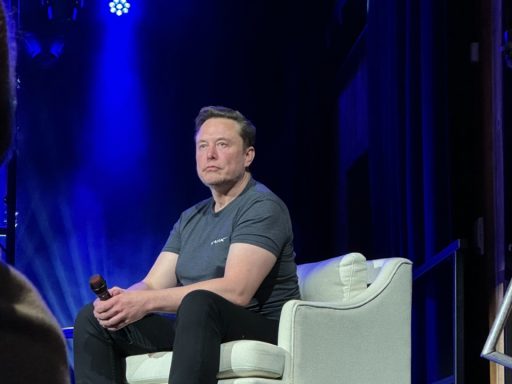
Elon Musk responded by publicly acknowledging that Russian use of Starlink was not authorized and by insisting that SpaceX had now cut the connection that Russian forces had been exploiting. In his account, the company moved quickly once it verified that Russian units were routing drone control links through Starlink, deploying what he described as an emergency technical fix to sever those paths. That intervention, which Musk said had already produced “real results” on the battlefield, was presented as a direct answer to Kyiv’s calls and as proof that SpaceX could still control who used its constellation, a claim echoed in reports that Russian military links had been severed.
Ukraine’s leadership, which had previously clashed with Musk over the scope of Starlink support, responded very differently this time. Officials in Kyiv publicly thanked him for the intervention and highlighted that the new restrictions on Russian Starlink use were already disrupting attacks, with Ukraine hailing “real results” after Musk restricted Russian Starlink access. Musk, for his part, used his own social media posts to stress that Russian forces had never been customers and that any connection they had achieved was a form of illicit piggybacking, a message reinforced when he wrote on X about blocking unauthorized use of the network.
From quick patch to whitelist: how SpaceX plans to lock down access
The emergency fix that cut off Russian drones was only the first step in a broader technical pivot inside SpaceX. Engineers rolled out what the company described as a rapid configuration change that blocked Starlink terminals suspected of being used by Russian units, effectively grounding some of the drones that had been bombing Ukraine. That stopgap solution, however, was never meant to be permanent, and SpaceX has acknowledged that it is now searching for more durable ways to prevent any future misuse, including more granular geofencing and device level controls that can distinguish between Ukrainian and Russian drones within the same theater.
The centerpiece of that longer term plan is a new whitelist system for Starlink access in Ukraine, developed in coordination with the country’s defense establishment. Under the approach described by Ukrainian officials, only “verified and registered” Starlink dishes will be allowed to operate in Ukrainian airspace and on Ukrainian territory, with all other terminals blocked from connecting to the constellation in that zone. The goal is to ensure that Russian forces cannot simply acquire additional hardware and plug back into the network, a risk that had become clear as Russian units outfitted drones with Starlink dishes purchased outside the country.
Kyiv’s partnership with SpaceX and the political stakes
For Ukraine, the new restrictions are as much about politics and sovereignty as they are about signal routing. Kyiv has long depended on Starlink to keep its military and civilian infrastructure connected, and the revelation that Russian forces were also tapping the network threatened to undercut public support for that reliance. By pushing SpaceX to act and then publicly praising the outcome, Ukraine’s leaders are signaling to their own citizens and to allies that they can still shape how foreign technology is used in their war, a message underscored when officials in Kyiv described Musk’s response as prompt and coordinated.
The episode also marks a notable turn in Musk’s own relationship with Ukraine’s government. Earlier disputes over coverage limits and battlefield uses of Starlink had fueled criticism in Kyiv, but the decision to clamp down on Russian access has drawn open gratitude from senior officials, who say the changes are already helping to counter Russian drones in the sky. That shift is visible in public statements that hail Musk for restricting Russian connectivity and in the way Ukraine’s new defense minister has credited the updated Starlink rules with stripping Russia of one of its tools for long range strikes.
A new precedent for private power in modern war
What is unfolding over Ukraine is more than a narrow dispute over satellite bandwidth, it is a test case for how much influence a single private company can wield over the conduct of a major war. By deciding which terminals can connect and where, SpaceX is effectively shaping the communications landscape of the conflict, choosing to empower Ukrainian units while denying the same infrastructure to Russian forces. That power has immediate tactical consequences, as seen when new limits on Starlink internet were credited with helping to ground killer drones and deprive Russia of a key targeting tool, but it also raises longer term questions about accountability and control when commercial networks become instruments of statecraft.
For now, Ukraine appears determined to deepen its cooperation with SpaceX, working through its defense ministry to refine the whitelist and to monitor any fresh attempts by Russian units to regain access. SpaceX, in turn, is signaling that it will keep tightening its systems to prevent any future Russian use of Starlink, even as it continues to serve as a critical communications backbone for Ukraine’s war effort. How that balance is managed in the months ahead will help define not only the trajectory of the conflict, but also the emerging norms for how private space infrastructure is governed when it becomes entangled in high intensity state on state warfare.