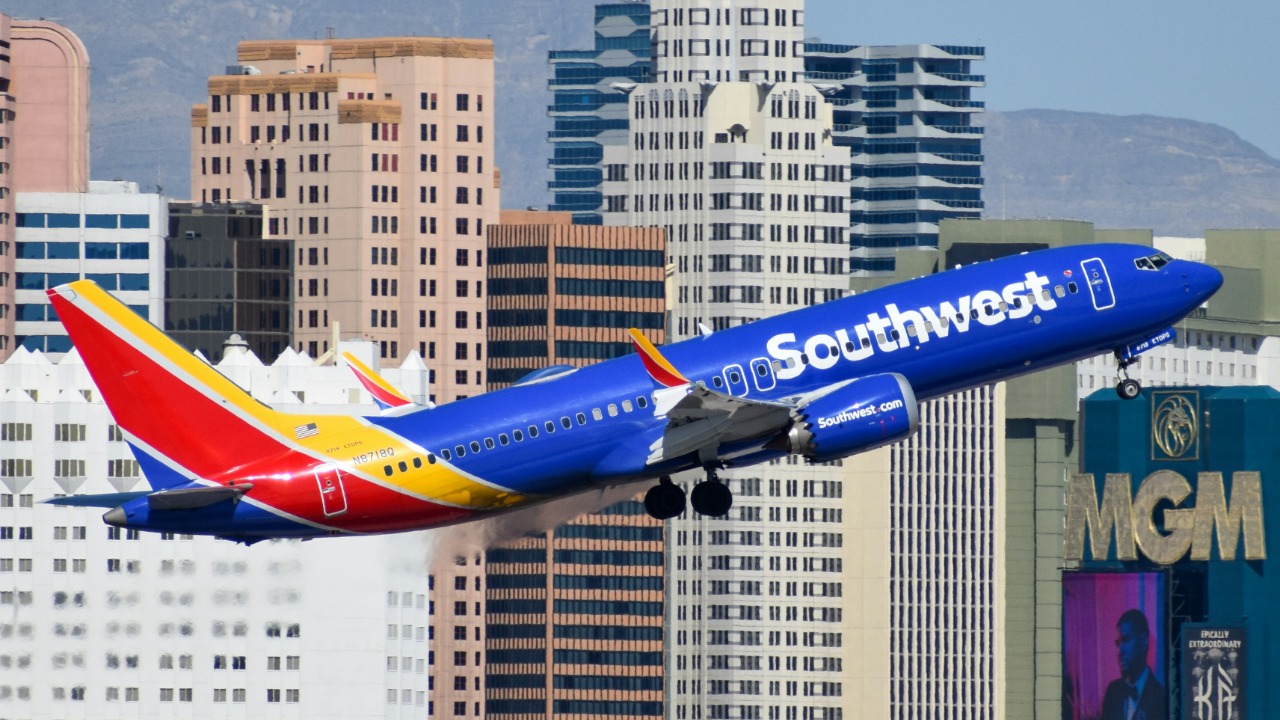

Southwest Airlines has completed payment of a record-breaking fine imposed for its spectacular 2022 Christmas holiday collapse, marking the end of financial repercussions from the operational meltdown that stranded thousands of passengers. The carrier was spared from part of the 2022 Christmas travel chaos penalty, providing partial relief amid ongoing scrutiny of its scheduling failures and the broader resilience of the U.S. airline system.
The 2022 Christmas Meltdown
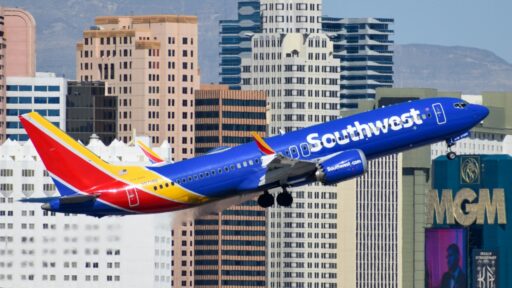
The 2022 Christmas holiday period exposed deep vulnerabilities in Southwest Airlines’ operation, as a winter storm and cascading internal failures triggered a spectacular collapse of its nationwide schedule. While other carriers recovered after the initial weather disruption, Southwest’s point-to-point network and outdated crew-scheduling technology left aircraft and flight crews scattered across the country, leading to a wave of cancellations that far exceeded typical storm-related disruptions. Airports that usually hum with holiday traffic, including major hubs and focus cities, instead saw rows of grounded Boeing 737s and departure boards dominated by “canceled” notices tied to the airline’s code.
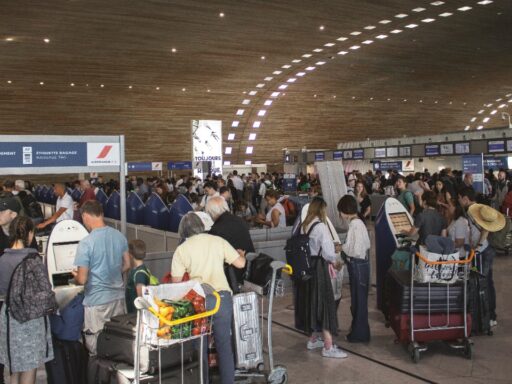
For passengers, the breakdown translated into thousands of stranded travelers during the peak of the Christmas travel rush, with family reunions, long-planned vacations, and business-critical trips abruptly derailed. Many customers were forced to sleep in terminals or scramble for last-minute rental cars and hotel rooms as Southwest struggled to reassemble its network and locate available crews. The scale of the disruption turned a seasonal surge into a national transportation crisis, raising questions about whether the airline’s operational model and technology investments had kept pace with its growth and with the expectations of regulators and the traveling public.
Imposition of the Record-Breaking Fine
Regulators responded to the 2022 Christmas travel chaos by launching enforcement actions that focused on systemic scheduling and technology failures inside Southwest’s operation. Investigators concluded that the airline’s inability to track and reposition crews, along with its reliance on legacy systems, had transformed a severe weather event into a prolonged network shutdown that disproportionately harmed its own customers. The result was a record-breaking fine, described in reporting as the largest penalty of its kind, aimed at holding the carrier accountable for the operational meltdown and signaling that large-scale breakdowns would carry significant financial consequences.
The initial penalty structure combined monetary assessments with compliance mandates that required Southwest to address the root causes of the collapse. According to coverage of the enforcement outcome, the fine was tied directly to the airline’s systemic scheduling and technology failures, and regulators paired the financial hit with expectations for more robust contingency planning and improved customer protections. By framing the penalty around both cash payments and operational reforms, officials sought to deter similar breakdowns while pushing the airline to invest in systems that could better withstand future holiday surges and severe weather events.
Recent Completion of Penalty Payments
Three years after the 2022 Christmas holiday collapse, Southwest Airlines is finally done paying the record-breaking fine that followed the travel chaos. Reporting on the enforcement outcome notes that the carrier has now completed all required payments tied to the penalty, closing out a major financial obligation that had lingered on its books since regulators first responded to the meltdown. The conclusion of these payments, described in detail in coverage of how Southwest Airlines is finally done paying a record-breaking fine for its spectacular 2022 Christmas holiday collapse, marks a turning point in the airline’s efforts to move past the crisis.
With the fine fully paid, Southwest’s balance sheet no longer reflects the ongoing outflows associated with the penalty, which had previously weighed on quarterly results and investor sentiment. The end of the payment schedule frees up cash that can be redirected toward technology upgrades, operational resilience projects, or customer-focused initiatives that executives have cited as priorities in the wake of the collapse. For shareholders and analysts, the completion of the fine provides clearer visibility into the airline’s forward-looking cost structure, while for passengers it raises the question of how effectively those freed resources will be used to prevent a repeat of the 2022 debacle.
Partial Relief and Sparing from Penalty Elements
Even as Southwest finished paying the record-breaking fine, the airline received partial relief when it was spared from part of the 2022 Christmas travel chaos penalty. Reporting on the enforcement outcome explains that regulators ultimately scaled back certain elements of the original package, reducing the scope of non-monetary requirements that had been contemplated in the immediate aftermath of the meltdown. Coverage of how Southwest Airlines was spared from part of the 2022 Christmas travel chaos penalty indicates that the final arrangement eased some of the burdens associated with enhanced oversight, even as the core financial sanction remained in place.
The sparing of some penalty components has important implications for stakeholders who are watching how the airline balances accountability with long-term competitiveness. For Southwest, reduced non-monetary requirements, such as scaled-back reporting obligations or fewer mandated audits, lower the administrative costs of compliance and give management more flexibility in how it designs and implements operational safeguards. Passengers and consumer advocates, however, will be focused on whether the airline voluntarily maintains high standards of transparency and resilience, since the partial relief means that some oversight mechanisms originally envisioned by regulators will not be as extensive as first proposed.
What the Resolution Means for Passengers and the Industry
The completion of the fine and the partial sparing from certain penalty elements together define the regulatory legacy of the 2022 Christmas collapse for Southwest Airlines. On one hand, the record-breaking financial sanction underscores that large-scale operational failures can carry unprecedented costs, reinforcing a message to the broader industry that technology and scheduling systems must be robust enough to handle peak holiday demand and severe weather. On the other hand, the easing of some non-monetary requirements shows that regulators are willing to calibrate penalties as airlines demonstrate progress on remediation, creating a framework in which corrective investments and cooperation can influence the final shape of enforcement.
For passengers, the stakes revolve around whether the lessons of the 2022 meltdown translate into tangible improvements in reliability, communication, and customer care during future disruptions. The end of the payment schedule and the partial relief from certain penalty provisions give Southwest more room to invest in modernization and contingency planning, but they also reduce the external pressure that comes with intensive oversight. I see the resolution as a test of whether financial penalties and targeted regulatory requirements are enough to drive lasting change in airline operations, or whether the industry will need additional structural reforms to prevent another holiday season from being defined by stranded travelers and systemic breakdowns.