
Scandinavian flag carrier SAS is preparing a pivotal long-haul fleet decision as it holds parallel talks with Boeing and Airbus over a large widebody jet order. The prospective deal would reshape the airline’s intercontinental network out of Copenhagen and mark a fresh bet on long-haul demand just as SAS works through a complex restructuring.
The negotiations come at a moment when SAS is rebuilding its strategy for connecting Europe and Asia and looking to capture renewed transatlantic appetite, while still operating under Chapter 11 protection in the United States. How it balances aircraft economics, delivery slots and alliance politics in this campaign will help determine whether the carrier can turn a fragile recovery into durable growth.
SAS puts widebodies at the center of its recovery plan
The core of the move is straightforward: SAS AB is in active discussions with both Boeing and Airbus about a sizable purchase of new widebody aircraft, a step that would lock in the backbone of its long-haul fleet for the next decade. The airline, listed under tickers SASDQ and SASBQ, is seeking aircraft that can both cut fuel burn and add seats on key routes where demand has snapped back faster than capacity. Management has framed the talks as part of a broader push to improve financial performance and operational efficiency on long-haul flying, a segment that remains central to the brand and to Scandinavia’s connectivity.
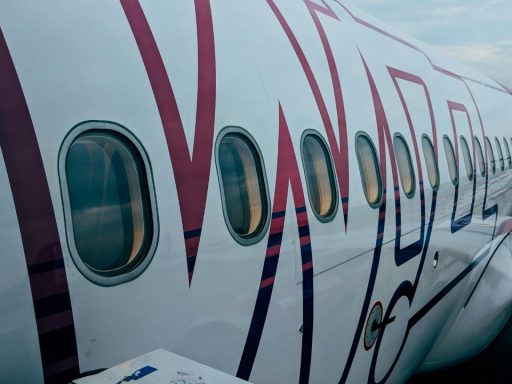
Behind the boardroom negotiations is a very physical reality on the ramp. Passenger aircraft operated by SAS are a familiar sight at Copenhagen Airport in Copenhagen, where the carrier concentrates much of its intercontinental traffic. Images of SAS widebodies on the ground, captured by Photographer Carsten Snejbjerg, underline how dependent the airline is on a relatively small number of long-haul jets that must now be renewed to stay competitive on fuel costs and passenger comfort.
From Asia pivot to transatlantic growth
For years, SAS built its network around shuttling travelers between North America and cities in Asia via its Scandinavian hubs, a model that relied on stable overflight rights and consistent premium demand. That strategy has been badly disrupted by the closure of Russian airspace and shifting travel patterns, forcing the airline to rethink how it uses its long-range aircraft and where it deploys scarce widebody capacity. The carrier’s leadership has acknowledged that the old blueprint of connecting transatlantic traffic to Asia is no longer sufficient on its own.
In response, SAS is leaning harder into markets where demand has recovered more predictably, particularly the United States. The company plans to increase capacity on several long-haul routes, including adding 70% more seats to Boston and boosting frequencies to San Francisco and other North American cities. That kind of growth is only possible if the airline secures additional widebodies with the right range and economics, which is why the current talks with Boeing and Airbus have become so strategically charged.
What Boeing and Airbus can put on the SAS table
On one side of the negotiating table is Boeing, which is pitching SAS on a family of twin-aisle jets that could include the 787 Dreamliner and potentially the 777X for higher capacity missions. The manufacturer is eager to secure a marquee customer in Scandinavia and is competing directly with Airbus for what has been described as a large order of widebody jets. Reports describing SAS in talks with Boeing and Airbus highlight how both planemakers see the Scandinavian carrier as an important reference customer in Northern Europe.
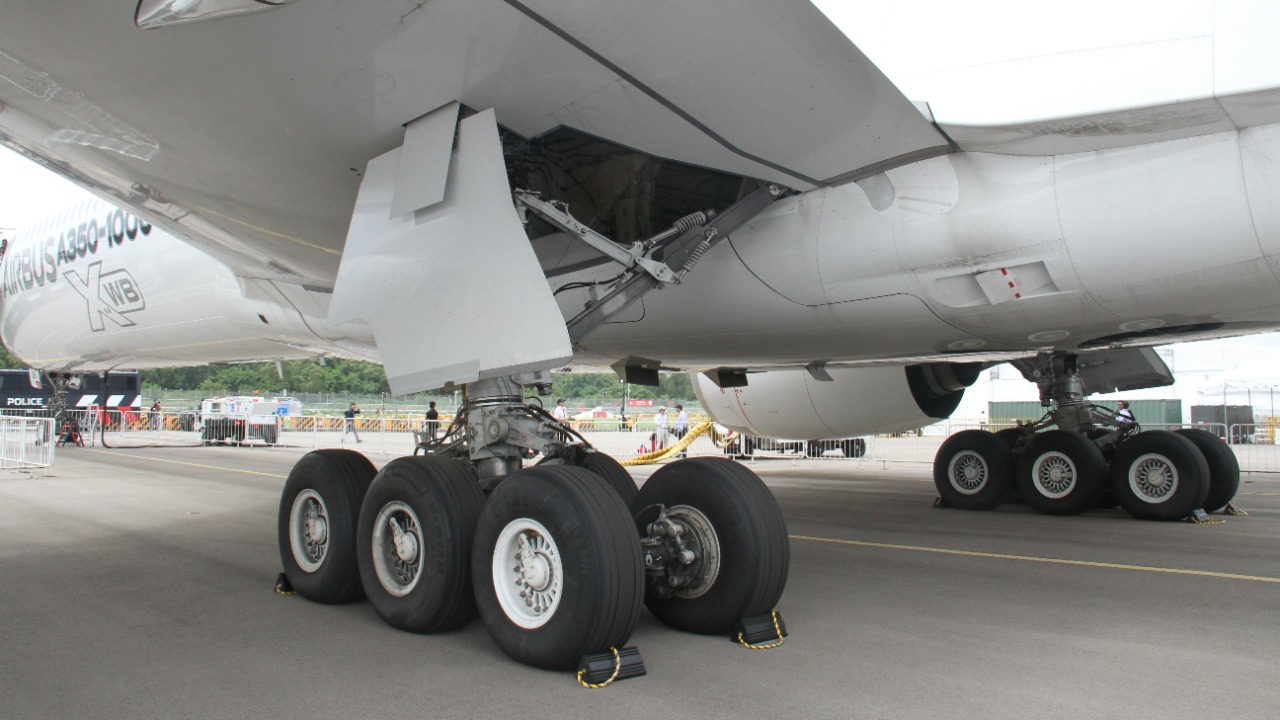
On the other side is Airbus, which can offer the A350 and A330neo families that are already popular with European network airlines. Coverage of the talks notes that SAS Scandinavian Airlines is exploring a long-haul fleet expansion with large orders from Airbus and Boeing, with specific mention of A350 and A330neo models. Additional reporting describes SAS negotiating with Boeing and Airbus on A350 and A330 variants, underscoring that the European manufacturer is positioning its latest-generation widebodies as a natural fit for SAS’s long-haul profile.
Demand, bankruptcy protection and the long-haul gamble
The timing of the potential order is striking because SAS is still operating under Chapter 11 bankruptcy protection in the United States, a process that has forced it to renegotiate leases and restructure debt. Despite that backdrop, the airline’s leadership has pointed to solid demand on long-haul routes and a need to lock in future capacity before delivery slots tighten further. One analysis of the carrier’s Strategy for Long Haul Travel notes that management sees a large widebody order as a lever to improve both financial performance and operational efficiency once the restructuring is complete.
At the same time, the airline’s current financial constraints limit how much risk it can take on. Coverage of SAS’s long-haul ambitions stresses that the company is still in discussions with Boeing and Airbus while it continues to see solid demand, even as it remains under court supervision. That combination of strong bookings and legal constraints makes the widebody campaign a high-stakes bet on the airline’s ability to exit Chapter 11 with a balance sheet robust enough to support a new generation of long-haul jets.
How the fleet decision will reshape SAS’s network
Whichever manufacturer wins the bulk of the order, the new aircraft will directly shape how SAS serves both North America and Asia in the next decade. Reporting on the airline’s long-haul plans notes that SAS intends to increase capacity not only to Boston and San Francisco and other U.S. cities, but also to leisure destinations such as Thailand’s Phuket and Krabi, which require efficient, long-range aircraft. The choice between Boeing and Airbus types will influence everything from cabin layout and cargo capacity to which secondary cities can be reached nonstop from Copenhagen and other Scandinavian hubs.
The decision will also ripple through the competitive landscape in Northern Europe. Detailed accounts of the talks describe SAS in negotiations with SAS and its potential suppliers as part of a broader effort to refresh its image and product on intercontinental routes. With Passenger aircraft operated by SAS already anchoring much of the long-haul traffic at Copenhagen Airport, a new generation of jets could help the carrier defend its home market against both low-cost long-haul challengers and larger network rivals that are also racing to secure scarce widebody delivery slots.