
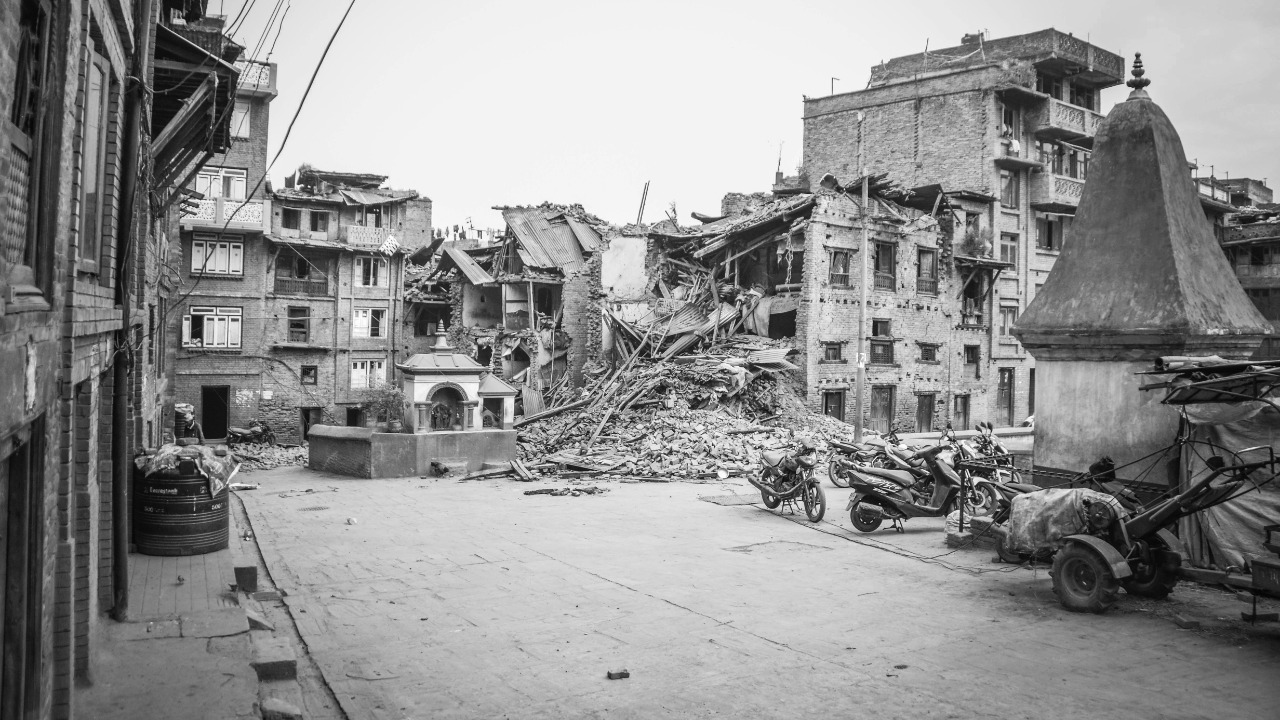

San Ramon is shaking again, but city leaders say the real story is what residents do between the tremors. A spike in swarm activity has rattled nerves, yet officials argue that preparation, not prediction, will decide how the community weathers whatever comes next.
Rather than treating the recent quakes as a one-off scare, San Ramon agencies are trying to convert anxiety into action, from town halls and hazard plans to detailed guidance on what to do when the ground moves. Their message is blunt: people should be shaken, not surprised, when the next fault shift arrives.
From background rumble to headline swarm
For years, low-level shaking has been part of life in San Ramon, but the latest swarm has pushed that background noise into the spotlight. Earlier this year, a magnitude 4.2 struck the city as part of a cluster of quakes that jolted residents out of routine and into community meetings. Separate tracking shows that San Ramon has recorded dozens of recent events, reinforcing the sense that the ground is in constant motion beneath this part of the East Bay.
Scientists describe this as swarm behavior, a pattern where a series of small to moderate earthquakes cluster in time and space rather than building to a single obvious mainshock. A San Ramon Earthquake update from federal seismologists has mapped out the activity, showing a tight knot of events near the city and emphasizing that such swarms can flare and fade over days or weeks. That pattern has played out before, and experts caution that while swarms signal active faults, they do not provide a timetable for a larger quake.
Town hall anxiety and a blunt safety message
The swarm’s psychological impact has been as significant as the physical shaking. Residents packed a community meeting described as Residents rattled and looking for answers, turning a routine briefing into a cathartic airing of fears. At that town hall, an Expert on seismicity told the crowd that a surge in small quakes does not, by itself, predict when a much larger event might hit, a message that both calmed some residents and frustrated others who had hoped for clearer forecasts.
City leaders have tried to pivot that uncertainty into practical guidance. San Ramon Mayor Mark Armstrong, identified in one account as San Ramon Mayor and a former FEMA official, told attendees that information and readiness are the only variables residents can truly control. At Friday’s town hall, Lux was joined by the San Ramon Valley, the San Ramon Police and the San Ramon Mayor, underscoring that this is not just a seismology story but a whole-of-city effort to keep people alive when the next strong jolt arrives.
Why officials say “do not run outside”
One of the clearest messages from Lux and other presenters has been about behavior in the first seconds of shaking. During an earthquake, Lux strongly urges individuals not to run outside because debris can fall on them; it is better to drop, cover and hold on where they are instead of sprinting toward doorways or parking lots. That advice reflects decades of injury data, which show that people are often hurt by falling glass, bricks and fixtures when they try to flee buildings in mid-quake.
Local fire officials echo that guidance in their public materials. The earthquake safety tips from the San Ramon Valley Fire Protection District emphasize staying low, protecting the head and neck and moving only once the main shaking stops, unless there is an immediate hazard such as fire. State guidance from Essential Earthquake Safety aligns with that approach, warning that the most common home injuries come from unsecured furniture, shattered windows and household items turned into projectiles, not from collapsing freeways or dramatic building failures that dominate popular imagination.
From “Did you know?” posts to formal hazard plans
Officials are not relying on single-night town halls to shift behavior. In January, the San Ramon Valley Fire Protection District used social media to remind residents that, as one post put it, There have been in just 30 days, adding that taking a few minutes for preparedness really does matter. That kind of messaging is designed to normalize the idea that earthquakes are not rare freak events but recurring hazards that justify regular drills and updated emergency kits.
Behind the scenes, Contra Costa County has been updating its Local Hazard Mitigation, which includes a dedicated City of San Ramon Annex. That annex, detailed in the City-of-San-Ramon-Annex-2024-HMP, lays out the city’s specific seismic risks, infrastructure vulnerabilities and long term strategies to reduce damage, from strengthening critical facilities to promoting retrofits of older homes. The planning documents treat swarms as reminders rather than anomalies, arguing that the frequency of smaller quakes should push both government and residents to treat preparedness as routine maintenance, not a one time project.
Turning fear into checklists and training
San Ramon’s emergency planners are trying to translate that sense of urgency into concrete household steps. The police department’s emergency preparedness pages tell families that they may need to be self sufficient for days, offering templates for communication plans, evacuation routes and neighborhood support networks. A related guide on Personal and Family breaks that down into Five steps, including obtaining and storing emergency supplies in the home, workplace and trunk of the car, and rethinking kits regularly so medications, batteries and documents stay current.
Community members are also turning to informal channels to share tips and vent. In one Comments Section on a regional forum about San Ramon, a user called Journeyoflightandluv responded to a nervous neighbor with the blunt advice, Yes you need a go bag, complete with specifics about flashlights on bedside tables and shoes stored where broken glass will not turn a late night dash into a medical emergency. A separate neighborhood discussion on Earthquake safety in urged residents to Have a propane stove to cook and boil water, keep a list of medications in case pharmacies or records are inaccessible and even pin emergency contacts to the homepage of a phone for quick access.