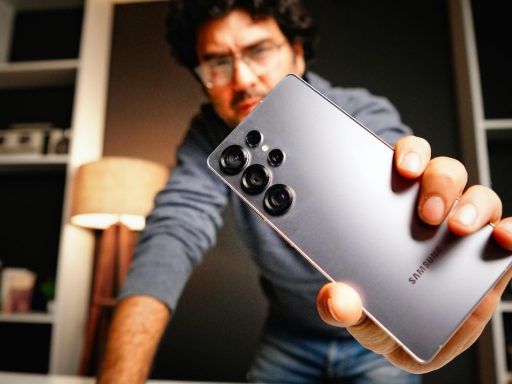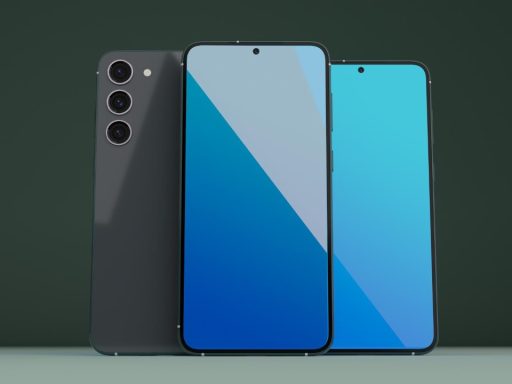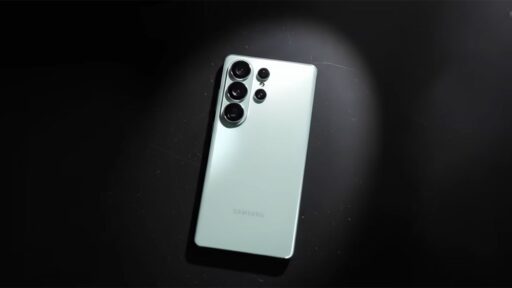


Samsung is turning one of the Galaxy S26 Ultra’s most persistent rumors into a headline feature, confirming that a built-in privacy layer for the display is on the way. Instead of relying on bulky screen protectors or software tricks, the company is preparing to bake screen shielding directly into the next generation of Galaxy hardware. The move signals that visual privacy, not just encryption and app locks, is becoming a core part of how Samsung thinks about smartphone security.
The company is still speaking in teasers rather than full spec sheets, but the direction is clear: the Galaxy S26 family, and especially the Galaxy S26 Ultra, will ship with a display that can selectively hide what is on screen from anyone who is not meant to see it. For people who live on banking apps, email, and work chats in public spaces, that could be as transformative as any camera or processor upgrade.
From vague promise to confirmed privacy display
Samsung has been hinting for months that the next Galaxy would introduce a new kind of privacy control, and it is now tying that promise directly to the Galaxy S26 line. In a recent announcement, the company described a fresh privacy feature for the next Galaxy phones that operates at what it called a “pixel level,” a clear signal that this is not just another software blur filter but something that touches the display itself, and that description has been linked explicitly to the upcoming Samsung Galaxy S26 devices. By framing the feature around individual pixels, Samsung is setting expectations that the phone will be able to control exactly which parts of the screen are visible and from which angles.
The company has also started to spell out that this capability will be built into the hardware of its next flagship rather than sold as an accessory. Samsung Electronics has revealed that its next Galaxy smartphone will include a native privacy feature designed to protect on-screen content from prying eyes, and that description has been attached directly to the Samsung Galaxy S26 Ultra. That positioning makes the privacy display sound less like an optional extra and more like a defining capability of the Ultra model, on the same level as its camera system or S Pen support.
How Samsung’s “Privacy Display” is supposed to work
At the center of Samsung’s pitch is a feature it is calling Privacy Display, which is being teased as an AI assisted way to keep your screen legible to you while making it far less useful to anyone looking over your shoulder. Early promotional material shows a panel that can dim or distort content for off axis viewers while keeping it clear from straight on, and one teaser clip even leans into the idea with a graphic of eyes peering at the screen of what is described as The Samsung Galaxy S26 Ultra. That video associates the Ultra with an AI based privacy display that helps shield content from nearby onlookers, a claim that has been shared through The Samsung Galaxy Ultra teaser clips.
Samsung itself has started using the Privacy Display name in its own messaging, describing a new layer of protection that can make content visible only to the person directly in front of the device. In an announcement framed around a “Coming Soon” tagline and a “New Layer of Privacy,” the company explains that the feature will let users limit what people around them can see on the screen, with the clear implication that the display can selectively narrow its viewing angles or alter what is shown to side glances. That same messaging notes that the Privacy Display is being developed for the Galaxy S26 line, and it explicitly positions the feature as a way to keep content visible only to you when using the Samsung Teases Galaxy Privacy Display feature in crowded environments.
Pixel level control and localized privacy zones
What makes this feature more than a simple viewing angle trick is the level of control Samsung is promising over individual parts of the screen. Reporting around the Galaxy S26 Ultra describes a system that can apply privacy effects to specific regions of the display, so that, for example, a messaging thread or banking balance can be shielded while a video or map remains fully visible. One detailed breakdown notes that the Samsung Galaxy S26 Ultra is expected to offer precise localized privacy screen control, with the privacy logic integrated directly into the device hardware rather than handled purely by software overlays, a claim that has been tied to Samsung Galaxy Ultra leaks.
Samsung’s own teasers back up the idea that this is a flagship level capability rather than a minor tweak. In its first Galaxy S26 teaser, the company focused squarely on the Privacy Display, presenting it as a marquee feature for the new Galaxy and hinting that it will work alongside existing customization tools like Good Lock. That teaser, which is framed as a gallery of short clips, shows the Galaxy S26 branding alongside references to Privacy Display and suggests that the feature will be part of the broader Galaxy experience rather than limited to a single app, a point that has been reinforced by early Galaxy S26 Privacy Display previews.
Why Samsung is betting big on shoulder surfing protection
Samsung is not shy about the problem it is trying to solve. The company is explicitly pitching the Galaxy S26 Ultra’s display as a way to stop “shoulder surfing,” the casual but very real risk that someone nearby can read your messages, passwords, or financial details just by glancing at your phone. One analysis of Samsung’s own material describes the new display tech as designed to kill shoulder surfing by hiding sensitive content from side angles while keeping it readable for the person holding the phone, and it notes that Samsung is highlighting this as one of the best features of the upcoming Samsung Galaxy S26 Ultra.
Samsung has also started to show how this will look in everyday use. In one promotional window, the company depicts a person using the Galaxy S26 Ultra in a public setting while people around them see only a blurred or darkened version of the screen, with the clear message that anyone looking at your screen from the side will not be able to read what is on it. That same material ties the effect to a cryptic announcement titled “A New Layer” of privacy, and it makes the case that the privacy display is not just a gimmick but a practical defense for people who use banking apps, email, and messaging on the go, a point underscored in early Samsung just confirmed Ultra previews.
AI, customization, and what it means for the Galaxy S26 Ultra
Beyond the basic idea of narrowing viewing angles, Samsung is layering AI and user controls on top of the hardware so that the privacy effect can adapt to different situations. According to early explanations of the feature, Privacy Display will let users customize settings for how aggressively the screen is shielded, potentially adjusting the strength of the effect based on the type of content or the environment. Those reports describe videos that show Privacy Display limiting what people around you can see on your screen while still keeping it usable, and they emphasize that the real test will be how this feels in daily life once the According Privacy Display demos translate into shipping software.
Samsung is already positioning the Galaxy S26 Ultra as the showcase for this technology, describing it as a first highlight feature for the new Galaxy generation and making clear that the company is preparing to unveil the device with this privacy layer front and center. One detailed look at the Ultra’s display calls out how the Privacy Display is integrated into the panel and suggests that Samsung is treating it as a core feature of the Galaxy S26, not an afterthought, a framing that has been echoed in coverage of the Galaxy S26 Ultra privacy feature.