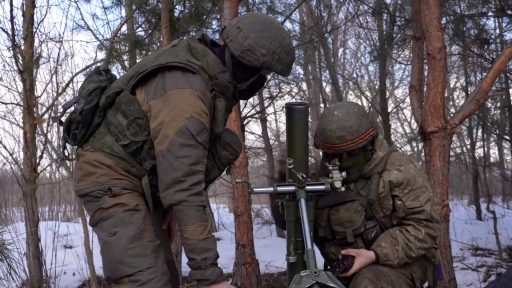
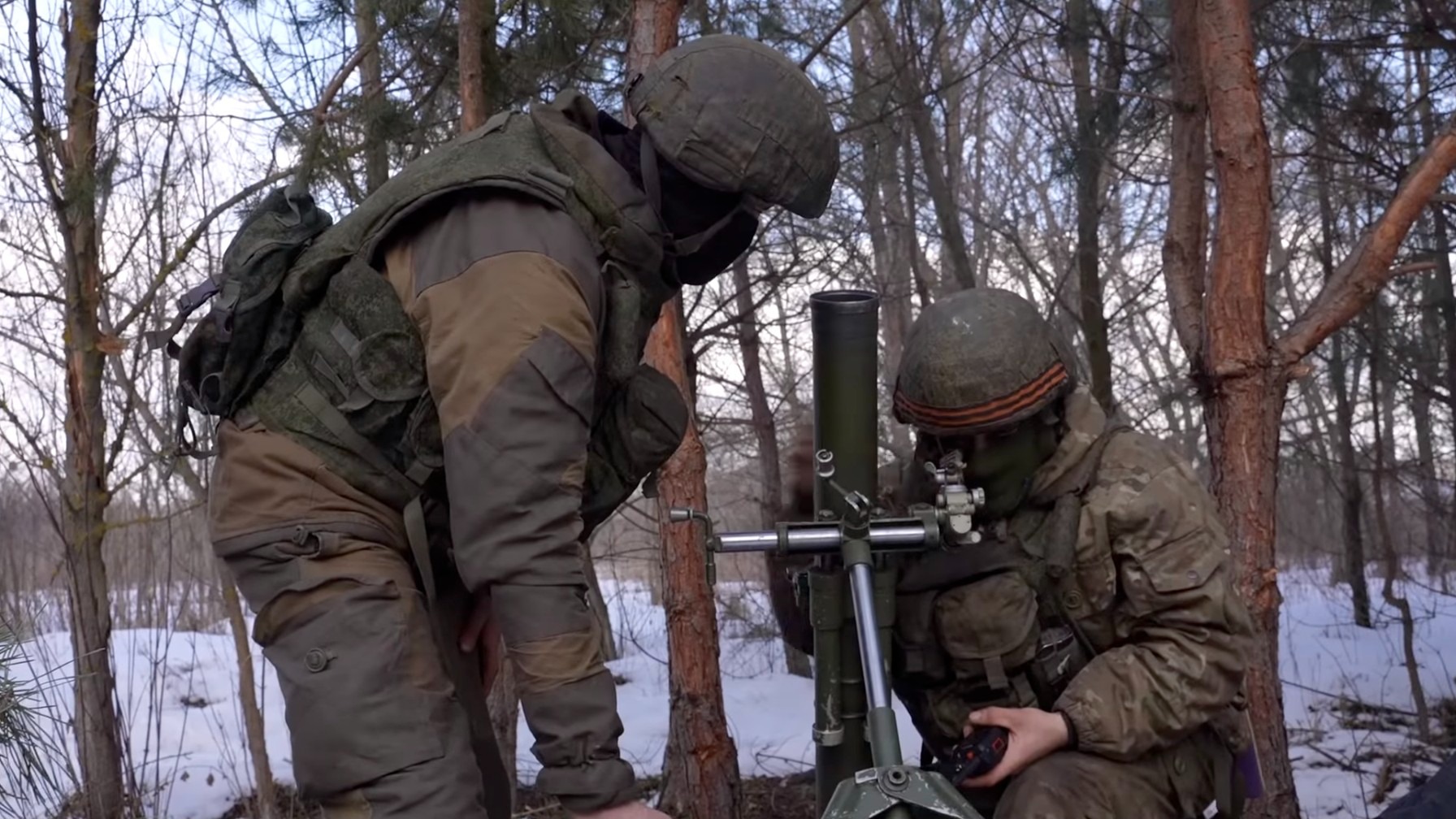

Russian troops who rely on Telegram to fight and survive are now watching the app vanish from their phones, even as they sit under fire in Ukraine. The Kremlin’s move to choke off the platform, presented as a security measure, has instead triggered open anger from soldiers and pro-war bloggers who accuse Vladimir Putin’s system of sabotaging its own war effort.
What began as a technical block has become a political shock. Front-line units say they are losing a vital lifeline for targeting, evacuations, and basic coordination, and some now joke that they will have to use carrier pigeons to pass messages along the trenches.
The ban that hit Russia’s favorite war app
Russia’s internet regulator, Roskomnadzor, has started to restrict access to Telegram across the country, cutting into a platform that had become central to both daily life and the war in Ukraine. Officials say the service is being limited because it is allegedly used for extremist and “terrorist purposes”, a claim that has been tied to broader efforts to control foreign social media apps, according to Here. In practice, many users now see error messages or need virtual private networks to connect at all.
The clampdown is not limited to civilians scrolling news feeds on their commute. Reports describe how social media access is being squeezed in a way that also hits soldiers in the field, who had come to depend on Telegram channels for real-time maps, drone footage, and direct chats with commanders. The decision lands at a moment when the Russian state is already trying to pull more control over the information space, and it shows how that push is now colliding with the basic mechanics of how its own army fights.
Front-line troops say chaos, not control
On the front line, Russian units in Ukraine have long used Telegram to share strike coordinates, warn about incoming drones, and track Ukrainian movements. One account describes how Units relied on the app to coordinate artillery fire and monitor threats in real time, making it a core part of their battlefield toolkit rather than a casual chat service. Cutting that channel mid-war is less like banning a social network and more like ripping out a radio system.
Russian soldiers now describe a sense of chaos as both Telegram and Starlink links are disrupted, with some saying they will “Have to Use Carrier Pigeons” to keep basic communication going along the line of contact. A detailed account of Russian Troops shows how quickly units can become blind when their usual apps vanish, from delayed medical evacuations to slower responses to Ukrainian strikes. For soldiers already operating under pressure, the disruption feels less like a safety measure and more like a direct threat to their survival.
“How exactly do you expect us to win?”
The loudest backlash has come from inside Russia’s own pro-war camp. Military bloggers and embedded correspondents, who once helped sell the invasion to the public, now accuse the authorities of undermining the army by attacking the very tool that connected them to the troops. One report quotes furious messages from the front asking Vladimir Putin’s team, “How exactly do you expect us to win?” as they see their channels throttled and their audiences cut off. A piece on angry Russian reaction highlights how this is not coming from opposition figures but from people who had been some of the Kremlin’s most loyal amplifiers.
Those bloggers warn that “thousands of soldiers will be left without communication” if the crackdown continues, and they frame the move as a gift to Ukraine rather than a blow to Western influence. They point out that many official channels, including some linked to Roskomnadzor itself, had been using Telegram to broadcast statements and updates, which makes the sudden change look even more self-defeating. The same sources stress that Putin, not just faceless regulators, is being held responsible for a decision that frontline fighters see as disconnected from the reality of trench warfare.
From propaganda tool to target
For years, Russian authorities tolerated and even relied on Telegram as a semi-official outlet, especially after the full-scale invasion of Ukraine began. Pro-war influencers used it to push narratives and attack critics, and in return they gained access to soldiers and commanders. Now those same voices are facing tighter controls as the Kremlin tries to rein in criticism of its generals and political leadership. One detailed account of the crackdown describes how soldiers and bloggers who once enjoyed latitude are now being pulled back into line.
The shift reflects a wider fear inside the system that Telegram has become too powerful as an independent source of information, even when that information is pro-war. Reports on Russia’s curbs describe concern among analysts that the move could backfire by cutting the state off from a key feedback loop on how the war is actually going. Instead of fixing flaws in logistics or command, the authorities risk silencing the messengers who have been warning about those problems since the first months of the invasion.
Security fears, censorship drive, or both?
Officially, Moscow presents the Telegram squeeze as a response to extremism and national security threats. Roskomnadzor has linked the move to the use of the app for organizing attacks and spreading banned content, and it has bundled Telegram together with other foreign platforms in a larger campaign to assert control over the digital space. A detailed explainer on Russia restricting access notes that Ivana Kottasov, Max Saltman, Kosta Gak, and Anna Chernova have all reported on how the state frames these measures as necessary to fight terrorism.
Yet the pattern of enforcement suggests a political logic as well as a security one. The blocks have hit channels that share battlefield setbacks, criticize commanders, or highlight corruption, even when those channels are run by supporters of the war. One overview of Russia is restricting Telegram makes clear that the campaign is part of a broader attempt to seal off the information space from any narrative the Kremlin does not script itself, even if that means cutting into the tools its own soldiers use to fight.