
Rolls-Royce has turned a year of supply snarls and rising trade barriers into a powerful earnings story, lifting annual profit by 40% and convincing investors that its turnaround has real momentum. The group has leaned on tighter cost control, stronger engine flying hours and a sharper commercial focus to expand margins even as key suppliers struggled to keep pace with demand.
The result is a company still wrestling with fragile supply chains and tariff uncertainty, yet generating record cash and setting more ambitious medium term targets. The test now is whether Rolls-Royce can sustain that performance as aerospace demand keeps climbing and political pressure on trade intensifies.
Record profits and a 40% leap in earnings
Rolls-Royce has reported a step change in profitability, with group profit rising by 40% year on year as its aero engines business benefited from higher utilisation and pricing. The company’s own full year results highlight a 14% increase in group revenue, providing the top line fuel for that earnings surge. Analysts tracking Rolls-Royce Holdings PLC under the RLLCF PFD ticker have described the year as a record, with margins expanding across key divisions and management lifting guidance for the years ahead.
External assessments echo that narrative, with one detailed breakdown of the engine maker’s performance stating that Rolls-Royce delivered a 40% profit increase on the back of stronger Civil Aerospace trading and disciplined execution of its transformation plan. That same analysis of Rolls-Royce engines notes that the company is now targeting higher medium term returns, confident that its strategic initiatives will support growth for years to come. The profit jump has also translated into stronger free cash flow and a healthier balance sheet, giving management more room to reward shareholders and invest in future programmes.
Supply chain strain that refuses to fade
Behind the headline numbers, Rolls-Royce is still navigating a supply chain that remains stretched after several years of disruption. The group’s finance leadership has warned that aircraft and engine supply constraints are likely to persist for another 12 to 18 months, a view explained in detail in a CFO interview that pointed to lingering bottlenecks at critical component makers. Those comments referenced issues that had affected deliveries during 2024, including disruption linked to a flight headed to an Asian destination, and underlined that even as demand recovers, the industrial system is still fragile.
To keep engines flowing to airframers and airlines, Rolls-Royce has had to work more closely with its supplier base, adjust production schedules and hold higher inventories of some parts. The company’s own press material stresses that operational improvements and tighter oversight of the supply chain have been central to its recent performance. Even so, management acknowledges that constraints at smaller specialist firms can still ripple through final assembly, which is why the group continues to flag supply risk even as it celebrates record earnings.
Tariffs, trade tension and the aerospace ripple effect
Alongside supply constraints, Rolls-Royce has been operating in a trade environment that has grown more unpredictable, with new tariffs and political friction reshaping costs and customer decisions. The company is not the focus of every trade measure, but the experience of other aerospace players shows how quickly the economics of cross border manufacturing can shift. A detailed assessment of a recent 50% tariff on Brazil illustrates how a sudden policy move forced immediate impact of, prompting the Brazilian manufacturer to rework its supply routes and pricing to stay competitive.
Rolls-Royce has signalled that it has also had to contend with tariffs and trade friction, particularly as it sources materials and components globally and sells engines into markets where political leaders have turned to protectionist tools. In a detailed briefing on its strategy, the group’s chief executive Tufan Erginbilgic stated that Our transformation continues with pace and intensity and noted that the company had navigated challenges from supply chain to tariffs while still delivering stronger financial results. That balancing act requires constant adjustment of sourcing strategies, hedging of currency and material exposures, and careful negotiation with customers whose own economics are affected by trade measures.
Cash generation, buybacks and higher targets
The profit surge has translated into a powerful cash performance, which is reshaping how Rolls-Royce allocates capital. Free cash flow jumped to GBP 3.27 billion in 2025 from GBP 2.43 billion a year earlier, according to a detailed review of the group’s finances that highlighted how Free cash flow as Civil Aerospace delivered a much stronger underlying operating result. Civil Aerospace has been the primary engine of this turnaround, with higher engine flying hours and better pricing on long term service agreements feeding directly into cash generation.
That cash has given Rolls-Royce the confidence to launch a 12 billion dollar share buyback and raise its 2028 financial targets. In the same update where Erginbilgic said that Rolls-Royce profit jumps, the company lifted its medium term operating margin ambitions into a range of 18% to 21% and signalled that it expects sustained growth in engine flying hours. The planned buyback, which follows a period of intense restructuring, is intended to return excess capital to investors while still leaving room for investment in new technologies and capacity expansion.
Defence strength and the long tail of engine demand
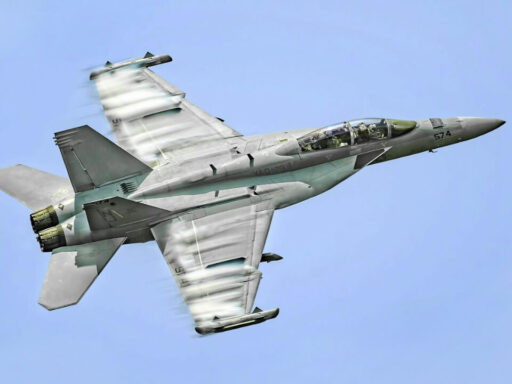
Rolls-Royce is not only riding the recovery in commercial aviation. Its defence activities have also delivered a meaningful uplift, with one detailed report stating that the company made 1 billion pounds more profit after securing major defence orders. That analysis, which cited a briefing in LONDON from Bernama, described how new contracts are expected to support engine production and servicing well into the 2030s. That long tail of defence work provides a stabilising counterweight to the more cyclical commercial engine business.
The company’s own communications on its 2025 performance emphasise that defence, power systems and Civil Aerospace are all contributing to a more balanced earnings mix. Earlier reporting on Rolls-Royce financial results for 2024 already pointed to increased demand and operational improvements across these units, setting the stage for the 2025 surge. With defence contracts stretching into the next decade and a growing installed base of engines under long term service agreements, Rolls-Royce is building a pipeline of recurring revenue that can support its higher medium term targets even if the macroeconomic cycle turns.