
Attention deficit hyperactivity disorder has long been described through outward behavior, yet diagnosis still relies heavily on checklists and clinical impressions. Emerging brain data now suggest that behind the familiar symptoms may be three biologically distinct versions of ADHD, each with its own wiring pattern and treatment needs. If that proves true, current labels could be missing a key detail that helps explain why some people thrive on standard therapies while others struggle for years.
Some researchers now argue that ADHD may be less a single disorder and more a family of related brain conditions that look similar on the surface. Such a shift would not erase existing diagnoses, but it could change how clinicians interpret them, how families understand uneven responses to medication, and how future drugs and therapies are designed.
From symptom lists to brain “biotypes”
Clinicians currently define attention deficit hyperactivity disorder as a neurodevelopmental condition marked by persistent problems with attention, hyperactivity, or impulsivity that interfere with daily life. Public health guidance describes ADHD as a disorder that typically begins in childhood and often continues into adulthood, affecting school, work, and relationships when symptoms are not managed, a picture reflected in national descriptions of ADHD. Educational materials from psychiatric agencies likewise stress that ADHD is not a character flaw or a parenting failure, but a brain-based difference that alters how people regulate focus, movement, and decision making, as outlined in overviews of what you need.
Despite that biological framing, diagnosis still depends on patterns of behavior rather than direct measures of brain function. Clinicians interview families, gather rating scales, and compare symptoms against criteria that have changed little in recent years, an approach summarized in guides to ADHD diagnosis. The method helps many people, but it also leaves gaps: individuals with the same label can have very different difficulties, and two patients who look similar in the clinic can respond in opposite ways to the same medication.
The classic three types clinicians already use
Official guidance already divides ADHD into three presentations, but these are based on symptom patterns rather than brain scans. According to federal health information, there are three different ways ADHD presents itself, depending on which symptoms are most prominent at a given time: predominantly inattentive, predominantly hyperactive impulsive, and combined, which mixes both sets of problems, as outlined in descriptions that explain that There are three. In practice, that means one child might mostly daydream and misplace homework, another might constantly fidget and interrupt, and a third might do both.
Educational resources often spell out these patterns in detail, describing how an inattentive child may be easily distracted, make frequent careless mistakes, and struggle to follow instructions at school, while a hyperactive impulsive child might run or climb at inappropriate times, talk excessively, or act without thinking, as seen in clinical overviews that note how may also have staying organized. Other guides extend this into adulthood, explaining that the inattentive presentation can show up as chronic disorganization and missed deadlines, while the combined form blends distractibility with restlessness and impulsive decisions, a pattern echoed in resources that list the Key Takeaways for recognizing subtypes.
New evidence for three brain-based ADHD “biotypes”
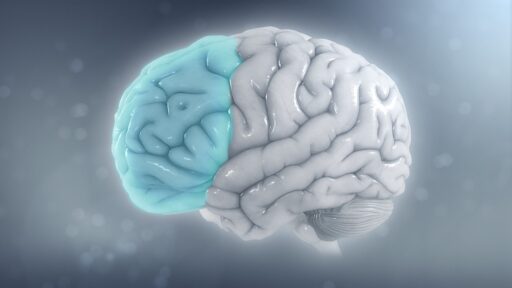
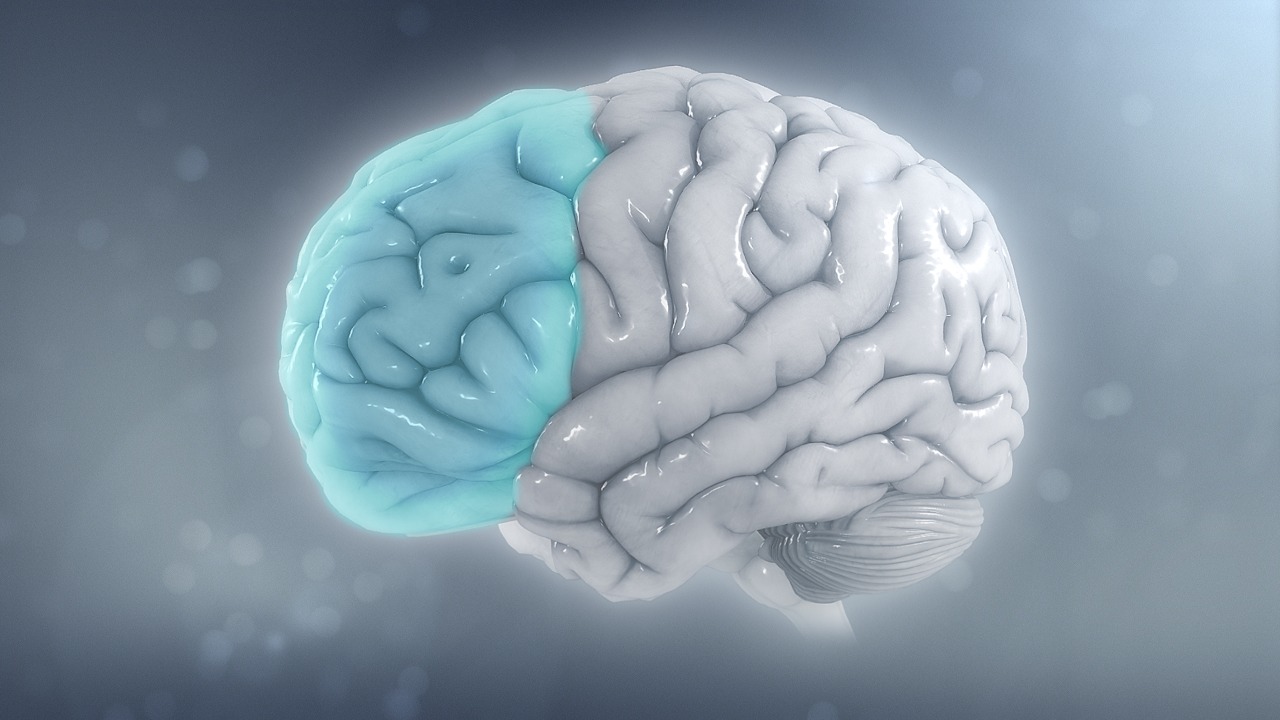
Recent work suggests that behind these behavioral categories may sit three distinct brain network configurations. A large imaging study used brain network modeling on more than 1,150 participants and identified three ADHD brain biotypes, each with its own pattern of connectivity, genetic risk, and likely treatment response, as reported in coverage of research from West China Hospital,. The researchers behind this work argue that ADHD is not one condition but at least three related ones that share outward signs but differ under the hood.
Reporting on the project explains that researchers used machine learning to cluster brain scan data into three groups that cut across traditional symptom labels. In this account, There might be 3 different types of ADHD at the level of brain circuitry, with one biotype showing disrupted attention networks, another showing more profound executive control issues, and a third reflecting broader communication problems between brain regions, as described in a feature that notes that There might be. The exact labels for these clusters vary across reports, but the central claim is consistent: three reproducible patterns in brain wiring appear again and again among people who meet criteria for ADHD.
Why this matters for diagnosis, gender gaps, and missed patients
If ADHD splits into biological subgroups, that could help explain long-standing disparities in who gets diagnosed and when. Commentary on the new data points out that for many years ADHD was considered to only affect boys, which contributed to a well known gap in diagnosis between men and women that persists today, as described in coverage that notes that for many years ADHD was consideredect boys. Girls and women are more likely to show inattentive traits without obvious hyperactivity, which can lead teachers and clinicians to miss their struggles or to label them as anxious or unmotivated instead.
Some experts now argue that if one brain biotype tends to produce quieter, inward difficulties, people in that group may be especially likely to be overlooked. Reports describe cases where individuals, often women, are told they are simply “inattentive” and given no support, despite clear functional impairment that fits ADHD criteria, a pattern highlighted in analysis suggesting that could be missing about how the condition shows up across genders. Brain based subtyping would not instantly fix those biases, but it could offer more objective tools to flag people whose symptoms are easy to dismiss in a brief office visit.
Toward more precise treatment and future research
The idea of dividing psychiatric conditions into biological subtypes is gaining ground beyond ADHD. Work on depression and anxiety has begun to identify clusters of patients with distinct brain signatures, and early studies suggest that some of these groups respond better to medication while others do better with psychotherapy, providing initial proof that psychiatric biotyping could guide treatment choices, as described in analysis of the biological diagnosis of. In neurology, similar efforts have focused on Identifying characteristics that differentiate between people who respond to a drug and those who do not, in order to tailor future therapies in a more personalised fashion for newly diagnosed individuals, as described in work on Identifying treatment responders. ADHD researchers are now borrowing similar strategies, hoping that brain based biotypes will eventually match up with specific medications or behavioral programs.
Clinicians are also experimenting with algorithms that sort patients into subgroups based on symptom clusters and coexisting conditions, with the goal of predicting which children will benefit from standard stimulant drugs and which might need alternative approaches. One group developing such tools has suggested that it is possible that groups with or without comorbidities may respond differently to medication, which could help design better and more effective methods for therapeutic intervention, as described in work where It’s possible that are treated differently. Large clinical trials registered in databases of ongoing studies are beginning to incorporate imaging and genetic measures, with researchers using platforms such as clinical trial registries and indexing services like PubMed to track how different ADHD subgroups respond over time. Together, these efforts signal a shift from a one size fits all diagnosis toward a more tailored view in which three ADHD brain types may be only the beginning of a deeper map of neurodevelopmental diversity.