
The latest failure of a massive SpaceX booster in South Texas did more than light up the sky. It rattled homes, flooded emergency lines and forced regulators and local leaders to confront how much risk communities are being asked to absorb in the name of rapid rocket development. What unfolded around the company’s Starbase complex has become a test of whether the country’s safety systems can keep pace with a launch program built on spectacular trial and error.
Residents near the launch site have grown used to sonic booms and bright plumes, but the scale of this blast and its aftermath pushed those expectations to a breaking point. The explosion of a Super Heavy stage during testing turned a remote corner of the Gulf Coast into a live demonstration of what happens when cutting edge rocketry collides with fragile infrastructure and unclear lines of authority.
Shock waves over Starbase and the border
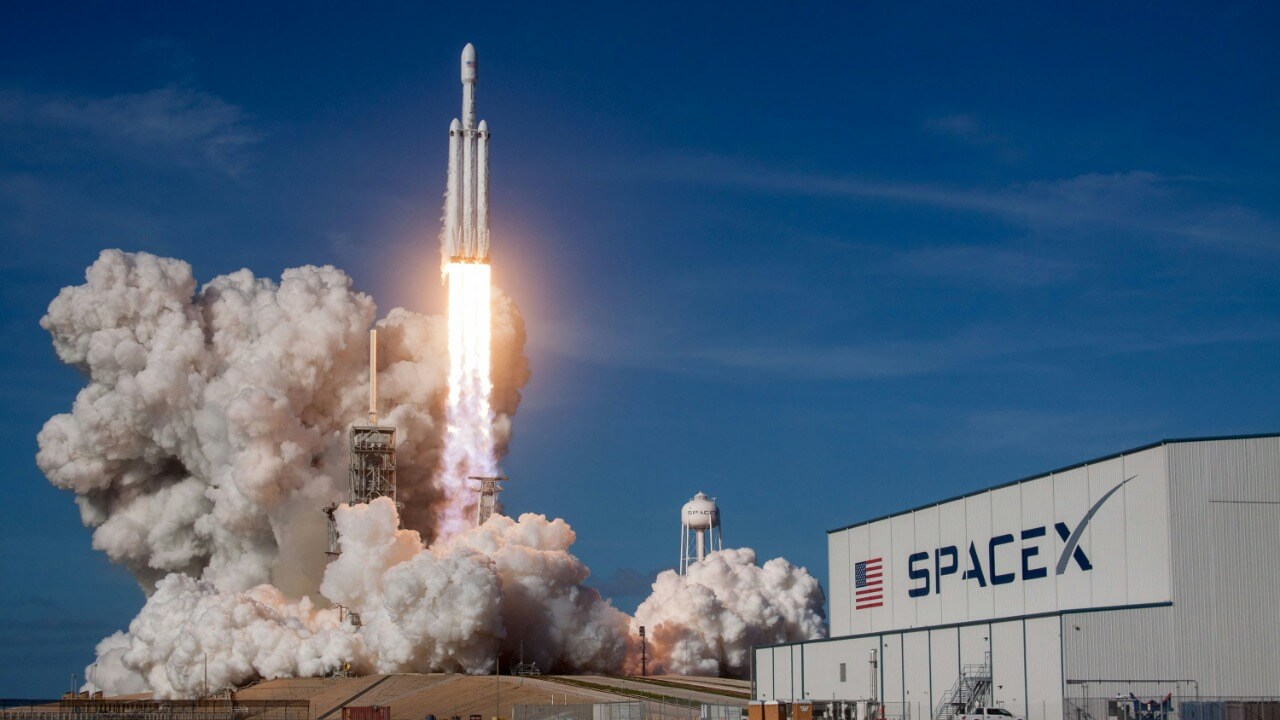
When a Super Heavy booster came apart during a June 18 test at the Starbase complex, the violence of the failure was obvious on video long before the shock wave reached nearby neighborhoods. The booster, part of the system that carries Starship to orbit, erupted into a fireball that sent debris arcing away from the pad and underscored just how much explosive energy is concentrated in each test firing. The scale of the blast around Super Heavy was a reminder that this is not a contained industrial accident but a failure of a vehicle designed to leave the planet.
The geography around Starbase magnified the stakes. The test site sits near the Rio Grande and the border with Mexico, and debris from the June blast was reported across that international line, raising questions about cross border notification and cleanup responsibilities. The facility is also close to sensitive coastal habitat and to the growing community that has sprung up around the Starbase area, where residents have had to weigh the economic pull of a high profile spaceport against the physical jolt of each major test.
‘It sounded like a bomb’: 911 calls and local panic
The human impact of the South Texas blast came into focus in the minutes after the booster failed, when the sound and shock wave rolled across Brownsville, Port Isabel and smaller communities closer to the pad. Dispatch centers were inundated with 911 calls from residents who thought a refinery had blown up or a plane had crashed, tying up first responders who had to determine whether they were dealing with a single industrial incident or a broader emergency. The blast sparked fires and hurled debris into a resaca of the Rio Grande and into Mexico, forcing local agencies to scramble for information from a company that controls the site and much of the data about what went wrong.
Several weeks after the explosion, Cameron County Judge Eddie Treviño Jr. was still pressing for clarity on which federal or state office was ultimately responsible for coordinating the response and long term oversight. That uncertainty, described by Cameron County Judge and other local officials, left residents feeling as if they were living next to a high risk test range without a clear safety net. I see that gap as more than a bureaucratic nuisance, it is a structural flaw that leaves communities guessing about who will protect them when something goes wrong.
Airspace risk and the FAA’s uneasy role
The danger from these explosions is not confined to the ground. Earlier this year, federal documents revealed that a Starship failure in January posed a greater threat to air travel than the public had been told at the time, with debris and breakup patterns that came uncomfortably close to commercial routes. The Starship incident, detailed in records from the Federal Aviation Administration, highlighted how quickly a mishap in the upper atmosphere can turn into a hazard for aircraft that share the same skies.
The FAA is the primary regulator for commercial space launches, yet it is also the guardian of the national airspace system that keeps passenger jets separated and safe. That dual role has come under strain as the cadence of launches increases and as failures like the South Texas blast expose the limits of current modeling and coordination. The agency’s own site describes how it manages launch licensing and airspace closures, but the January event and the June booster failure have raised doubts about whether the FAA can both promote commercial spaceflight and act as a tough safety cop when rockets threaten established flight corridors.
Airlines, crowded skies and the next Starship flight
Airlines have their own reasons to worry about the pattern of high profile rocket mishaps. On January 16, 2025, commercial airline flights were moving through the Caribbean region around Puerto Rico and Cuba when a SpaceX vehicle broke apart, forcing controllers to juggle reroutes and assess the risk of in air collisions from unexpected debris. That episode, described in detail in accounts of Commercial traffic near Puerto Rico and Cub, showed how a launch gone wrong can ripple through airline schedules and safety margins far from the pad.
Despite that history, SpaceX is already preparing its next Starship test, with the company targeting a March flight following the vehicle’s Flight 11 launch on Oct. 13. The plan, described in updates on Flight 11 and the upcoming campaign, underscores the company’s philosophy of rapid iteration, where each failure is treated as a data point on the way to a fully reusable system. I see a tension here that regulators and airlines cannot ignore: the faster the test tempo, the more often airspace will be closed or unexpectedly disrupted, and the more critical it becomes to have robust, transparent coordination between launch providers and the carriers that move millions of passengers every day.
Global echoes and the politics of acceptable risk
The shock and confusion in South Texas are not unique to the space industry. In the Curitiba region of Brazil, the explosion of a large company that specialized in handling explosives was so powerful that it was heard and felt in distant neighborhoods, generating panic and an immediate mobilization of the authorities. That industrial disaster, described in reports from the Curitiba region, offers a sobering parallel to Starbase: when something built to contain or harness explosive power fails, the first test is whether emergency systems can respond faster than fear spreads.
In South Texas, the response to the Starbase blast has exposed a patchwork of overlapping jurisdictions and a political climate that often treats high tech projects as untouchable engines of growth. Local leaders like Cameron County Judge Eddie Treviño Jr. are left to navigate between residents who feel underinformed and a company that has become a dominant economic force. As the next Starship flights approach and as the memory of the June Super Heavy failure lingers over the Rio Grande and Mexico, I see a simple but uncomfortable question taking shape: how much unplanned noise, debris and risk should any community be asked to absorb in exchange for a front row seat to the future of spaceflight?