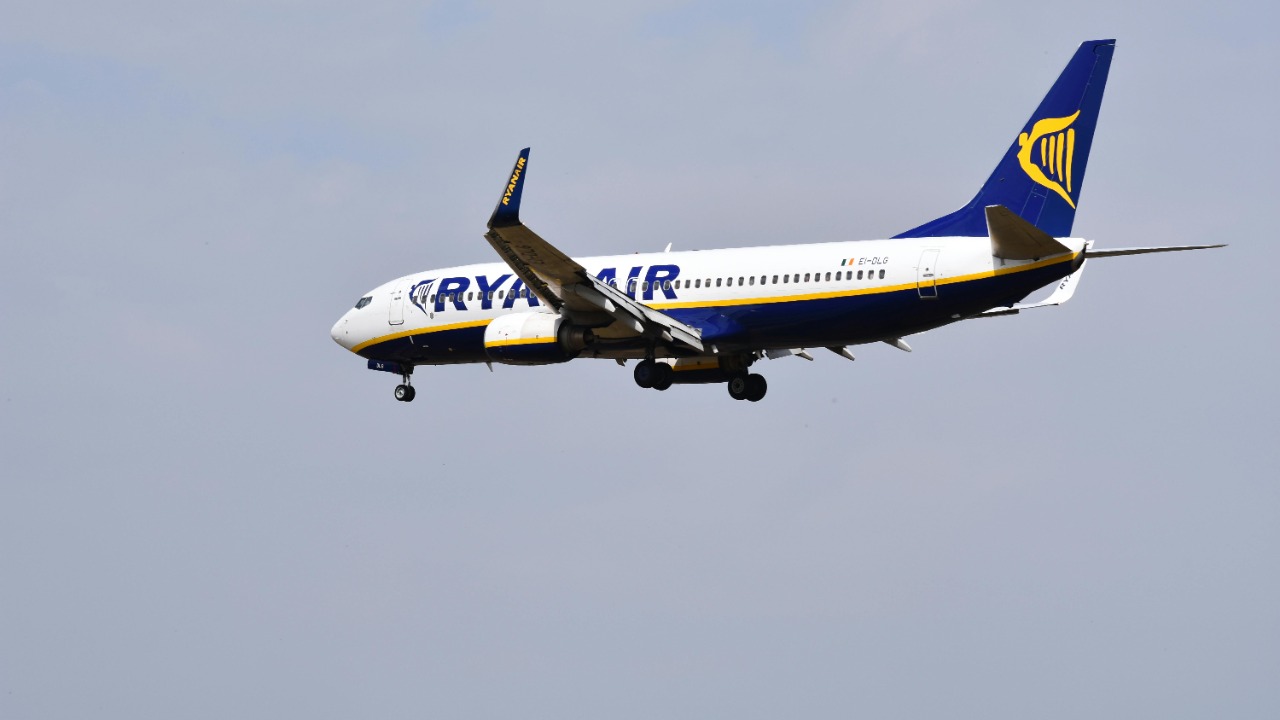

The Italian competition authority has imposed a €256 million fine on Ryanair for what regulators describe as an abusive strategy that blocked or restricted sales by travel agencies, striking at the heart of the carrier’s tightly controlled distribution model. The decision, framed as a landmark enforcement move with potential to reshape airline ticketing practices across Europe, centers on allegations that Ryanair’s policies limited third-party access to its fares and ancillary services. Ryanair has pledged to appeal, setting up a protracted legal battle that could determine how far low-cost airlines can go in steering customers to their own platforms.
Details of the Fine and Allegations
The Italian competition authority, known as the Autorità Garante della Concorrenza e del Mercato (AGCM), levied a €256 million penalty after finding that Ryanair had engaged in conduct that thwarted sales by travel agencies and online intermediaries. According to reporting on the decision, the regulator concluded that Ryanair’s distribution model, which favored direct bookings on its own website and app, crossed the line from aggressive commercial strategy into an abuse of market power by limiting access for independent sellers. The size of the fine, described as a “huge” and “massive” sanction in coverage of the case, represents a significant financial hit for the airline and signals that Italian authorities are prepared to treat ticket distribution as a core competition issue rather than a purely contractual matter.
Investigators focused on what they characterized as an “abusive strategy” that involved blocking or heavily restricting the ability of travel agencies to sell Ryanair tickets and related services, including seat selection and baggage options, to Italian consumers. Reports on the ruling state that the AGCM found Ryanair had used technical and contractual measures to limit third-party access to its inventory, which in turn reduced the visibility of its flights on agency platforms and made it harder for agencies to offer Ryanair as part of broader travel packages. By targeting this behavior on competition grounds in the Italian jurisdiction, the authority signaled that it views control over distribution channels as a potential barrier to market access for third-party sellers, with direct implications for how airlines structure their relationships with intermediaries.
Ryanair’s Immediate Response
Ryanair has responded forcefully to the decision, pledging to appeal the €256 million fine and arguing that its approach to travel agencies is both lawful and pro-consumer. In statements cited in coverage of the case, the airline rejects the “abusive strategy” label and maintains that it has the right to determine how and where its tickets are sold, particularly given its focus on keeping costs low and maintaining direct contact with passengers. The company frames the ruling as part of a broader spat with travel agencies in Italy, suggesting that some intermediaries seek to “free ride” on Ryanair’s investment in its digital platforms while adding service fees that can confuse customers about the true price of flights.
Reports on the enforcement action note that the timing of the announcement introduces fresh uncertainty for Ryanair’s operations in one of its key European markets, coming after earlier regulatory scrutiny of its commercial practices. Coverage of the case highlights that the airline has already signaled its intention to challenge the AGCM’s findings in court, a process that could take years and may involve interim measures or negotiated adjustments to its distribution policies. For stakeholders, the immediate implication is a period of legal and commercial limbo in which Ryanair will seek to preserve its direct-sales model while regulators and agencies push for broader access, a tension that could influence pricing, availability, and customer service standards in the Italian market.
Impact on the Airline Industry
The €256 million fine is widely described as a landmark ruling that could set a precedent for how European regulators handle cases involving the blocking of sales by travel agencies. By explicitly linking Ryanair’s distribution practices to competition concerns, the AGCM has opened the door for similar scrutiny of other low-cost carriers that rely heavily on direct online sales and have historically limited cooperation with traditional agencies. Reporting on the decision notes that the case is being closely watched across the industry because it tests whether authorities will treat control over digital channels as a form of market power that can be abused, particularly when a carrier has a strong position on key routes or in specific national markets.
Industry analysis in coverage of the ruling suggests that airlines may now face increased oversight of any tactics that restrict third-party access to fares, from technical barriers that block screen-scraping to contractual clauses that prohibit agencies from displaying certain prices or ancillary products. The decision could encourage regulators in other European countries to examine whether similar practices are undermining competition in their own markets, especially where consumers rely on comparison sites and agencies to evaluate options across multiple carriers. For the broader airline sector, the stakes include potential shifts toward more open distribution models, greater transparency around fees and ancillary services, and a rebalancing of power between airlines and intermediaries that could reshape how tickets are marketed and sold.
Implications for Travelers
For travelers, the core issue in the Italian case is access to Ryanair flights and services through the booking channels they prefer, particularly brick-and-mortar agencies and online travel agencies that bundle flights with hotels, car rentals, or tours. The AGCM’s decision targets restrictions that limited agencies’ ability to sell Ryanair tickets, which, if upheld and enforced, could lead to a wider range of booking options for passengers who do not want to purchase directly from the airline. Coverage aimed at consumers emphasizes that the ruling is “set to impact the airline industry” and explains that travelers should pay attention to how Ryanair adjusts its policies in Italy, since any changes could affect the availability of its flights on agency platforms and price-comparison tools.
Although Ryanair’s appeal means that immediate changes may be gradual rather than overnight, consumer-focused reporting advises passengers to monitor policy updates from the airline and from the Italian competition authority, particularly regarding how agencies can access and display Ryanair fares. Travelers who rely on agencies for complex itineraries or corporate travel may see improved access to Ryanair flights if the ruling leads to more open distribution, potentially increasing flexibility and price transparency. At the same time, passengers should be aware that ongoing legal disputes can create short-term uncertainty around booking channels, so checking both agency offerings and Ryanair’s own website or app before finalizing a purchase remains a prudent strategy while the enforcement process unfolds.
How the Case Fits into Ryanair’s Wider Regulatory Battles
The Italian fine does not exist in isolation, but rather fits into a broader pattern of regulatory and legal disputes involving Ryanair’s commercial strategies across Europe. Reporting on the €256 million sanction notes that the airline has previously clashed with authorities and consumer groups over issues such as refund policies, ancillary fees, and the use of dynamic pricing, all of which are closely tied to its preference for direct digital sales. By focusing on the blocking of travel agency sales, the AGCM has effectively targeted a pillar of Ryanair’s low-cost model, which relies on tight control over distribution to manage costs and gather customer data, raising questions about how far regulators are willing to go in reshaping that model in the name of competition and consumer protection.
Coverage of the Italian decision also highlights that the case could influence Ryanair’s relationships with other national regulators, as authorities in different jurisdictions assess whether similar concerns exist in their markets and whether coordinated action is warranted. For Ryanair, the stakes extend beyond the immediate financial impact of the €256 million fine to include potential constraints on its ability to replicate its Italian distribution strategy elsewhere, as well as reputational risks that could affect negotiations with airports, tourism bodies, and corporate clients. From a wider policy perspective, the case underscores a growing willingness among European competition authorities to scrutinize digital distribution practices in sectors like aviation, where control over online channels can shape not only prices but also the visibility and accessibility of travel options for millions of passengers.
According to detailed coverage of the enforcement action, the AGCM’s decision explicitly characterizes Ryanair’s conduct as an “abusive strategy” that distorted competition in the Italian market by limiting agencies’ ability to offer its flights alongside those of rival carriers. One report on the ruling explains that the authority viewed this behavior as particularly problematic because it affected not only standalone ticket sales but also package holidays and combined travel products that many consumers purchase through agencies. By imposing a €256 million fine and ordering changes to Ryanair’s practices, the AGCM signaled that it expects airlines to allow fair access to their inventory for intermediaries, a stance that could reverberate through ongoing debates about data access, platform power, and consumer choice in digital markets.
In its public response, Ryanair has argued that its direct-sales model delivers lower fares and clearer information to customers, and that any restrictions on agency access are designed to prevent what it describes as misleading markups or hidden fees added by third parties. The airline contends that forcing it to open up its distribution channels more widely could undermine its ability to control the customer experience and keep costs down, potentially leading to higher prices or reduced investment in its own digital platforms. As the appeal process moves forward, courts will have to weigh these arguments against the AGCM’s findings about market access and competition, a legal balancing act that will shape not only Ryanair’s future in Italy but also the boundaries of acceptable conduct for airlines operating in increasingly digital and data-driven markets.
Consumer advocates cited in coverage of the case argue that greater agency access to Ryanair flights could enhance transparency by allowing passengers to compare prices and services across multiple carriers in one place, rather than navigating separate airline websites. They also point out that agencies often provide additional support, such as assistance with schedule changes or disruptions, which can be particularly valuable for less experienced travelers or those booking complex itineraries. If the Italian ruling ultimately leads to more open distribution, it could strengthen the role of agencies as intermediaries that help consumers navigate a fragmented and sometimes opaque marketplace, while also pushing airlines to compete more directly on price and service quality rather than on control over digital channels.
From an industry strategy perspective, analysts note that airlines may respond to the Italian decision by revisiting their contracts and technical interfaces with agencies, potentially moving toward standardized data-sharing arrangements that balance control with regulatory compliance. Some carriers might choose to expand their presence on global distribution systems or to develop new partnerships with online travel agencies that meet specific transparency and service criteria, using these relationships as a way to demonstrate good-faith efforts to support competition. For Ryanair, which has historically been more reluctant than some rivals to embrace such models, the outcome of the Italian case could act as a catalyst for rethinking how it engages with intermediaries, particularly in markets where regulators signal that restrictive practices will attract close scrutiny and significant financial penalties.
Ultimately, the €256 million fine imposed by the Italian competition authority crystallizes a broader shift in how regulators view the intersection of digital distribution, market power, and consumer choice in the airline sector. By framing Ryanair’s restrictions on travel agency sales as an abuse of dominance rather than a mere business preference, the AGCM has set a benchmark that other authorities may reference when evaluating similar conduct, not only in aviation but also in other industries where platforms control access to essential products or services. For travelers, agencies, and airlines alike, the unfolding legal battle will serve as a test case for the future of ticket distribution in Europe, with implications that extend well beyond the immediate dispute between Ryanair and the Italian regulator.