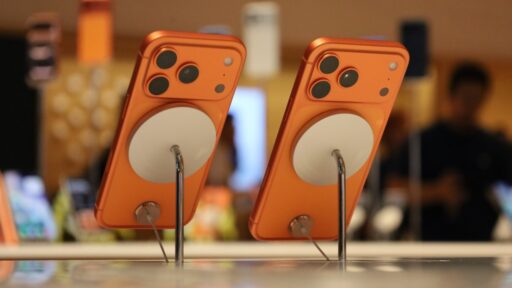

Apple’s iPhone 17 lineup introduces a new anti-reflection display technology designed to enhance visibility and reduce glare, but that same innovation makes the usual add-on accessories far more complicated. Reports indicate that applying typical tempered glass or film protectors can interfere with the coating and, over time, risk causing more damage than protection, a sharp break from earlier generations where a screen protector was a simple, almost automatic purchase.
iPhone 17’s Anti-Reflection Upgrade
The iPhone 17 family debuts a display coating that goes beyond the standard oleophobic layers used on the iPhone 16 and earlier models, with Apple targeting significantly reduced reflections for better outdoor usability. According to supply chain information highlighted in coverage of how iPhone 17 makes standard screen protectors not so useful, the new treatment is integrated across the lineup rather than reserved for a single premium variant, signaling that glare reduction is now a core part of the display’s identity rather than an incremental tweak.
Instead of adding thickness or a visible layer on top of the glass, the anti-reflection feature relies on a delicate surface treatment that is engineered into the display stack itself, something previous iPhones did not use in the same way. That approach allows Apple to promise durability and improved clarity without the bulk of an extra panel, but it also means the coating is more sensitive to what sits on top of it, which raises the stakes for owners who are used to treating screen protectors as a universal, low-risk upgrade.
How Screen Protectors Interfere
Standard tempered glass protectors are designed to adhere directly to the display glass, yet on iPhone 17 that direct contact is exactly what can disrupt the anti-reflection layer. Reporting on how most iPhone 17 screen protectors could break a new display feature explains that the adhesives and rigid structure of typical glass covers can undermine the glare-reduction effect, leaving users with more reflections than they would see on a bare iPhone 17 screen and, in some cases, even more glare than on an unprotected iPhone 16.
Film-based protectors are not a simple workaround, because their flexible materials and installation methods often introduce tiny air gaps or bubbles that scatter light and compromise the coating’s performance. Compared with an unprotected iPhone 16 display, which relied on basic scratch resistance and a conventional oleophobic layer, an iPhone 17 covered by a generic film can look hazier and less legible in bright conditions, illustrating how the new design prioritizes the native anti-reflection feature over add-ons that were once considered harmless.
Risks of Using Traditional Protectors
Beyond immediate visual trade-offs, there are longer term risks when traditional protectors interact with the iPhone 17’s specialized surface. Coverage warning that your iPhone 17 screen protector could be doing more harm than good points to the possibility of accelerated wear on the display from mismatched adhesion, where repeated pressure, micro-movements and removal or replacement of protectors can stress the coating in ways that were not a concern with iPhone 15 protectors. For owners who upgrade every few years and expect the screen to age gracefully, that kind of cumulative damage risk changes the cost-benefit calculation around using a protector at all.
There are also day-to-day usability issues that stem from pairing the new coating with accessories that were never designed for it, including increased fingerprints, smudging and haze buildup under the protector. On earlier models, those annoyances were usually minor and easy to ignore, but on iPhone 17 they can effectively cancel out the clarity gains that the anti-reflection technology is supposed to deliver, leaving users with a device that feels worse to use outdoors and in bright offices than the phones it replaces.
Alternatives for iPhone 17 Owners
For buyers who still want some form of protection, the emerging guidance is to look for Apple-approved or custom thin-film options that are explicitly tuned to preserve the anti-reflection layer rather than generic accessories marketed for multiple generations at once. Reports describing how the technology changes protector viability suggest that accessory makers will need to match specific optical and adhesive properties to the iPhone 17’s coating, a shift from the universal compatibility that defined the screen protector market for models like the iPhone 14.
In the meantime, many owners may be better served by case-only protection strategies that focus on reinforced corners, raised bezels and shock absorption without covering the display at all. That approach aligns with the iPhone 17’s evolved design priorities, treating the screen itself as a carefully calibrated component that should remain exposed for optimal performance, while relying on robust cases to handle drops and impacts that would previously have been mitigated by a sacrificial glass layer.