
Google’s latest security rollout has backfired, leaving millions of Pixel owners caught between serious bugs and the fear of staying unpatched. A small system update that should have quietly hardened Android has instead opened a new front of instability, from crashes and lag to potential exposure to active exploits. The company now faces a trust problem as users weigh whether installing the fix meant to protect them is actually the bigger risk.
At the center of the storm is a 15 MB package tied to the January security cycle, pushed to recent Pixel generations and followed by a wave of complaints about broken performance and unreliable notifications. The stakes are higher than a typical glitch, because the same update path is supposed to shield devices from a critical Android 16 flaw that security researchers say leaves millions of phones vulnerable to attacks.
How a 15 MB patch spiraled into a security headache
The immediate trigger for the current backlash is a tiny system patch that many owners saw as a routine part of the Jan maintenance window. According to timelines reconstructed by independent analysts, the problems began after a January security patch landed on Pixel devices, with From the first reports of instability closely tracking that rollout. Android Central is cited as saying that “from the timeline we have seen, it appears that Google’s January security patch could be the culprit,” a rare instance where the very update meant to close holes is suspected of creating fresh ones.
On top of that, some users received a separate Jan Google Play system update of 15 MB that was never meant for their devices at all. One account flagged by @PixelUIByGoogle on X described how this Google Play package appeared to be mis-targeted, with the device reporting a successful install even as the version number failed to change. That kind of mismatch is more than cosmetic: it undermines confidence that the right security bits are actually in place, and it complicates support because users and engineers are no longer looking at the same software state.
Pixel 9 and Pixel 10: flagship buyers as unwilling beta testers
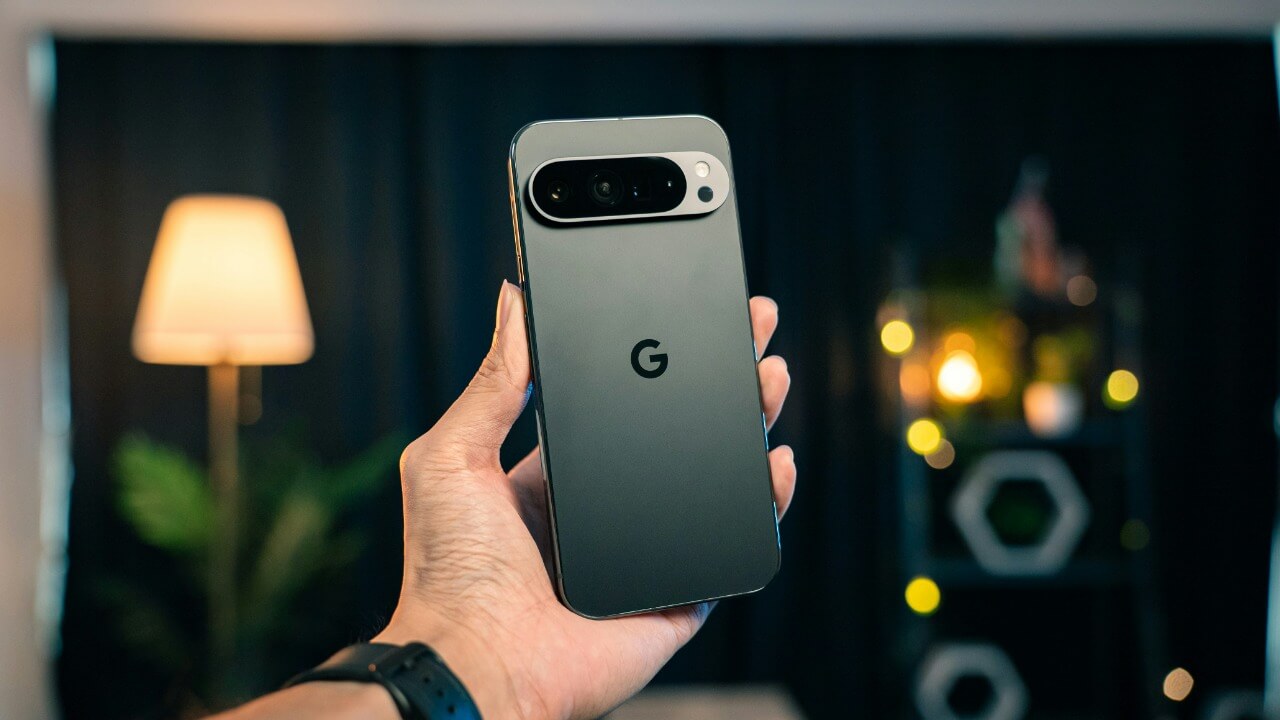
The brunt of the fallout is hitting the newest hardware. Reports highlight that Pixel users, mostly those on the Pixel 9 and 10 lines, are seeing app crashes, camera failures, notification delays and even display freezes after installing the latest Google Play system update. For phones marketed as the purest expression of Android, the idea that a core system component can randomly lock the screen or silently mute alerts cuts directly against the brand promise.
Owners of the newest generation are particularly vocal. One report notes that Google recently issued a 15 MB update for its Pixel phones and that Pixel 10 users in particular are now facing severe lag, crashes, and even screen flickering whenever the clock changes. A separate account describes how the same Jan package is being blamed for random reboots and broken multitasking, turning what should be a showcase device into something that feels like a beta build.
Android 16’s critical flaw and the pressure to patch fast
The irony is that this messy rollout is happening in the shadow of a serious underlying threat. Security researchers have warned that a critical Android 16 bug is putting millions of users at risk, with one analysis explaining that Android 16 introduced new features but also a flaw that attackers can exploit to compromise devices. The same report stresses that this is not a theoretical issue, describing how the vulnerability can be chained with other weaknesses to bypass protections that users assume are rock solid.
That urgency is magnified by the fact that Google’s Pixel and Samsung’s Galaxy devices were among the first to receive an early taste of Android 16, leaving them vulnerable to attacks if the flaw is not quickly patched. Earlier coverage of a separate emergency rollout noted that a small download size can signal a critical hot fix, with one December update described as a Dec hot fix pushed just two weeks after zero day vulnerabilities were patched and with attacks already underway. That history explains why Google is so aggressive about shipping security bits quickly, but it also shows how little margin for error there is when the same pipeline starts to misfire.
Broken trust: when “pure Android” stops feeling reliable
For years, one of the main reasons I have recommended Pixel over other Android phones is the promise of fast, clean updates. That expectation is now under strain. A detailed analysis of the current cycle argues that this Pixel situation simply should not happen, because the whole point of Google’s own hardware is to avoid the fragmentation and carrier delays that plague other Android brands. Instead, users are now being told to hold off on installing updates that were supposed to be their main security advantage.
The pattern is not isolated to one glitch. Earlier this month, a separate report on a Pixel update that went wrong noted that the fallout was even worse for Samsung, with Android partners caught in the blast radius of Google’s own software decisions. At the same time, a community thread titled “Google Play system update failed to update” shows users complaining that their Google Play system update has been failing for months, with one poster saying no one has received the promised fix. When the core security layer is both unreliable and opaque, the marketing line about “pure Android” starts to ring hollow.
What is actually at risk on affected phones
The practical risk for users is twofold. First, instability itself can be a security problem: if notifications are delayed or muted, people may miss banking alerts, two factor prompts or warnings from security apps. One report on the Android 16 notification bug notes that Google has acknowledged that alerts on Pixel can be muted and has vowed a quick fix, with Insiders familiar with the matter saying it will arrive via a Google Play system update or a dedicated bug fix release. Second, if users delay or skip patches because they fear new bugs, they remain exposed to the underlying Android 16 flaw that security researchers say leaves millions of devices open to attack.
There is also a more subtle risk around data integrity and ecosystem trust. A separate incident in the local search world shows how a backend glitch can have real world consequences: one analysis describes how a bug caused reviews to vanish from local listings, before noting that “But do not panic just yet” because Google (Google Search) acknowledged the issue and said a fix was in progress. On phones, a similar pattern is playing out: users are being asked to trust that invisible server side switches and small patches will quietly repair the damage, even as their daily experience tells them something is off.